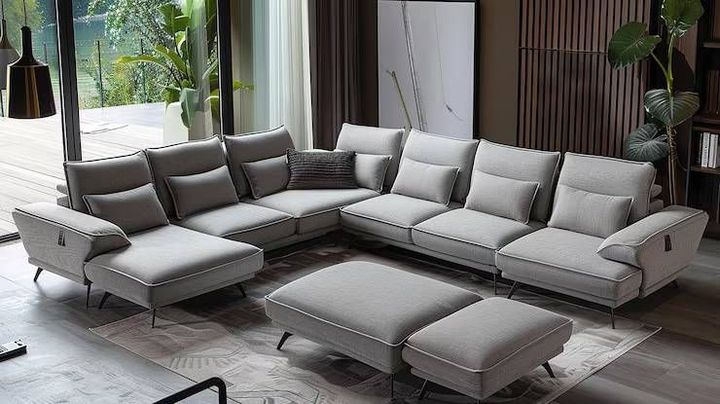
Convertible Sofa Explained: Types, Designs, Features, Materials, Uses and Key Considerations
A convertible sofa is a type of furniture designed to perform more than one function, usually changing from a sofa into a bed, lounger, or another seating arrangement. Convertible sofa designs have developed alongside changing home layouts, particularly as apartments and multipurpose rooms have become more common. They combine seating with another function through folding frames, sliding sections, reclining mechanisms, removable components, or modular construction.
What Is a Convertible Sofa?
A convertible sofa is furniture that can be changed from one configuration to another. The most familiar example is a sofa bed, which can provide seating during the day and a sleeping surface when converted. Other designs may become chaise lounges, reclining seats, floor-level sleeping platforms, or sectional arrangements.
The basic concept is not new. Furniture that could change shape or serve several purposes has existed for centuries, but modern manufacturing has made these mechanisms more compact and easier to integrate into residential furniture.
Convertible sofas are now available in different sizes, shapes, materials, and operating mechanisms. Their design can range from a simple fold-down frame to a modular arrangement made from several independent sections.
Why Convertible Designs Developed
The main idea behind convertible furniture is efficient use of space. A conventional sofa and a separate bed require dedicated floor areas, while a convertible model can combine several functions within one footprint.
This approach is particularly relevant in apartments, studio homes, guest rooms, home offices, children's rooms, and other spaces that need to serve multiple purposes.
Importance
Space and Room Flexibility
A convertible sofa can allow a single room to function as a living area, guest room, reading space, or sleeping area. This can be useful where the available floor area needs to accommodate several activities.
The transformation mechanism also affects how much space is required. A pull-out design needs additional clearance in front, while a fold-down model may require a different movement area.
Everyday Practical Considerations
Convertible furniture involves more moving components than a fixed sofa. Hinges, tracks, latches, frames, and folding sections can influence how the furniture operates and how much maintenance it requires.
Important considerations include:
- Available room dimensions
- Extended dimensions after conversion
- Weight and frame construction
- Cushion thickness and support
- Mechanism type
- Fabric or upholstery material
- Ease of changing configurations
- Storage requirements
- Cleaning and maintenance needs
The sleeping surface is another important consideration when the furniture is regularly used as a bed. Surface width, support structure, seams, and the transition between sofa and bed positions can affect the overall experience.
Who May Use Convertible Sofas?
Convertible sofas can be relevant to several groups. People living in compact apartments may use them to combine seating and sleeping functions. Guest rooms can use them when a dedicated bed is not required every day.
They can also be useful in home offices where the room occasionally needs to accommodate overnight guests. In larger homes, they may function as flexible furniture in family rooms, recreation areas, or secondary bedrooms.
Types and Designs
Sofa Beds
Sofa beds are among the most recognizable convertible sofa designs. Depending on the mechanism, the seating cushions may fold down, slide forward, or move with an internal frame to create a sleeping surface.
The mechanism determines the conversion process, available sleeping area, and amount of floor clearance needed.
Futon-Style Convertible Sofas
Futon-style models generally use a relatively simple folding structure. The back section can move into a flatter position, creating a larger horizontal surface.
Their construction can be comparatively straightforward, although comfort and support depend on the frame, padding, mattress material, and surface design.
Pull-Out Convertible Sofas
Pull-out designs contain a sleeping platform that extends from beneath the seating area. When retracted, the platform remains concealed inside the sofa.
This configuration can provide a relatively distinct sleeping surface but requires enough open space in front of the sofa for the platform to extend fully.
Modular Convertible Sofas
Modular models use separate sections that can be rearranged into different layouts. Some configurations can form loungers, corner seating, or larger sleeping surfaces.
Modular construction can also make it easier to adapt furniture to changing room layouts. However, the number of separate components can affect assembly, movement, and storage.
Reclining and Chaise Designs
Some convertible sofas use reclining backrests or adjustable sections rather than creating a complete bed. These models can change the posture and arrangement of the furniture while maintaining a sofa-oriented configuration.
They may include adjustable headrests, foot sections, movable armrests, or chaise components.
Features and Materials
Frame Materials
The frame provides the structural foundation. Common materials include hardwood, engineered wood, plywood, and metal.
Metal frames are frequently used in folding and pull-out mechanisms because they can accommodate moving parts. Wooden frames can provide a traditional construction approach, while engineered materials may be used in different combinations to control weight and structural requirements.
Cushion and Filling Materials
Cushions can contain polyurethane foam, memory foam, polyester fibers, latex-based materials, or combinations of different fillings.
Foam density influences firmness and resilience, while layered construction can combine different characteristics. Cushion construction should be considered together with the underlying frame because the two components work together to support the user.
Upholstery Materials
Common upholstery choices include cotton blends, polyester, microfiber, linen blends, leather, and synthetic leather.
Each material has different characteristics related to texture, cleaning, breathability, appearance, and resistance to everyday wear. Removable covers can make routine cleaning more manageable when the design permits their removal.
Mechanisms and Hardware
Convertible sofas can use hinges, tracks, springs, locking components, rollers, gas-assisted mechanisms, or other hardware. The mechanism should move smoothly without unnecessary resistance or instability.
A mechanism that is difficult to operate can make regular conversion inconvenient. Moving parts should also be kept clear of objects that could interfere with folding or sliding.
Common Convertible Sofa Configurations
| Configuration | Main Function | Typical Mechanism | Space Consideration |
|---|---|---|---|
| Sofa bed | Seating and sleeping | Fold or pull-out | Requires open conversion area |
| Futon style | Seating and flat sleeping | Folding backrest | Requires front clearance |
| Modular | Multiple seating layouts | Section rearrangement | Depends on configuration |
| Chaise convertible | Seating and lounging | Adjustable sections | Requires layout flexibility |
| Reclining sofa | Seating and reclining | Mechanical or manual adjustment | Needs reclining clearance |
Recent Updates
From 2024 through 2026, furniture discussions have increasingly focused on multifunctional and adaptable interiors. Reports on home design have highlighted modular seating, sofa beds, storage furniture, and other pieces that allow one room to perform several functions.
Compact living has also influenced sofa design. Recent furniture trends have included modular sections, integrated storage, washable or removable covers, flexible layouts, and designs intended to work within changing room arrangements. These developments reflect broader interest in furniture that can adapt to multipurpose spaces rather than having only one fixed configuration.
Material selection has also received attention, including the use of natural-looking fabrics, recyclable materials, engineered wood, metal structures, and combinations of materials. The specific environmental characteristics of a product depend on its materials, manufacturing methods, expected lifespan, and disposal process.
Laws or Policies
Furniture Rules in India
In India, furniture manufacturing and product compliance can be affected by standards administered through the Bureau of Indian Standards (BIS). BIS explains that some products become subject to mandatory Indian Standards through government Quality Control Orders, while certification remains voluntary for products that are not covered by such requirements.
The Furniture (Quality Control) Order, 2025 established a regulatory framework for specified furniture products. A 2026 amendment added provisions concerning certain imported goods used for research and development, previously manufactured or imported stock, and materials or components imported for furniture intended for export.
These requirements do not automatically mean that every convertible sofa is subject to identical certification requirements. The applicable rules depend on the product category, relevant Indian Standard, manufacturing circumstances, and whether the particular item falls within the scope of the applicable Quality Control Order.
Consumer Protection
The Consumer Protection Act, 2019 and related rules provide a broader framework for consumer rights in India. The Department of Consumer Affairs lists the Consumer Protection (E-Commerce) Rules, 2020 and other related rules and regulations covering consumer transactions and digital commerce.
For furniture purchased through online platforms, product descriptions, material information, dimensions, terms relating to returns, and other stated characteristics can therefore be relevant to consumer transactions. Readers should consult the current official rules for circumstances involving a specific dispute.
Tools and Resources
Measuring Tools
A measuring tape is useful for checking the room, doorway, staircase, lift, and intended furniture position. Measurements should account for both the sofa configuration and the fully converted configuration.
Room Planning Tools
Digital room-planning applications can help visualize furniture placement before a layout is finalized. They can be useful for checking walking paths, clearance around doors, and the amount of space required when the sofa is converted.
Product Specifications
Manufacturer manuals and specification sheets can provide information about dimensions, frame materials, mechanism operation, maximum supported loads, cleaning instructions, and assembly requirements.
BIS Standards Resources
For Indian furniture-related standards, the BIS “Know Your Standard” portal allows users to search Indian Standards by product name or standard number and view associated information.
FAQs
What is a convertible sofa?
A convertible sofa is furniture designed to change from one configuration to another. A common example changes from a sofa into a bed, while other designs can create loungers, chaise arrangements, or modular seating layouts.
What types of convertible sofa designs are available?
Common types include sofa beds, futon-style models, pull-out sofas, modular convertible sofas, reclining designs, and chaise-based configurations. Each type uses a different mechanism and requires different amounts of surrounding space.
Which materials are used in convertible sofas?
Convertible sofas commonly use wood, engineered wood, plywood, or metal for structural components. Upholstery can include polyester, cotton blends, linen blends, microfiber, leather, or synthetic leather, while cushions may contain foam, fiber, or other padding materials.
Are convertible sofas suitable for small rooms?
Convertible sofas can be useful in smaller rooms because one piece of furniture can perform multiple functions. However, the fully extended dimensions and required movement area should be checked before placement.
What should be checked before choosing a convertible sofa?
Important factors include room dimensions, conversion mechanism, frame construction, cushion materials, upholstery, sleeping or seating dimensions, clearance requirements, cleaning instructions, and applicable product standards.
Conclusion
A convertible sofa combines seating with one or more additional functions through folding, sliding, reclining, or modular mechanisms. Its usefulness depends on factors such as room dimensions, construction, materials, mechanism design, and intended frequency of conversion. Recent furniture trends have emphasized multifunctional and adaptable layouts, particularly for compact and multipurpose living spaces. In India, furniture products may also be affected by BIS standards and applicable Quality Control Orders, depending on their specific classification.