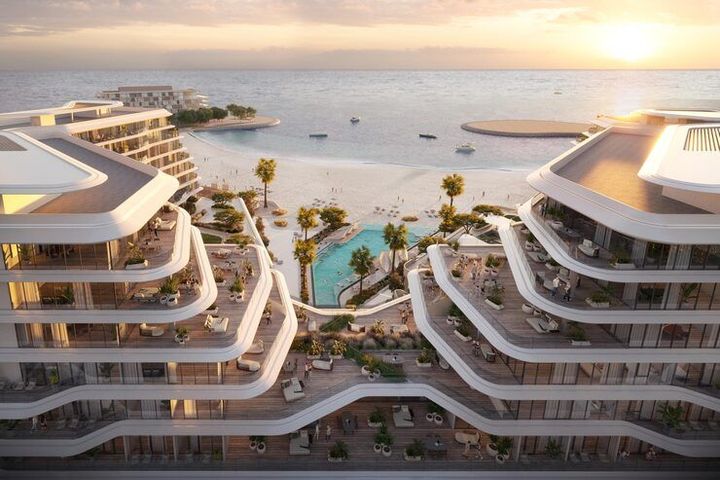
Dubai Luxury Hotels Information With 5-Star Resorts and Modern Hospitality Insights
Dubai luxury hotels have become an important part of the city’s international tourism landscape, combining high-rise architecture, resort environments, contemporary design, dining facilities, wellness spaces, and technology-driven guest experiences.
Dubai luxury hotels range from large urban properties near business districts and shopping areas to beachfront resorts designed around leisure and relaxation. Within this environment, 5-star resorts represent a distinct accommodation category shaped by formal hotel classification standards, extensive facilities, location, room design, and operational requirements. Understanding how these properties function helps travelers compare accommodation types, understand hotel categories, and plan stays according to their preferences.
Context
Development of Dubai Luxury Hotels
Dubai’s hotel industry developed alongside the city’s transformation into an international destination for tourism, business, events, and leisure travel. Its geographic position, modern transportation infrastructure, major attractions, and expanding business districts created demand for different forms of accommodation.
Luxury hotels became particularly visible as large-scale developments introduced high-rise towers, beachfront resorts, branded residences, conference facilities, restaurants, swimming pools, wellness areas, and family-oriented spaces. Over time, hotel design increasingly combined accommodation with entertainment, dining, recreation, and business facilities within the same property.
Understanding 5-Star Resorts
A 5-star hotel classification generally indicates that a property meets a defined set of requirements covering accommodation, facilities, operational procedures, cleanliness, accessibility, guest areas, and other characteristics. The exact criteria depend on the local classification framework.
In Dubai, hotel properties are subject to classification and oversight by the Dubai Department of Economy and Tourism. Classification considers factors such as room characteristics, hotel facilities, property size, location, and other established criteria.
Luxury accommodation can therefore include several different environments:
- City hotels located near commercial and shopping districts
- Beach resorts designed around leisure and coastal access
- Integrated resorts combining accommodation with recreation
- Business-oriented luxury properties with meeting facilities
- Family resorts with larger rooms and recreational areas
- Wellness-focused properties with spa, fitness, and relaxation facilities
Common Features
Dubai luxury hotels may include a combination of:
- Spacious guest rooms and suites
- Multiple dining venues
- Swimming pools and leisure areas
- Fitness and wellness facilities
- Meeting and event spaces
- Concierge and guest-assistance functions
- Digital check-in and room-management technology
- Beach access at selected resort properties
- Family accommodation options
- Business facilities for corporate travelers
The presence and scale of these features vary between properties, even within the same star category.
Importance
Why Luxury Accommodation Matters
Dubai attracts travelers with different purposes, including holidays, business trips, conferences, family vacations, cultural exploration, and extended stays. Hotel selection can influence how conveniently travelers access attractions, transportation, beaches, business districts, and entertainment areas.
For everyday travelers, understanding Dubai luxury hotels can help clarify the difference between a city hotel and a resort. A property located in a central urban district may focus on accessibility to commercial areas and attractions, while a beachfront resort may place greater emphasis on leisure facilities and outdoor spaces.
Factors That Influence Hotel Selection
Travelers commonly examine several practical factors before selecting accommodation:
| Factor | What It Can Indicate |
|---|---|
| Location | Access to attractions, business districts, beaches, and transport |
| Star classification | Formal category within the local hotel classification system |
| Room type | Space, occupancy, views, and available facilities |
| Resort facilities | Pools, recreation, wellness, dining, and leisure areas |
| Dining options | Variety of restaurants and meal arrangements |
| Family facilities | Child-friendly rooms, recreation, and family spaces |
| Business facilities | Meeting rooms, work areas, and conference infrastructure |
| Technology | Digital check-in, mobile access, smart-room functions, and connectivity |
| Accessibility | Features supporting travelers with different mobility requirements |
| Room rate | Financial planning for different travel periods and room categories |
Urban Hotels and Beach Resorts
One of the most important distinctions is between urban luxury hotels and resort properties. Urban hotels are often positioned around business districts, shopping destinations, major roads, and transport connections.
Beach resorts generally provide a different environment, with greater emphasis on outdoor areas, pools, beaches, recreation, and relaxation. Neither format is identical, and the appropriate choice depends on the purpose and structure of a traveler’s trip.
Recent Updates
Growth in Hospitality Infrastructure
Recent years have seen continued expansion and diversification across Dubai’s hospitality landscape. New hotel developments have introduced additional room categories, resort concepts, branded accommodation, and mixed-use destinations.
The broader trend has also included renovation of established properties. Renovation projects can involve guest rooms, restaurants, pool areas, public spaces, technology systems, and energy-management infrastructure.
Technology in Hotels
Technology has become increasingly integrated into modern hospitality operations. Digital registration, mobile communication, electronic room access, smart-room controls, online reservations, and automated information systems are increasingly common across contemporary properties.
Some hotels are also experimenting with contactless processes and integrated digital platforms. These systems can reduce the amount of manual interaction required for routine activities while giving guests greater control over certain aspects of their stay.
Sustainability and Resource Management
Environmental considerations are becoming more visible within modern hotel development. Properties may incorporate energy-efficient lighting, water-management systems, building automation, waste-reduction processes, and environmentally conscious construction materials.
Large resorts can require substantial electricity and water resources because of their room inventory, pools, landscaping, kitchens, and other facilities. As a result, resource monitoring and efficient building systems have become relevant considerations in contemporary hotel planning.
Changing Guest Preferences
Travelers increasingly examine more than room appearance when comparing luxury accommodation. Factors such as location, technology, wellness facilities, dining variety, family suitability, accessibility, sustainability practices, and room configuration can influence accommodation decisions.
This broader approach reflects the development of hotels from simple places to sleep into more integrated environments combining accommodation, recreation, dining, business, and leisure activities.
Laws or Policies
Hotel Classification
Dubai has a formal regulatory framework for hotel establishments. Hotels must obtain the appropriate approvals and classification through the relevant tourism authority before operating.
Hotel classification is based on established criteria rather than a property's marketing description alone. The framework covers different elements of hotel development and operation, allowing accommodation properties to be placed into recognized categories.
Licensing and Inspection
Hotel properties are subject to licensing requirements and inspections. Classification can involve reviewing property characteristics, facilities, operational requirements, and other criteria established by the responsible authority.
Changes to an existing hotel's classification can also require a formal application and inspection process. This means that a property's official classification can be distinguished from informal descriptions used in advertisements or travel discussions.
Tourism-Related Charges
Dubai also applies a Tourism Dirham fee to qualifying hotel stays. The fee is associated with occupied hotel room nights and is calculated according to applicable classification rules.
Travelers should therefore distinguish between the room rate and additional government-related or property-related charges that may appear during the reservation or payment process. The exact amount and applicable rules depend on the accommodation category and current regulations.
Holiday Homes and Hotels
Traditional hotels and holiday homes are governed through different regulatory pathways. Holiday-home accommodation must meet separate registration and approval requirements, while hotels operate through the hotel classification framework.
This distinction is useful when comparing luxury hotels with furnished apartments, villas, or other short-term accommodation formats.
Tools and Resources
Hotel Comparison Platforms
Travelers can use hotel comparison platforms to examine room categories, locations, facilities, guest policies, availability, and displayed rates. Comparing several properties can provide a clearer picture of differences between urban hotels and resorts.
Maps and Location Tools
Digital mapping platforms are useful for understanding distances between hotels and airports, beaches, shopping districts, attractions, business areas, and public transportation. Travel time can be more relevant than straight-line distance in a large urban environment.
Hotel Classification Resources
Official tourism-authority classification information can help readers understand the regulatory meaning of hotel categories. These resources are particularly useful when researching the difference between 4-star, 5-star, luxury, resort, and hotel-apartment classifications.
Travel Planning Templates
A simple travel planning template can help organize:
- Hotel location
- Room category
- Number of travelers
- Stay duration
- Check-in and check-out requirements
- Dining arrangements
- Transportation needs
- Resort facilities
- Accessibility requirements
- Additional fees and taxes
Using a structured comparison can make it easier to identify differences between properties without relying only on photographs or promotional descriptions.
FAQs
What are Dubai luxury hotels?
Dubai luxury hotels are high-end accommodation properties operating within the city’s regulated hotel classification framework. They can include urban hotels, beachfront resorts, business-oriented properties, and integrated resort developments.
What distinguishes 5-star resorts from other hotels?
5-star resorts generally operate within a higher hotel classification category and may provide a broader combination of rooms, dining areas, recreation, wellness facilities, pools, event spaces, and other amenities. Exact requirements depend on the applicable classification standards.
Are Dubai luxury hotels suitable for families?
Many Dubai luxury hotels include family rooms, connecting rooms, swimming pools, recreational areas, and dining facilities suitable for different age groups. However, facilities vary by property, so room configuration and family policies should be checked before planning a stay.
What should travelers consider when comparing Dubai luxury hotels?
Important factors include location, room type, hotel classification, resort facilities, dining arrangements, accessibility, transportation connections, additional charges, and the purpose of the trip.
What is the Tourism Dirham in Dubai hotels?
The Tourism Dirham is a tourism-related fee applied to qualifying hotel stays. It is calculated according to applicable rules and hotel classification, with the fee generally associated with occupied room nights.
Conclusion
Dubai luxury hotels form a diverse part of the city’s tourism and hospitality landscape, ranging from urban properties to large beachfront resorts. 5-star resorts operate within a formal classification framework covering facilities, accommodation characteristics, and operational requirements. Recent developments have emphasized digital technology, renovated facilities, sustainability, and changing traveler preferences. Understanding hotel classification, location, facilities, additional charges, and applicable policies provides useful context for evaluating accommodation options in Dubai.