HPV Vaccine: A Complete Guide to HPV Vaccination and Cancer Prevention
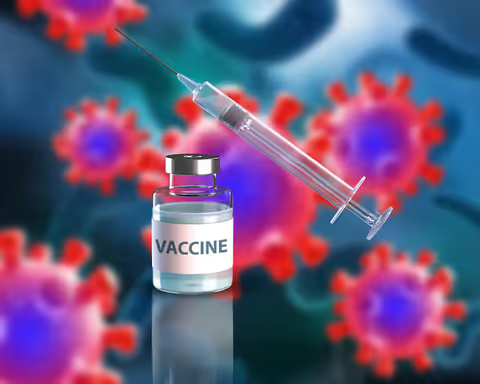
The HPV vaccine is an immunization designed to protect against infection with certain types of human papillomavirus (HPV). HPV is a common virus, and persistent infection with high-risk types can contribute to cervical cancer and several other cancers. Vaccination is intended to prevent new HPV infections rather than treat an existing infection.
Why Is HPV Vaccination Important?
HPV vaccination is an important part of cancer prevention because some HPV types are associated with cervical, anal, penile, vulvar, vaginal, and certain mouth and throat cancers. The World Health Organization states that virtually all cervical cancer cases are linked to genital HPV infection.
Vaccination generally provides the greatest preventive benefit when administered before exposure to HPV. It can therefore be an important component of preventive healthcare for adolescents and young adults.
How Does the HPV Vaccine Work?
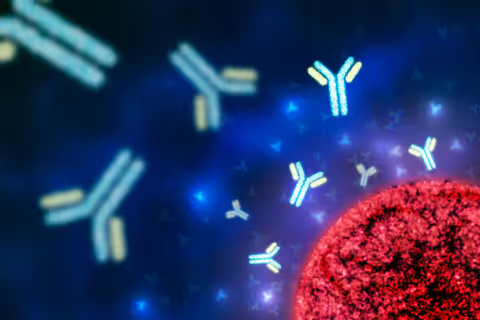
The HPV vaccine stimulates the immune system to develop protection against specific HPV types. WHO explains that HPV vaccines use virus-like particles and do not contain live virus or viral DNA, so they cannot cause an HPV infection.
The vaccine is preventive rather than therapeutic. It does not eliminate an HPV infection that is already present or directly treat HPV-related disease.
HPV Vaccine Schedule
Vaccination During Adolescence
Vaccination schedules depend on the person's age when the series begins and on applicable national recommendations. In the United States, CDC recommends routine HPV vaccination at ages 11–12, with vaccination able to begin at age 9. People who start before their 15th birthday generally receive two doses, while those beginning at ages 15–26 generally receive three doses.
Vaccination for Adults
For adults, recommendations vary by country and individual circumstances. CDC recommends catch-up vaccination through age 26 for people who were not adequately vaccinated earlier. For some adults aged 27–45, vaccination can be considered through shared decision-making with a healthcare professional.
Because national immunization programs differ, people should follow the vaccination guidance applicable to their country and discuss individual circumstances with a qualified healthcare professional.
HPV Vaccine Safety
HPV vaccines have been studied extensively, and WHO reports that available HPV vaccines have demonstrated favorable safety profiles. Like other vaccines, HPV vaccination can cause temporary reactions, and individual considerations such as previous severe allergic reactions should be discussed with a healthcare professional.
Pregnancy is another situation that requires specific medical guidance. CDC does not recommend HPV vaccination during pregnancy; vaccination can be continued after pregnancy.
HPV Vaccine and Cervical Cancer Prevention
HPV vaccination and cervical cancer screening are complementary prevention measures. Vaccination helps prevent infections that can lead to cancer, while screening can identify cervical cell changes before they develop into invasive cancer.
People who receive HPV vaccination should still follow the cervical cancer screening recommendations applicable to their age and country because vaccination does not protect against every possible cause of cervical cancer.
Key Facts About HPV Vaccination
HPV vaccination is primarily a preventive health measure. It is most effective before exposure to HPV, and the appropriate number of doses depends on age, immune status, and applicable vaccination guidelines.
WHO reported that HPV vaccines were included in national immunization programs in 162 countries in 2025, demonstrating their increasing role in global cancer prevention programs.
Conclusion
The HPV vaccine is an important tool for preventing infections associated with several cancers, particularly cervical cancer. Understanding the HPV vaccine schedule, vaccine safety, eligibility, and the continuing importance of cervical cancer screening can help people make informed preventive healthcare decisions. Vaccination recommendations can differ by country, age, and individual health circumstances, so current national guidance and professional medical advice should be followed.
Note: This article is for general educational information and does not replace advice from a qualified healthcare professional.