Tourism Education With AI Explained: Technologies, Learning Methods, Applications and Benefits
Tourism education with AI combines traditional tourism studies with artificial intelligence technologies to help learners understand travel, destinations, hospitality, tourism management, and visitor experiences. It includes digital learning platforms, virtual simulations, intelligent tutoring systems, language tools, and data analysis applications. These technologies support the study of tourism by making information easier to organize, explore, and practice in different learning environments.
Context
Tourism education with AI combines traditional tourism studies with artificial intelligence technologies to help learners understand travel, destinations, hospitality, tourism management, and visitor experiences. It includes digital learning platforms, virtual simulations, intelligent tutoring systems, language tools, and data analysis applications. These technologies support the study of tourism by making information easier to organize, explore, and practice in different learning environments.
Tourism education developed through schools, colleges, vocational institutes, and professional training programs that teach people about destinations, cultural heritage, hospitality operations, transportation, and travel planning. As digital technology became more common, online courses, interactive maps, virtual tours, and learning management systems expanded the ways tourism subjects could be taught. AI adds capabilities such as conversational practice, personalized exercises, automated feedback, and the analysis of tourism-related information.
Understanding AI in Tourism Education
Artificial intelligence refers to computer systems that perform tasks associated with human abilities, such as recognizing patterns, processing language, generating text, and interpreting data. In tourism education, these systems can support activities such as explaining destination characteristics, practicing conversations with international visitors, preparing sample itineraries, and examining visitor trends.
For example, a student studying hospitality management might use an AI learning assistant to practice responding to guest questions. Another student could analyze a sample dataset about seasonal visitor numbers and learn how weather, transport access, and local events may influence travel patterns. These exercises provide opportunities to apply concepts, although their results still require careful review.
Main AI Technologies Used
Several technologies have applications in tourism education:
Generative AI: Creates draft explanations, practice questions, sample itineraries, and educational scenarios.
Natural language processing: Helps computers interpret and generate human language for communication practice and learning support.
Machine learning: Identifies patterns in tourism datasets, such as changes in visitor demand or travel preferences.
Virtual reality and augmented reality: Provide simulated destination visits, cultural experiences, and interactive learning activities.
Intelligent tutoring systems: Present exercises, explanations, or feedback according to a learner's progress and responses.
These technologies serve different purposes. A virtual destination tour provides visual exploration, while a language model may help explain cultural etiquette or simulate a conversation. Neither approach replaces direct observation, reliable reference materials, or practical experience.
Importance
Tourism education with AI matters because the tourism industry involves changing travel patterns, international communication, digital booking systems, cultural understanding, and varied visitor expectations. Students and educators need learning methods that help them understand these connected areas while developing practical skills.
AI-supported learning can make it easier to practice situations that may be difficult to recreate in a classroom. Learners can examine hypothetical guest concerns, compare destination profiles, rehearse multilingual conversations, and explore tourism data without needing to visit every location being studied.
Who Benefits from AI-Based Tourism Learning?
Different groups may use these educational approaches for different purposes. Students can practice course concepts, teachers can prepare exercises, tourism researchers can examine datasets, and people already working in tourism can update their knowledge of digital tools.
AI can also support learners who need additional explanations or alternative ways to study. For instance, a student may ask for a complex tourism concept to be explained in simpler language or request a sample conversation in another language. The quality of the result depends on the system, the instructions, and the accuracy of the information provided.
Educational Challenges AI Can Address
Tourism education often involves large amounts of information about geography, history, transportation, hospitality practices, and destination management. AI tools can help organize these subjects into summaries, quizzes, case studies, and practice activities.
However, important challenges remain. AI-generated information can include factual errors, outdated travel requirements, cultural stereotypes, or invented references. Learners also need to develop independent research, communication, ethical judgment, and problem-solving skills instead of relying entirely on automated answers.
Recent Updates
Between 2024 and 2026, generative AI became a more visible part of education discussions, including tourism and hospitality training. Educational institutions have been exploring conversational AI, AI-assisted content creation, adaptive learning activities, and simulations that help learners examine real-world situations. Adoption varies considerably across institutions, countries, budgets, and teaching policies.
Generative AI and Interactive Learning
Modern language models can generate practice questions, explain terminology, create hypothetical guest scenarios, and help students organize research notes. In a tourism course, an instructor might ask learners to compare two destinations using factors such as climate, cultural heritage, transportation, accessibility, and seasonal travel patterns.
Interactive AI tools can also simulate conversations between visitors and tourism personnel. Students may practice explaining local customs, answering questions about transport, or responding to complaints. Such exercises can improve preparation, but the generated dialogue may not reflect every cultural context or actual workplace procedure.
Virtual Destinations and Data-Based Learning
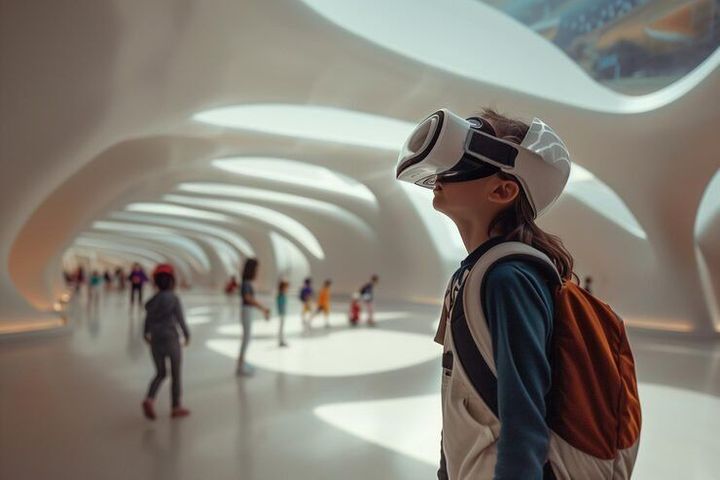
Virtual reality and digital destination tours allow learners to examine museums, historic sites, landscapes, and tourism facilities through digital environments. When combined with AI, these experiences may include guided explanations, interactive questions, or learning activities based on the locations being explored.
Data analysis is another developing area. Students can work with sample information about visitor arrivals, accommodation occupancy, travel seasons, or destination capacity to understand tourism planning. Conclusions should account for the dataset's origin, coverage, limitations, and possible biases.
Responsible Use in Education
Institutions are increasingly considering how AI should be used in assignments, assessments, and research. Some establish rules about disclosure, acceptable assistance, original work, and the protection of student information. These rules differ by institution and are not uniform across the tourism education sector.
Laws or Policies
AI in tourism education is influenced by education regulations, privacy and data-protection requirements, copyright rules, accessibility considerations, and institutional academic policies. The exact legal requirements depend on the country, the organization using the technology, and the type of data or educational activity involved.
AI Education Policy in India
India's National Education Policy 2020 emphasizes technology integration, multidisciplinary education, and the development of relevant skills. It provides a broad policy framework for educational development, although it does not establish one universal set of rules for every AI tool used in tourism courses.
Government and educational institutions may introduce additional digital learning initiatives, curriculum guidance, and AI-related policies. Teachers and learners should distinguish national policy directions from binding regulations and institution-specific requirements.
Privacy, Copyright, and Academic Integrity
AI learning platforms may process student names, prompts, coursework, voice recordings, or other personal information. India's Digital Personal Data Protection Act, 2023, and the associated rules and implementation arrangements form part of the country's data-protection framework. Applicable obligations depend on the provisions in force and the circumstances of the data processing.
Copyright may also matter when AI tools generate or summarize material based on existing publications, photographs, maps, or teaching resources. Students should follow their institution's citation rules, respect relevant usage rights, and avoid presenting generated material as independently verified research.
Academic integrity remains important when using AI for assignments. Institutions may permit some uses, restrict others, or require disclosure. Students should follow the applicable course instructions and verify factual claims before submitting their work.
Tools and Resources
A range of digital tools can support tourism education with AI. Their capabilities, data practices, accessibility, and suitability for formal education vary, so selection should depend on the learning objective.
AI Learning and Research Platforms
Conversational AI tools, including ChatGPT and Google Gemini, can help learners explore tourism concepts, generate practice questions, outline research topics, and rehearse hypothetical guest interactions. They can also help explain terms related to destination management, sustainable tourism, hospitality operations, and visitor behavior.
These tools should be treated as learning aids rather than authoritative sources. Information about visa rules, safety requirements, historical events, local customs, and travel regulations should be checked against appropriate official or academic references.
Digital Courses and Destination Resources
Learning management systems such as Moodle and Google Classroom help educators organize course materials, assignments, quizzes, and discussions. Their role is to manage learning activities; AI capabilities depend on the tools and integrations an institution chooses.
Google Arts & Culture and digital museum collections can help students explore cultural heritage, artworks, and historic places. Official tourism department websites and national statistical publications can provide destination information and tourism data for research exercises.
Comparing AI Learning Methods
| Learning method | Tourism education application | Main limitation |
|---|---|---|
| Conversational AI | Practice guest interactions and explain concepts | Responses may contain errors |
| AI-generated quizzes | Review terminology and course knowledge | Questions need checking |
| Virtual destination tours | Explore places and cultural heritage | Digital views cannot reproduce every real experience |
| Tourism data analysis | Examine visitor patterns and seasonal trends | Results depend on data quality |
| Language tools | Practice multilingual communication | Translations may miss cultural nuance |
| Learning management systems | Organize lessons and assessments | Features depend on institutional setup |
A Practical Learning Process
An AI-supported tourism lesson can begin with a clear learning objective, such as understanding sustainable destination management. Learners can review reliable course materials, use AI to generate questions or a hypothetical case study, and then compare the generated content with authoritative references.
The final stage involves explaining the findings in the learner's own words and identifying uncertainty or missing evidence. This process keeps the focus on understanding rather than simply producing text.
FAQs
What is tourism education with AI?
Tourism education with AI uses artificial intelligence tools to support the study of travel, hospitality, destination management, visitor behavior, and tourism operations. Examples include conversational practice, interactive learning activities, and tourism data analysis.
How is AI used in tourism education?
AI can generate practice questions, explain tourism concepts, simulate guest interactions, support language learning, and help analyze tourism datasets. Educators should review generated content for accuracy and relevance.
What are the benefits of AI in tourism learning?
AI can support flexible practice, provide alternative explanations, and help learners explore hypothetical tourism situations. Its usefulness depends on the quality of the information, the teaching approach, and the learner's ability to evaluate results.
Which AI tools are useful for tourism students?
Conversational AI platforms, language tools, virtual destination resources, data analysis applications, and learning management systems can support different tasks. The appropriate tool depends on the subject, privacy requirements, and institutional policies.
What challenges does AI create in tourism education?
Challenges include inaccurate information, privacy concerns, copyright questions, biased outputs, and excessive dependence on automated assistance. Verification, academic integrity, and human judgment remain important parts of the learning process.
Conclusion
Tourism education with AI combines established tourism subjects with digital tools for practice, research, communication, and destination exploration. These technologies can support learners and educators, but their results depend on data quality, appropriate teaching methods, and careful verification. Education policies, privacy requirements, copyright rules, and academic integrity shape how AI tools are used. A balanced approach keeps human understanding, cultural awareness, and practical knowledge central to tourism learning.