AI Avatar Creation Guide: Types, Customization Options, Applications and Key Features
An AI avatar is a digitally generated character or representation created using artificial intelligence. It can look like a real person, an animated character, or a virtual human designed for digital communication. AI avatar creation combines technologies such as machine learning, computer vision, natural language processing, and computer-generated imagery to produce realistic or stylized digital identities.
Context and Introduction
An AI avatar is a digitally generated character or representation created using artificial intelligence. It can look like a real person, an animated character, or a virtual human designed for digital communication. AI avatar creation combines technologies such as machine learning, computer vision, natural language processing, and computer-generated imagery to produce realistic or stylized digital identities.
The development of AI avatars is connected to advances in computer graphics, animation, and virtual communication. Earlier digital characters generally required manual illustration, modeling, and animation. Modern AI technologies can automate several parts of this process, allowing users to create characters from text descriptions, photographs, voice recordings, or other digital inputs.
AI avatars are now used in education, entertainment, marketing, gaming, customer communication, and virtual environments. Their appearance and behavior depend on the technology used to create them and the purpose for which they are designed.
Understanding AI Avatar Creation
AI avatar creation is the process of developing a digital character using artificial intelligence tools and technologies. The process may involve generating facial features, selecting visual styles, creating expressions, producing speech, and animating movements.
Some avatars are static images, while others can move, speak, respond to questions, or interact with users. The level of functionality depends on the underlying software and available features.
How AI Avatar Technology Works
AI avatar systems use different technologies to transform user inputs into digital representations.
Image generation: Creates avatar appearances using written descriptions, photographs, or visual references.
Machine learning: Helps systems recognize patterns and generate visual characteristics.
Computer vision: Analyzes facial features, expressions, and movements.
Natural language processing: Allows interactive avatars to understand and respond to written or spoken language.
Speech synthesis: Converts written text into artificial speech.
Animation technology: Creates facial expressions, gestures, and body movements.
These technologies may operate together or independently. For example, an image-generation tool may create a static character, while a separate animation system adds movement and speech.
The AI Avatar Creation Process
The creation process generally follows several stages:
Input selection: Users provide a text description, photograph, or other reference material.
Appearance generation: The system creates a digital character based on the selected input.
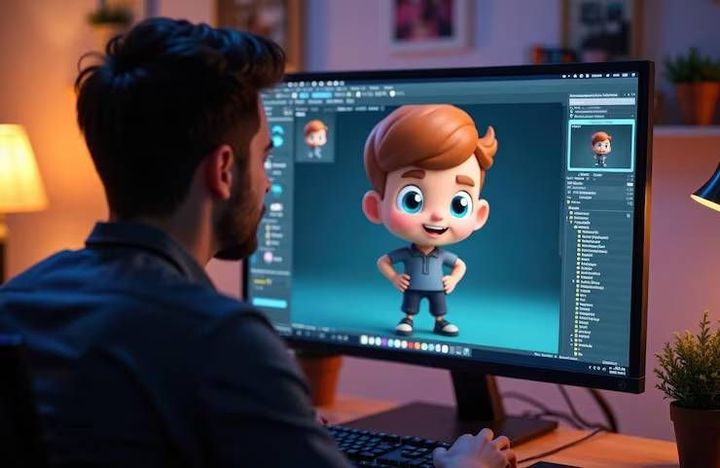
Customization: Facial features, hairstyles, clothing, colors, and visual styles can be adjusted.
Voice configuration: Some platforms allow users to select a synthetic voice or use authorized voice recordings.
Animation: Movement, expressions, and speaking features may be added.
Export and integration: The completed avatar can be used in videos, applications, games, or virtual environments.
Not every platform supports all these stages. Some focus on profile pictures, while others provide animated characters and interactive virtual presenters.
Importance and Applications of AI Avatars
AI avatars have become relevant because digital communication increasingly includes video, interactive content, virtual environments, and personalized visual experiences. They provide another way to represent individuals, explain information, and communicate through digital platforms.
Education and Online Learning
Educational institutions and digital learning platforms can use AI avatars as virtual instructors or presenters. An animated character can explain a lesson, introduce a subject, or guide learners through educational material.
For example, a language-learning application might use a virtual character to demonstrate pronunciation and conduct basic conversations. This can make digital lessons more interactive.
Business Communication
Organizations may use digital avatars in presentations, training materials, internal communication, and informational videos. A virtual presenter can deliver scripted information without requiring a person to appear in every recording.
However, the accuracy of the information and the transparency of synthetic media remain important considerations.
Entertainment and Gaming
AI-generated characters can be used in video games, animated storytelling, virtual environments, and social platforms. Developers may customize facial appearances, clothing, personalities, and movements to create different character designs.
Interactive avatars can also respond to user actions or conversations when connected to suitable AI systems.
Digital Content Creation
Content creators may use avatars for educational videos, tutorials, demonstrations, and virtual presentations. These digital characters can represent a fictional identity or an authorized digital version of a real person.
The visual style may range from cartoon illustrations to realistic human-like representations.
Types, Customization Options, and Key Features
AI avatars can be classified according to their appearance, functionality, and intended application.
Static AI Avatars
Static avatars are digital images that represent a person or fictional character. They are commonly used as profile pictures, illustrations, digital identities, and visual elements in online communities.
They do not require animation or interactive capabilities.
Animated AI Avatars
Animated avatars include facial expressions, body movements, gestures, and other visual actions. They are used in presentations, videos, games, and digital storytelling.
Some systems generate movement automatically, while others use predefined animations or motion recordings.
Realistic AI Human Avatars
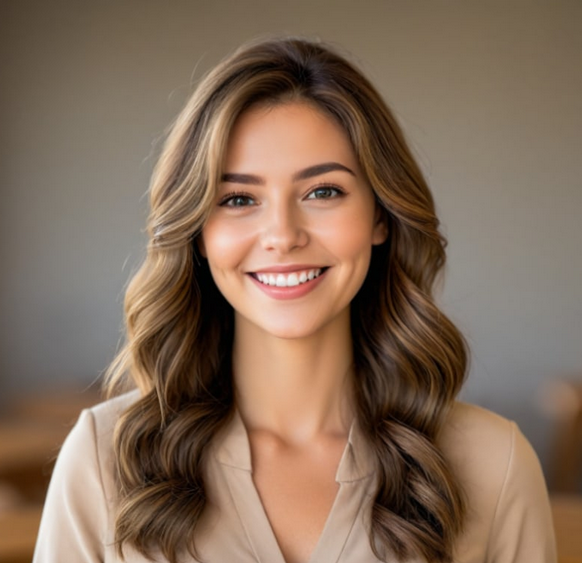
Realistic avatars are designed to resemble actual human beings. They may include detailed facial features, skin textures, hairstyles, clothing, and natural-looking expressions.
These avatars are often used in virtual presentations and synthetic video production. Their realistic appearance also makes disclosure and identity protection particularly important.
Cartoon and 3D Avatars
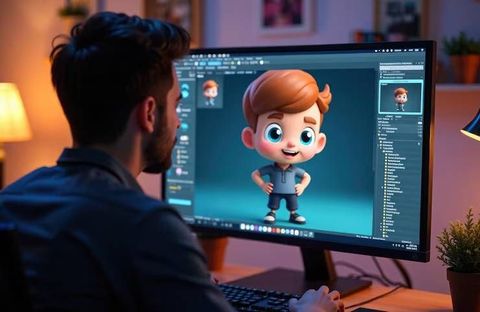
Cartoon avatars use illustrated or stylized visual designs. Three-dimensional avatars can be viewed and animated within digital environments.
They are commonly used in games, entertainment, educational applications, and virtual communities.
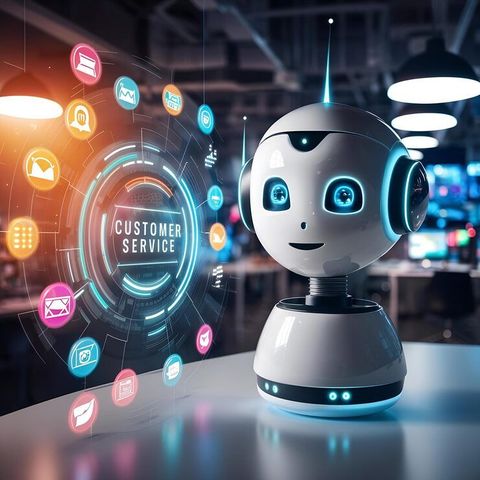
Interactive AI Avatars
Interactive avatars combine visual representations with conversational AI. They can process user questions and generate responses using language models or other conversational systems.
Their capabilities may include spoken conversations, personalized responses, and automated guidance.
Common Customization Options
Customization feature | Purpose |
|---|---|
Facial appearance | Changes facial structure and visual identity |
Hairstyles | Adjusts hair length, texture, and color |
Clothing | Defines the character's appearance |
Background | Changes the surrounding visual environment |
Voice | Determines speech characteristics |
Expressions | Adds emotions and facial movements |
Animation | Controls gestures and body movements |
Visual style | Selects realistic, cartoon, or 3D designs |
The availability of these options varies between platforms. Some tools provide extensive editing controls, while others generate avatars using a limited set of predefined choices.
Recent Developments and Trends
AI avatar technology has developed alongside improvements in generative AI, speech synthesis, image processing, and real-time animation.
More Realistic Digital Characters
Modern image-generation and animation systems can produce detailed facial features, more natural expressions, and smoother movements. These developments have increased the visual quality of digital characters used in video and virtual environments.
Real-Time Interaction
Some platforms combine conversational AI with animated characters to support real-time communication. This allows avatars to respond to questions through text or synthesized speech.
The quality of these interactions depends on language-processing capabilities, response speed, and the accuracy of the underlying information.
Multilingual Avatar Communication
AI speech technologies increasingly support multiple languages and different voice characteristics. This allows digital presenters to communicate information to audiences who use different languages.
However, pronunciation, translation accuracy, and cultural context can vary.
Personalized Digital Representations
Another developing area involves avatars designed to represent individual users. These systems may use photographs, voice samples, or other authorized materials to create personalized digital characters.
As personalization increases, consent, data protection, and identity verification become more important.
Laws, Regulations, and Policies
AI avatar creation may involve personal data, photographs, voice recordings, biometric information, and synthetic representations of individuals. The legal requirements depend on the country, the type of information processed, and how the avatar is used.
Data Protection and Privacy
In India, the Digital Personal Data Protection Act, 2023, establishes a framework for processing digital personal data. Applicable requirements concerning consent, data handling, and individual rights may be relevant when avatar platforms process identifiable personal information.
Organizations should consider whether they have appropriate permission to use photographs, recordings, and other personal material.
Copyright and Identity Rights
Photographs, illustrations, character designs, and other creative materials may be protected by intellectual property laws. Using another person's image or copyrighted artwork without appropriate authorization can create legal concerns.
The use of a real person's likeness or voice in a synthetic avatar may also raise privacy, personality-rights, and impersonation issues.
AI Transparency and Misuse Prevention
Realistic synthetic media can be used to create misleading representations. This creates concerns involving impersonation, fraud, misinformation, and unauthorized identity replication.
Responsible use may include:
Obtaining permission before creating avatars based on identifiable individuals.
Disclosing synthetic media where appropriate.
Avoiding misleading representations of real people.
Protecting uploaded photographs and voice recordings.
Reviewing applicable platform policies and local laws.
Legal requirements can differ depending on the use case and jurisdiction.
Practical Considerations, Tools, and Resources
Selecting an AI avatar creation platform requires understanding its features, output formats, privacy practices, and technical requirements.
Common AI Avatar Creation Tools
Different platforms focus on different aspects of avatar generation.
Ready Player Me: Provides customizable digital avatars for supported games and virtual environments.
Adobe Firefly: Includes generative image capabilities that can support character and visual concept creation.
Canva: Provides visual design features and AI-assisted content creation options.
Synthesia: Focuses on AI-generated video presentations with digital presenters.
D-ID: Provides technology for creating animated digital characters and talking-avatar experiences.
Feature availability, usage conditions, and supported formats vary across platforms and may change over time.
Factors to Consider When Selecting a Tool
Important considerations include:
Customization controls: Whether facial features, clothing, and backgrounds can be adjusted.
Output quality: The resolution and visual consistency of generated avatars.
Animation capabilities: Whether the platform supports facial movements, gestures, or speech.
Language support: Available languages and voice-generation options.
Export formats: Compatibility with video editors, websites, applications, and games.
Privacy practices: How uploaded images, recordings, and personal information are stored and processed.
Usage rights: Whether generated content can be used for the intended personal or commercial purpose.
Advantages, Limitations, and Challenges
AI avatar creation provides several practical possibilities, but its capabilities are accompanied by technical and ethical considerations.
Advantages
Allows digital characters to be created from different types of inputs.
Supports multiple visual styles and customization options.
Can simplify certain animation and video-production tasks.
Enables consistent digital representations across different content formats.
Supports interactive communication when connected to conversational AI.
Can help produce multilingual digital presentations.
Limitations and Challenges
Visual inconsistencies: Generated images may contain unusual facial details, distorted hands, or inconsistent character appearances.
Limited control: Some systems may not accurately follow detailed instructions or preserve the same appearance across multiple outputs.
Privacy concerns: Uploaded photographs, facial information, and voice recordings may contain sensitive personal data.
Identity misuse: Realistic avatars can be used to imitate individuals without permission.
Technical limitations: Animation quality, voice synchronization, processing speed, and language accuracy vary between platforms.
Disclosure concerns: Viewers may misunderstand synthetic characters as real people when the digital nature of the content is not clearly communicated.
FAQs
What is AI avatar creation?
AI avatar creation is the process of generating digital characters using artificial intelligence. These characters can be static images, animated figures, realistic human representations, or interactive virtual personalities.
How do AI avatar generators work?
AI avatar generators process inputs such as written descriptions, photographs, or visual references. Depending on the platform, they use image generation, machine learning, and animation technologies to produce digital characters.
What are the different types of AI avatars?
Common types include static avatars, animated characters, realistic human avatars, cartoon avatars, 3D characters, and interactive conversational avatars. Each type has different visual and functional capabilities.
Can AI avatars speak and move?
Yes. Some AI avatar platforms support synthesized speech, facial expressions, gestures, and body animation. Interactive systems can also respond to user questions through connected conversational AI.
Are AI-generated avatars legally permitted?
AI-generated avatars can be used for many legitimate purposes, but their creation and use must consider privacy, consent, copyright, identity rights, and applicable local regulations. Using another person's likeness or voice without authorization may create legal concerns.
Conclusion
AI avatar creation combines artificial intelligence, digital graphics, speech technologies, and animation to produce customizable virtual characters. These avatars have applications in education, entertainment, business communication, gaming, and digital content creation. Their capabilities range from simple profile images to realistic animated characters with conversational features. Privacy, consent, copyright, technical limitations, and transparency remain important considerations as this technology develops.