Bioreactor Systems Guide: Designs, Operation Methods, Controls and Industrial Applications
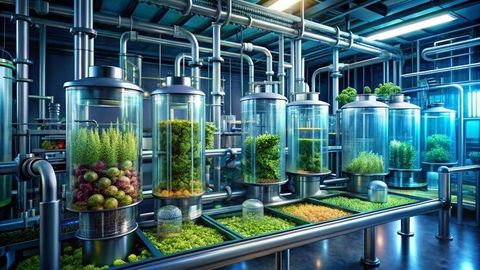
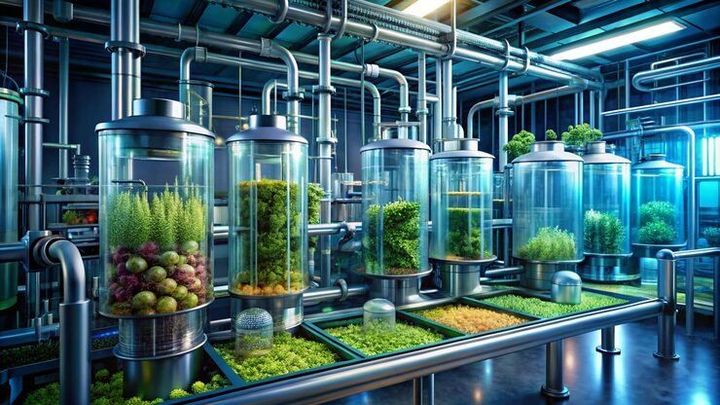
A bioreactor systems guide explains the equipment, designs, operating methods, control technologies, and industrial applications used to support biological processes. A bioreactor is a specialized vessel or enclosed system in which living cells, microorganisms, enzymes, or biological materials interact under controlled environmental conditions. These systems are widely used in biotechnology, pharmaceutical manufacturing, food production, agriculture, and environmental processing.
Context
A bioreactor systems guide explains the equipment, designs, operating methods, control technologies, and industrial applications used to support biological processes. A bioreactor is a specialized vessel or enclosed system in which living cells, microorganisms, enzymes, or biological materials interact under controlled environmental conditions. These systems are widely used in biotechnology, pharmaceutical manufacturing, food production, agriculture, and environmental processing.
The development of bioreactor technology is closely connected to fermentation, a biological process used for centuries in food and beverage production. Traditional fermentation methods gradually developed into controlled industrial processes as scientific understanding of microorganisms, oxygen requirements, temperature, and nutrient conditions improved. Modern bioreactor systems use mechanical equipment, sensors, and automated controls to maintain suitable conditions for biological activity.
Today, bioreactor designs range from small laboratory vessels to large industrial installations. Their construction and operation depend on the biological material being processed, the intended output, production scale, and required environmental conditions.
Understanding Bioreactor Systems
A bioreactor provides a controlled environment for biological reactions. Its main purpose is to maintain conditions that support the activity of cells or microorganisms while allowing operators to monitor the process.
Common components include:
Vessel: The main container that holds the biological material and process liquid.
Agitation system: Mixes the contents to distribute nutrients, temperature, and dissolved gases.
Aeration equipment: Introduces air or oxygen when the biological process requires it.
Sensors: Measure conditions such as temperature, pH, pressure, and dissolved oxygen.
Control system: Adjusts operating conditions according to programmed settings and sensor readings.
Sampling ports: Allow process samples to be collected for analysis.
Not every bioreactor contains identical components. Equipment selection depends on whether the process involves microorganisms, animal cells, plant cells, or enzyme-based reactions.
Main Bioreactor Designs
Different bioreactor designs support different biological processes and operating requirements.
Stirred-tank bioreactor: Uses mechanical impellers to mix the contents and distribute oxygen and nutrients. It is widely used in industrial biotechnology.
Airlift bioreactor: Uses rising air bubbles to circulate liquid, reducing the need for mechanical mixing equipment.
Bubble-column bioreactor: Introduces gas through the bottom of a vessel, creating circulation through rising bubbles.
Packed-bed bioreactor: Holds biological material or immobilized cells on a supporting structure while liquid moves through the system.
Fluidized-bed bioreactor: Uses flowing liquid or gas to suspend small supporting particles containing biological material.
Single-use bioreactor: Uses disposable process-contact containers, often designed for particular production environments.
Each design has different mixing characteristics, oxygen-transfer capabilities, maintenance requirements, and operating limitations.
Importance
Bioreactor systems are important because many industrial products depend on controlled biological activity. These include certain medicines, enzymes, food ingredients, agricultural materials, industrial chemicals, and wastewater treatment processes.
Without controlled environments, biological processes can become inconsistent. Changes in temperature, acidity, oxygen availability, or nutrient concentration may affect cell growth and product formation. Bioreactor technology helps industrial operators monitor these conditions and maintain more consistent process environments.
Industrial Problems Addressed by Bioreactor Technology
Bioreactors address several practical challenges in biological manufacturing and processing.
Process consistency: Controlled operating conditions help reduce unwanted variation between production batches.
Production capacity: Industrial vessels allow biological processes to operate at larger scales than many laboratory systems.
Environmental monitoring: Sensors provide information about changing process conditions.
Resource utilization: Controlled nutrient and oxygen delivery can support efficient biological activity.
Contamination management: Enclosed vessels and controlled handling procedures help reduce contamination risks.
Process documentation: Automated systems can record operating conditions for quality assessment and traceability.
Bioreactor systems are used by biotechnology manufacturers, research laboratories, food processors, agricultural research organizations, and environmental facilities. Their role varies according to the biological process and the applicable production standards.
Comparison of Bioreactor Designs
| Bioreactor type | Operating principle | Common applications |
|---|---|---|
| Stirred tank | Mechanical mixing | Microbial fermentation, biotechnology |
| Airlift | Air-driven circulation | Cell cultivation, biological processing |
| Bubble column | Gas bubbles create mixing | Fermentation, wastewater research |
| Packed bed | Liquid flows through supporting material | Immobilized cell processes |
| Fluidized bed | Particles remain suspended in flowing liquid | Biological treatment, enzyme processes |
| Single-use | Disposable process-contact container | Pharmaceutical and biotechnology production |
The selection of a design depends on mixing requirements, oxygen transfer, biological sensitivity, process scale, and cleaning considerations.
Recent Updates
Bioreactor technology continues to develop through improvements in automation, digital monitoring, single-use equipment, and advanced manufacturing methods. Developments from 2024 through 2026 reflect growing interest in flexible production systems, improved process monitoring, and the integration of digital technologies into industrial biotechnology.
Automation and Digital Process Controls
Modern bioreactor systems increasingly use programmable controllers and digital monitoring platforms. These systems collect information from sensors and help operators regulate temperature, pH, dissolved oxygen, agitation speed, and other operating conditions.
Some advanced platforms incorporate artificial intelligence and machine learning to examine process data, identify patterns, and support operational decisions. Digital models, sometimes called digital twins, can also represent selected process conditions to help engineers examine operating scenarios.
However, automated predictions depend on the quality of the available data and the accuracy of the underlying models. Human supervision and appropriate process validation remain important.
Single-Use Bioreactors and Flexible Manufacturing
Single-use bioreactor technology has become an important part of modern biopharmaceutical manufacturing. These systems use disposable bags or containers instead of conventional reusable process-contact vessels.
Potential advantages include reduced cleaning requirements and flexibility when changing between certain production processes. However, operators must also consider disposable material compatibility, waste management, container integrity, and supply availability.
Continuous Bioprocessing
Traditional biological manufacturing often uses batch processes, in which materials are processed in separate production cycles. Continuous bioprocessing allows selected stages to operate through an ongoing flow of materials under controlled conditions.
This approach can support integrated production systems, although it requires careful monitoring, process control, and coordination between different production stages. Its suitability depends on the biological product and manufacturing requirements.
Laws or Policies
Bioreactor systems are subject to regulations covering manufacturing quality, equipment safety, environmental protection, biological materials, and workplace conditions. Requirements depend on the intended application, the materials being handled, and the country where the equipment operates.
Bioreactor Regulations in India
In India, bioreactor-related activities may fall under several regulatory frameworks.
The Central Drugs Standard Control Organisation (CDSCO) regulates specified pharmaceutical and medical product activities under applicable provisions of the Drugs and Cosmetics Act, 1940, and associated rules. Pharmaceutical manufacturing involving biological products must follow relevant quality and regulatory requirements.
The Department of Biotechnology (DBT) provides guidelines and regulatory frameworks relating to biotechnology research and biological materials. Institutional Biosafety Committees and other designated authorities may have responsibilities depending on the organisms, genetic materials, and research activities involved.
Environmental requirements may also apply. The Central Pollution Control Board (CPCB) and State Pollution Control Boards oversee relevant environmental regulations, including applicable wastewater discharge, waste management, and pollution-control requirements.
Manufacturing Safety and Quality Standards
Industrial bioreactor facilities may need to consider several standards and requirements:
Good Manufacturing Practices (GMP): Applicable manufacturing requirements help maintain product quality, documentation, and process control.
Biosafety guidelines: Relevant rules govern the handling, containment, and use of biological materials.
Environmental regulations: Applicable requirements address effluent treatment, waste disposal, and emissions.
Equipment safety: Pressure vessels, electrical systems, and mechanical components must meet relevant safety requirements.
Quality management: Documentation, calibration, maintenance, and process validation support consistent manufacturing operations.
Not every requirement applies to every bioreactor. Regulatory obligations depend on the process, product category, facility, and applicable legal provisions.
Tools and Resources
Various technical tools and digital resources support bioreactor design, operation, monitoring, and process evaluation. Engineers, researchers, and production teams use them to understand equipment performance and maintain documented operating conditions.
Process Monitoring and Control Tools
Common monitoring equipment includes:
pH sensors: Measure acidity or alkalinity within the process liquid.
Dissolved oxygen probes: Monitor the oxygen available in the liquid.
Temperature sensors: Track changes in operating temperature.
Pressure sensors: Monitor pressure inside the vessel and connected equipment.
Flow meters: Measure the movement of liquids or gases.
Programmable logic controllers (PLCs): Coordinate equipment operations and control functions.
Supervisory Control and Data Acquisition (SCADA) platforms can collect and display operating information from connected industrial equipment. These platforms may also support alarms, process records, and remote monitoring.
Engineering and Simulation Resources
Engineering teams use process simulation and modelling software to study fluid movement, heat transfer, mixing, and oxygen transfer. Computational fluid dynamics (CFD) tools can help examine flow patterns inside different vessel designs.
Useful technical resources include:
NIST: Provides scientific reference information and measurement resources.
FDA: Publishes guidance relevant to pharmaceutical manufacturing and process quality.
CDSCO: Provides Indian regulatory information for pharmaceutical and related products.
Department of Biotechnology: Publishes biotechnology-related guidelines and research information.
CPCB: Provides environmental regulations and pollution-control information.
ISA: Provides industrial automation and control standards information.
Important Bioreactor Operating Parameters
The following table explains several parameters commonly monitored during biological processing.
| Parameter | Purpose | Measurement approach |
|---|---|---|
| Temperature | Controls the thermal environment | Temperature probe |
| pH | Tracks acidity or alkalinity | pH sensor |
| Dissolved oxygen | Monitors oxygen availability | Oxygen probe |
| Agitation speed | Influences mixing | Motor speed monitoring |
| Pressure | Tracks vessel conditions | Pressure transmitter |
| Gas flow rate | Monitors air or gas delivery | Flow meter |
Appropriate operating ranges differ according to the biological material and process requirements. Measurements must be interpreted within the context of the specific production system.
FAQs
What is a bioreactor system used for?
A bioreactor system provides controlled conditions for biological processes involving cells, microorganisms, enzymes, or other biological materials. Applications include pharmaceutical production, fermentation, food processing, and wastewater treatment.
What are the main types of bioreactor designs?
Common designs include stirred-tank, airlift, bubble-column, packed-bed, fluidized-bed, and single-use bioreactors. Each design has different mixing, aeration, and operating characteristics.
How do bioreactor control systems work?
Bioreactor control systems use sensors to monitor parameters such as temperature, pH, dissolved oxygen, and pressure. Controllers process these measurements and regulate connected equipment to maintain selected operating conditions.
What are the industrial applications of bioreactor systems?
Industrial applications include microbial fermentation, biological medicine manufacturing, enzyme production, food ingredient processing, agricultural research, and biological wastewater treatment.
What factors influence bioreactor selection?
Important factors include biological material, production scale, oxygen requirements, mixing conditions, contamination control, cleaning procedures, automation, and applicable regulatory requirements.
Conclusion
Bioreactor systems provide controlled environments for biological processes across pharmaceutical, food, agricultural, and environmental industries. Their designs include stirred-tank, airlift, packed-bed, and single-use configurations, each supporting different operating requirements. Automation, digital monitoring, and continuous processing are influencing the development of modern bioreactor technology. Equipment selection and operation depend on biological needs, process conditions, manufacturing standards, and applicable regulations.