Apartments in Mumbai Explained: Popular Areas, Property Types, Amenities and Lifestyle
Apartments in Mumbai are an important part of the city's residential landscape, reflecting the way housing has developed within a densely populated metropolitan region. Mumbai's geography, employment centers, transport networks, redevelopment activity, and limited land availability have contributed to the growth of multi-storey residential buildings across many parts of the city.
Context
Mumbai includes a wide range of residential environments, from older apartment buildings and cooperative housing societies to newly constructed high-rise developments. Apartment layouts also vary considerably, including compact studio units, one-bedroom apartments, two-bedroom homes, larger family residences, and spacious multi-bedroom units.
The term apartment generally describes an individual residential unit within a larger building or complex. The unit may have private rooms and facilities, while certain areas such as entrances, lifts, corridors, gardens, parking spaces, or recreational facilities may be shared.
How Mumbai's apartment landscape developed
The city's residential pattern has changed alongside population growth, industrial development, commercial expansion, and improvements in transportation. Older low-rise structures exist alongside high-rise residential towers, while redevelopment has changed the appearance and layout of several established neighborhoods.
Mumbai's residential areas are often discussed in relation to Mumbai City and Mumbai Suburban districts, although the broader metropolitan region extends beyond these administrative boundaries. Areas with similar names can also have very different building ages, road conditions, access to public transport, and neighborhood characteristics.
Common apartment characteristics
An apartment can be evaluated through several physical and practical elements:
- Layout: Number and arrangement of bedrooms, bathrooms, kitchen, living areas, balconies, and utility spaces.
- Building type: Low-rise, mid-rise, high-rise, or mixed-use development.
- Building age: New construction, recently completed development, or an older structure.
- Shared facilities: Lifts, security arrangements, parking, gardens, recreational areas, and common corridors.
- Location: Distance from workplaces, schools, healthcare facilities, public transport, shopping areas, and major roads.
Importance
Understanding apartments in Mumbai matters because residential choices involve more than the internal layout of a home. The surrounding neighborhood, building condition, transportation options, maintenance arrangements, and planned infrastructure can all influence everyday living.
Mumbai's compact urban form means that two apartments with similar floor areas can provide very different living experiences depending on their location. Travel time, access to railway stations or metro corridors, road congestion, pedestrian infrastructure, and nearby facilities can all affect daily routines.
Popular areas and their characteristics
Mumbai has numerous residential neighborhoods, and the suitability of an area depends on individual requirements rather than a universal ranking. Different parts of the city have developed distinct physical and social characteristics.
| Area | General residential characteristics | Common considerations |
|---|---|---|
| South Mumbai | Established urban neighborhoods and older as well as newer buildings | Connectivity, heritage structures, dense development |
| Bandra | Mixed residential, commercial, and entertainment environment | Road traffic, transport access, neighborhood activity |
| Andheri | Large residential and commercial area | Rail, metro, road connectivity, varied building stock |
| Powai | Planned residential pockets and larger developments | Employment access, open spaces, connectivity |
| Borivali | Primarily residential areas with varied housing formats | Rail access, roads, parks, neighborhood facilities |
| Thane | Large residential market within the wider Mumbai region | Metro and road links, newer developments, commuting |
| Navi Mumbai | Planned nodes with residential and commercial zones | Transport links, planned layouts, distance from central Mumbai |
These descriptions are broad and should not be treated as assessments of individual buildings or neighborhoods. Conditions can vary significantly within the same locality.
Lifestyle considerations
Lifestyle in an apartment community can be shaped by building density, available open space, noise levels, nearby commercial activity, and access to transportation. A person working near a railway or metro corridor may place greater importance on commuting access, while a household with children may pay more attention to schools, parks, internal open areas, and building facilities.
Apartment living can also involve shared rules concerning parking, renovations, pets, common spaces, visitors, and building maintenance. These arrangements may differ between housing societies and individual developments.
Recent Updates
The Mumbai residential landscape has continued to change through redevelopment, new construction, infrastructure expansion, and changes in the use of urban land. Redevelopment is particularly relevant in established areas where older buildings or housing societies are being considered for reconstruction.
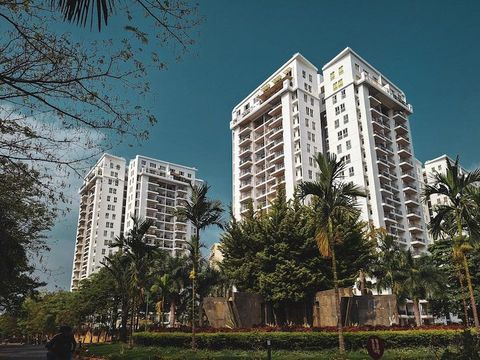
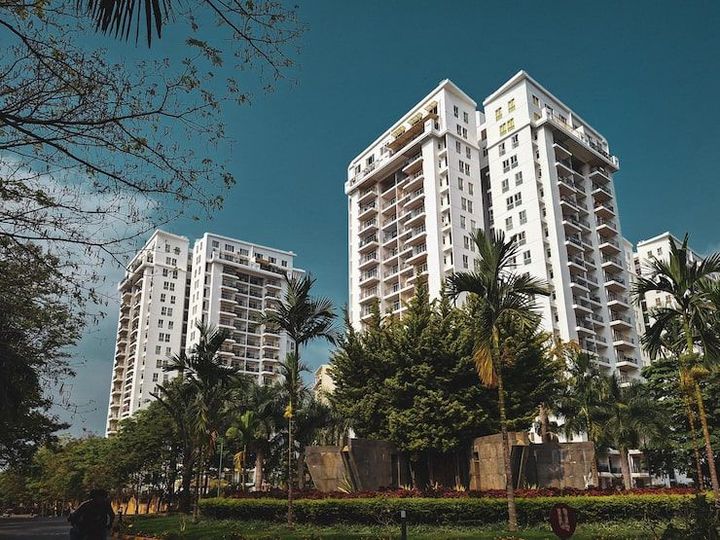
Another continuing trend is the development of higher-density residential buildings. Multi-storey construction allows more residential units to be accommodated within limited urban land, while newer buildings may incorporate structured parking, lifts, security systems, energy-management features, recreational spaces, and other shared facilities.
Digital access to project information has also become more important. MahaRERA provides project registration and update information, including details relating to project progress, building information, documents, and completion information.
Redevelopment and changing neighborhoods
Redevelopment can change an existing residential building or housing society into a newer development. The process can involve planning approvals, agreements, construction activity, temporary relocation arrangements, and eventual handover.
For residents and prospective apartment occupants, redevelopment status can therefore be relevant when assessing an older building. A building's current condition and its future plans are separate matters and should not be treated as interchangeable.
Digital property information
Online regulatory databases have made it easier to access project-related information for registered developments. MahaRERA maintains project records and publishes regulatory orders, updates, registration information, and other documents.
This development reflects a broader shift toward digital access to real estate information. However, online records should be read carefully because a project can have updates, extensions, complaints, or regulatory proceedings that affect its current status. MahaRERA also publishes information concerning project extensions and the conditions associated with such applications.
Laws or Policies
Apartments in Mumbai are affected by several layers of rules covering real estate development, construction, registration, building approvals, taxation, and housing societies. The applicable requirements can depend on the type of property, project status, location, and transaction structure.
The Real Estate (Regulation and Development) Act, 2016, commonly known as RERA, provides a regulatory framework for qualifying real estate projects. In Maharashtra, MahaRERA administers the state's implementation of the framework and maintains project registration and related records.
MahaRERA and project information
MahaRERA requires registered projects to maintain and update certain project information. Its guidance states that project details can include documents, building information, construction progress, common facilities, professional details, and completion information.
Project registration does not mean that every aspect of a development is automatically suitable for every household. It is a regulatory status that provides a framework for project information and oversight.
Real estate agents dealing with qualifying registered projects are also subject to registration requirements under Maharashtra's RERA framework. MahaRERA states that agents must obtain prior registration before carrying out specified transactions involving registered projects.
Building and municipal requirements
Apartment construction also involves local planning and building requirements. Depending on the project, these may relate to building permissions, fire safety, structural requirements, environmental considerations, water and drainage infrastructure, parking, and occupancy documentation.
Because these requirements can change and can differ by project circumstances, a general article cannot establish whether a particular apartment or building meets every applicable requirement. Project-specific documents and current government records are the appropriate sources for that determination.
Tools and Resources
Several public resources can help readers understand Mumbai apartments and the surrounding property environment.
MahaRERA project database
The MahaRERA website provides project-registration information and related documents for registered developments in Maharashtra. It can be used to examine project records, updates, registration information, and regulatory material.
Project documents
Documents associated with a residential project may contain information about the development, building configuration, proposed completion, common facilities, and other project characteristics. Reviewing the applicable documents can provide more context than relying only on an apartment advertisement or summary.
Location and transport maps
Digital maps can help compare an apartment's location with railway stations, metro stations, roads, schools, hospitals, workplaces, shopping areas, and other destinations. Travel time can vary considerably according to the time of day, so a distance measurement alone does not always describe the practical commuting experience.
Apartment comparison checklist
A simple comparison table can organize information before making a residential decision:
- Apartment configuration and usable area
- Building age and condition
- Floor and orientation
- Parking arrangements
- Lift and common-area facilities
- Water and electricity arrangements
- Nearby transport options
- Local infrastructure
- Project registration information where applicable
- Building and occupancy documentation
- Society rules and recurring maintenance arrangements
Using the same criteria for multiple apartments can make differences easier to understand without relying on promotional descriptions.
FAQs
Which areas have apartments in Mumbai?
Apartments are available across many parts of Mumbai, including South Mumbai, Bandra, Andheri, Powai, Borivali, and other established or developing residential areas. The wider Mumbai Metropolitan Region also includes residential centers such as Thane and Navi Mumbai, which have different urban layouts and commuting patterns.
What types of apartments in Mumbai are common?
Common configurations include studio units, one-bedroom, two-bedroom, three-bedroom, and larger apartments. Building formats range from older low-rise structures to contemporary high-rise developments, while layouts and shared facilities vary between projects.
What amenities are commonly found in Mumbai apartments?
Amenities vary by building. Depending on the development, residents may have access to lifts, parking, landscaped areas, recreational spaces, security arrangements, community rooms, fitness areas, or children's play areas. The actual facilities should be verified from project documents rather than assumed from general descriptions.
How can someone check information about a Mumbai apartment project?
For a project covered by Maharashtra's RERA framework, project information can be checked through the MahaRERA database. Records may include registration details, project updates, documents, construction information, and regulatory material.
How does redevelopment affect apartments in Mumbai?
Redevelopment can involve reconstruction of an existing building or housing society and may change the building's layout, facilities, and number of residential units. Its implications depend on the specific project, agreements, approvals, timelines, and regulatory status.
Conclusion
Apartments in Mumbai range from compact units in established neighborhoods to larger residences in newer high-rise developments. Location, apartment configuration, building condition, amenities, transportation, and surrounding infrastructure all contribute to the characteristics of a residential property. Recent development patterns include redevelopment, higher-density construction, infrastructure expansion, and greater digital access to project information. Maharashtra's RERA framework and local building requirements also form an important part of the regulatory environment surrounding qualifying apartment projects.