Avoid Customer Management Confusion with Essential CRM Guidance
Managing customer information can become challenging as organizations grow. Contact details, communication records, inquiries, feedback, and transaction histories often come from multiple channels.
Without a structured approach, information can become scattered, making it difficult to maintain accurate records and consistent communication.

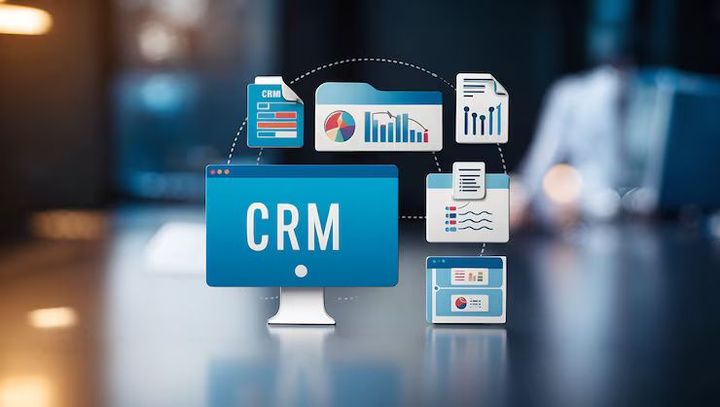
This is where a Customer Management CRM system becomes valuable. CRM stands for Customer Relationship Management, a process supported by software tools that help organizations organize customer information and interactions in one place. A CRM system is not only useful for large organizations; small and medium-sized organizations can also benefit from a more organized approach to managing customer relationships.
This guide explains the fundamentals of Customer Management CRM, how it works, its benefits, common challenges, and practical strategies that can help reduce confusion and improve customer information management.
What Is Customer Management CRM?
Customer Management CRM refers to the processes and tools used to organize, track, and manage customer interactions and information.
A CRM system helps collect and store details such as:
Customer names
Contact information
Communication history
Preferences
Support requests
Activity records
Instead of keeping information in spreadsheets, emails, notebooks, or separate systems, a CRM creates a centralized location where important customer information can be accessed more easily.
The goal is to improve organization, communication, and decision-making.
Why Customer Management Can Become Confusing
Many organizations experience customer management challenges as operations expand.
Common reasons include:
Scattered Information
Customer information may exist across multiple platforms and departments.
Inconsistent Records
Different employees may record information differently, leading to inaccuracies.
Missed Follow-Ups
Important conversations or requests can sometimes be overlooked.
Communication Gaps
Without centralized information, customer interactions may become inconsistent.
Limited Visibility
Teams may struggle to understand a customer's complete history.
These issues can create unnecessary complexity and reduce operational efficiency.
How a CRM System Works
A Customer Management CRM system organizes information into a structured framework.
Data Collection
Customer information is entered into the system through forms, communication channels, or manual updates.
Information Storage
The CRM stores customer records in a centralized database.
Activity Tracking
Interactions such as emails, phone calls, inquiries, and meetings can be documented.
Reporting
CRM systems can generate reports that help organizations understand trends and customer activity.
Information Access
Authorized team members can access relevant information when needed.
This organized approach helps reduce confusion and improves coordination.
Key Features of Customer Management CRM
Modern CRM platforms typically include several useful features.
Contact Management
Customer profiles store important details in one location.
Communication Tracking
Interaction histories provide context for future conversations.
Task Management
Teams can organize reminders and follow-up activities.
Reporting Tools
Reports help identify patterns and support decision-making.
Data Organization
Information can be categorized and structured for easier access.
These features help organizations maintain more accurate records and improve efficiency.
Benefits of Using Customer Management CRM
A CRM system can provide several practical advantages.
Improved Organization
Information is stored in a structured and accessible format.
Better Communication
Team members can access customer histories and maintain more consistent communication.
Reduced Information Loss
Important records are less likely to become misplaced.
Enhanced Collaboration
Departments can share information more effectively.
Faster Information Retrieval
Finding customer details becomes easier when records are centralized.
These benefits help organizations manage growing customer databases more effectively.
Common CRM Applications
Customer Management CRM systems are used in many industries.
Retail
Retail organizations often use CRM systems to manage customer interactions and communication histories.
Healthcare
Healthcare providers may use CRM tools to organize patient communication and appointment information.
Education
Educational institutions use CRM systems to manage student inquiries and engagement activities.
Financial Organizations
Financial institutions often use CRM tools to organize customer records and communication histories.
Hospitality
Hotels and travel-related organizations frequently use CRM systems to support guest communication and planning.
The flexibility of CRM technology makes it useful across a wide range of industries.
Building an Effective CRM Strategy
Technology alone does not solve customer management challenges.
Successful CRM implementation often involves a thoughtful strategy.
Define Clear Objectives
Organizations should identify what they want to improve, such as communication, organization, or reporting.
Standardize Data Entry
Consistent record-keeping practices improve data quality.
Train Team Members
Users should understand how to use the CRM system effectively.
Regularly Update Records
Accurate and current information improves reliability.
Monitor Performance
Periodic reviews help identify opportunities for improvement.
These practices support long-term CRM success.
Common CRM Mistakes to Avoid
Several mistakes can reduce the effectiveness of CRM systems.
Incomplete Data Entry
Missing information can limit the usefulness of customer records.
Duplicate Records
Multiple versions of the same customer profile can create confusion.
Inconsistent Processes
Different approaches to data management may reduce accuracy.
Ignoring Updates
Outdated records can lead to communication challenges.
Limited User Adoption
A CRM system is most effective when used consistently across the organization.
Avoiding these mistakes helps maximize the value of CRM tools.
Data Quality and CRM Success
Data quality plays a critical role in CRM effectiveness.
Important practices include:
Verifying information accuracy
Removing duplicate records
Updating outdated information
Standardizing naming conventions
Reviewing records regularly
High-quality data improves reporting, communication, and decision-making.
Organizations that prioritize data quality often experience smoother CRM operations.
CRM and Customer Experience
A well-organized CRM system can contribute to a more positive customer experience.
Benefits may include:
Faster responses
Consistent communication
Better understanding of customer needs
Improved information accuracy
More efficient interactions
When customer information is organized and accessible, communication becomes more effective.
This helps create smoother interactions across various touchpoints.
Future Trends in Customer Management CRM
CRM technology continues evolving alongside advances in digital tools and artificial intelligence.
Several trends are shaping the future of customer management.
Artificial Intelligence Integration
AI tools are helping organizations analyze customer information more efficiently.
Automation
Automated workflows can simplify repetitive administrative tasks.
Mobile Accessibility
CRM platforms increasingly support mobile access and remote work environments.
Advanced Analytics
Enhanced reporting tools provide deeper insights into customer activity.
Improved Personalization
Organizations can use CRM data to better understand customer preferences and behaviors.
These developments continue expanding the capabilities of CRM systems.
Choosing the Right CRM Approach
Every organization has different needs.
Factors to consider include:
Organization size
Number of customers
Communication channels
Reporting requirements
Growth objectives
Selecting an approach that aligns with organizational goals helps improve adoption and effectiveness.
The right CRM strategy focuses on organization, consistency, and usability.
Conclusion
Customer information management can become increasingly complex as organizations grow. A Customer Management CRM system helps reduce confusion by organizing records, tracking interactions, and supporting more efficient communication processes.
By centralizing information, maintaining data quality, and following consistent management practices, organizations can improve visibility, collaboration, and customer experiences. As CRM technology continues evolving, it remains an important tool for helping organizations manage relationships and information in a more structured and organized way.