Improve Customer Conversations with Proven AI Chatbot Insights
Communication plays a central role in how organizations interact with customers. Whether answering questions, sharing information, handling requests, or providing updates, effective communication helps create smoother experiences and stronger relationships.
As customer expectations continue to evolve, many organizations are exploring digital tools that can help manage conversations more efficiently.
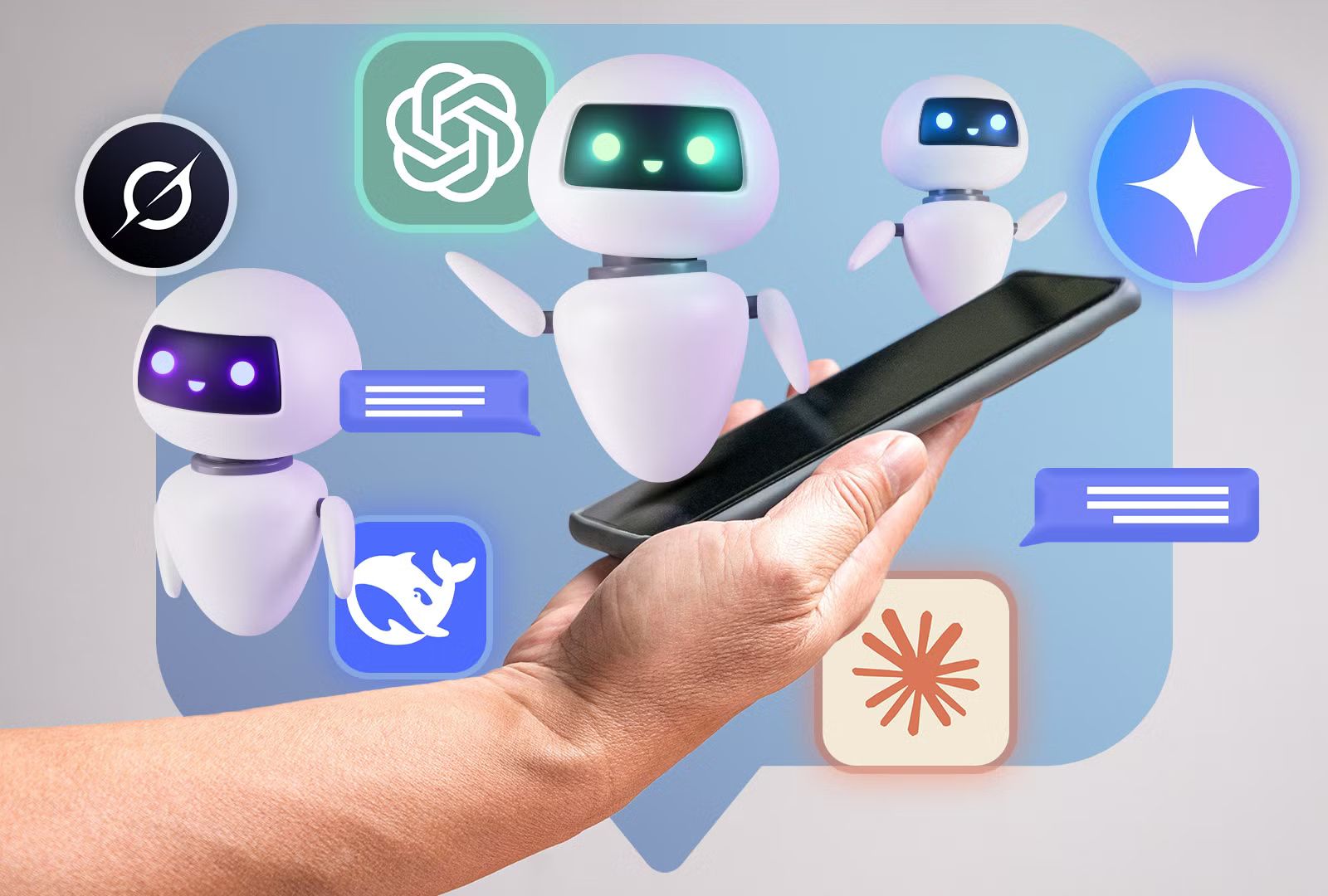
One technology receiving significant attention is the AI Chatbot. These intelligent systems are designed to interact with users through text or voice conversations, helping organizations respond to inquiries and manage communication workflows. While chatbots have existed for many years, advances in artificial intelligence have significantly improved their capabilities.
This article explores how AI Chatbots work, their practical applications, benefits, challenges, and key insights that can help organizations improve customer conversations.
Understanding AI Chatbots
An AI Chatbot is a software application designed to communicate with users through natural language conversations. Unlike traditional automated systems that rely solely on fixed responses, AI-powered chatbots can analyze questions, understand intent, and generate contextually relevant replies.
These systems use technologies such as:
Artificial intelligence
Natural language processing
Machine learning
Data analysis
Together, these technologies help chatbots interpret user messages and respond in a more conversational manner.
AI Chatbots are commonly integrated into websites, messaging platforms, mobile applications, and customer communication systems.
Why Customer Conversations Matter
Customer conversations influence how people perceive an organization. Clear and timely communication can help create positive experiences, while delayed or inconsistent responses may lead to frustration.
Effective conversations help organizations:
Address customer questions
Share relevant information
Improve communication efficiency
Reduce misunderstandings
Support long-term relationships
As communication volumes increase, maintaining consistency becomes more challenging. AI Chatbots help organizations manage these interactions more effectively.
How AI Chatbots Work
AI Chatbots follow a series of processes when interacting with users.
Message Reception
The chatbot receives a message from the user through a communication channel.
Language Analysis
Natural language processing technology analyzes the text and identifies important keywords, phrases, and intent.
Intent Recognition
The system determines what the user is trying to achieve or understand.
Response Generation
Based on available information and conversation context, the chatbot generates an appropriate response.
Ongoing Interaction
The conversation continues as the chatbot processes additional user inputs.
This process happens within seconds, allowing users to receive timely responses.
Common Types of AI Chatbots
Different organizations use different chatbot models depending on their communication needs.
Rule-Based Chatbots
These chatbots operate using predefined conversation paths.
They are effective for handling structured and predictable inquiries.
AI-Powered Chatbots
AI-powered chatbots use machine learning and natural language processing to manage more flexible conversations.
They can interpret a wider range of user inputs.
Hybrid Chatbots
Hybrid systems combine rule-based workflows with artificial intelligence capabilities.
This approach provides both structure and adaptability.
Many organizations choose hybrid models to balance automation and conversational flexibility.
Benefits of AI Chatbots
AI Chatbots provide several advantages for customer communication.
Faster Responses
Customers often appreciate timely answers.
Chatbots can respond immediately to common inquiries, reducing waiting times.
Consistent Communication
AI Chatbots provide consistent responses based on available information and established workflows.
This helps reduce communication variability.
Improved Availability
Unlike traditional communication channels that may depend on operating hours, chatbots can continue handling conversations at any time.
Efficient Information Sharing
Chatbots can quickly provide information related to:
Account updates
Product details
Frequently asked questions
Appointment scheduling
General inquiries
This improves accessibility to information.
Reduced Administrative Work
Automation allows staff members to focus on more complex interactions while chatbots manage routine conversations.
Practical Applications of AI Chatbots
AI Chatbots are used across many industries.
Retail
Retail organizations often use chatbots to answer product-related questions and provide order updates.
Healthcare
Healthcare environments may use chatbots for:
Appointment scheduling
Patient information requests
General guidance
Education
Educational institutions frequently use chatbots to assist students and families with information requests.
Banking and Finance
Financial organizations utilize chatbots to help users navigate common account-related inquiries.
Travel and Hospitality
Travel businesses often use chatbots to share travel information, reservation details, and itinerary updates.
These examples demonstrate the versatility of chatbot technology.
Creating Better Customer Conversations
Successful chatbot implementation involves more than simply automating responses.
Several practices can improve conversation quality.
Use Clear Language
Responses should be easy to understand and avoid unnecessary complexity.
Simple language improves accessibility for a broader audience.
Anticipate Common Questions
Analyzing frequently asked questions helps organizations prepare effective chatbot responses.
Maintain Conversation Flow
Users should be guided logically through interactions without unnecessary confusion.
Provide Human Escalation Options
Some inquiries require human expertise.
Allowing users to connect with human representatives when necessary supports a more balanced communication experience.
Regularly Review Performance
Monitoring chatbot interactions helps identify areas for improvement and refinement.
Continuous evaluation supports better results over time.
Challenges and Limitations
Although AI Chatbots provide many advantages, they also have limitations.
Complex Requests
Highly specific or unusual questions may be difficult for chatbots to address accurately.
Context Interpretation
Even advanced systems can occasionally misunderstand user intent.
Ongoing Maintenance
Chatbots require periodic updates to maintain relevance and accuracy.
User Preferences
Some individuals prefer direct communication with human representatives rather than automated systems.
Organizations often combine chatbot technology with traditional communication channels.
Understanding these limitations helps establish realistic expectations.
Data Privacy Considerations
AI Chatbots frequently interact with personal information.
Organizations should consider:
Data security measures
Access controls
Privacy policies
Regulatory requirements
Responsible information management helps protect user trust and supports compliance efforts.
Privacy should remain a priority throughout chatbot deployment and operation.
The Future of AI Chatbots
Artificial intelligence continues evolving rapidly, influencing chatbot capabilities.
Several trends are shaping future developments.
Improved Natural Language Understanding
Future chatbots may better understand context, intent, and conversational nuances.
Personalization
AI systems may provide more tailored responses based on user preferences and interaction history.
Voice-Based Interactions
Voice-enabled chatbot technologies continue gaining attention across various industries.
Predictive Assistance
Future systems may anticipate user needs and provide proactive guidance.
Integration With Business Systems
Chatbots are increasingly connecting with customer relationship management platforms, workflow systems, and communication tools.
These advancements may further improve customer communication experiences.
AI Chatbots and Customer Experience
Customer experience depends heavily on communication quality.
AI Chatbots contribute by:
Reducing response delays
Improving information accessibility
Supporting communication consistency
Simplifying routine interactions
When implemented thoughtfully, chatbot technology can complement human communication and help organizations manage growing interaction volumes.
Rather than replacing human involvement entirely, many organizations use chatbots as part of a broader communication strategy.
Conclusion
AI Chatbots have become valuable tools for improving customer conversations in a wide range of industries. Through artificial intelligence, natural language processing, and automation, these systems help organizations manage inquiries, share information, and support communication efficiency.
While AI Chatbots are not without limitations, they can play an important role in reducing response times, improving consistency, and helping organizations handle increasing communication demands. As technology continues to advance, AI Chatbots are expected to become even more capable and influential in shaping future customer interactions.