Best Trading Applications Explained: Features, Tools, Markets, Benefits and Key Considerations
Trading applications are digital platforms that allow individuals to access financial markets, review market information, and place orders for financial instruments. A Best Trading Applications Explained guide helps readers understand the features, tools, markets, benefits, and limitations associated with these platforms. Trading applications developed alongside electronic trading systems, which gradually reduced the need to place orders through traditional telephone-based brokerage arrangements.
Context
Trading applications are digital platforms that allow individuals to access financial markets, review market information, and place orders for financial instruments. A Best Trading Applications Explained guide helps readers understand the features, tools, markets, benefits, and limitations associated with these platforms. Trading applications developed alongside electronic trading systems, which gradually reduced the need to place orders through traditional telephone-based brokerage arrangements.
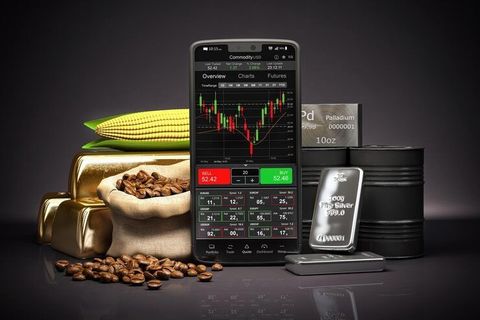
Today, trading applications are available through mobile phones, tablets, and desktop computers. Depending on the platform and the user's account, they may provide access to stocks, exchange-traded funds (ETFs), bonds, currencies, commodities, and derivatives. The available markets, account requirements, and permitted transactions vary by country and financial institution.
How Trading Applications Work
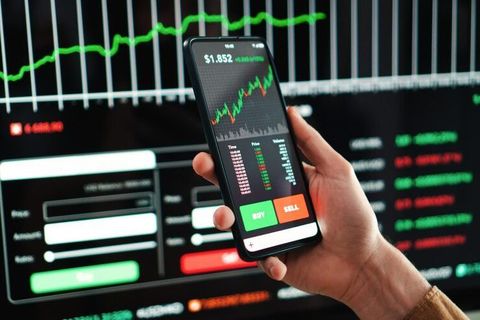
A trading application connects an investor or trader with a brokerage account and the relevant financial market. Users can review prices, examine charts, submit orders, and monitor holdings through the platform. The broker and relevant exchange or trading venue process orders according to their rules and available market conditions.
Some applications are designed primarily for long-term investing, while others provide tools for active trading and technical analysis. Understanding this distinction helps users identify which features match their experience, financial objectives, and preferred approach.
Importance
Trading applications have changed how individuals interact with financial markets by making market information and electronic order placement accessible through digital devices. They can help users monitor investments, follow price movements, review account activity, and manage orders without relying on traditional in-person arrangements.
However, easy access does not remove financial risk. Market prices can change quickly, and frequent trading, leverage, derivatives, and emotionally driven decisions can contribute to losses. An application's convenience should therefore be considered separately from the risks associated with the financial instruments available through it.
Features That Matter in a Trading Application
Important features differ according to the platform and the markets it supports. Common features include:
Order placement: Tools for entering market, limit, stop, and other supported order types.
Market information: Price quotes, historical data, market depth, and financial news.
Charts and indicators: Visual tools for examining price movements, volume, and technical patterns.
Portfolio tracking: Displays of holdings, transaction history, account balances, and gains or losses.
Research tools: Company reports, financial statements, economic calendars, and market analysis.
Account security: Authentication controls, login alerts, and supported account-protection measures.
Notifications: Alerts for price changes, order status, and account activity.
Not every application includes all these features. Some market data may be delayed, while advanced charts or real-time information may require particular account permissions or additional payments.
Comparing Common Trading Application Types
| Application type | Main purpose | Important consideration |
|---|---|---|
| Stock trading platform | Trading shares and supported ETFs | Exchange access and order execution |
| Investment platform | Managing longer-term investments | Portfolio reporting and available assets |
| Derivatives platform | Trading futures and options | Leverage, expiry, and contract risk |
| Foreign exchange platform | Accessing supported currency markets | Spreads, trading hours, and counterparty arrangements |
| Multi-asset platform | Accessing several financial instrument categories | Regulation and product availability |
| Demo trading platform | Practising with simulated funds | Simulated results differ from live trading |
The category names are general descriptions. A single application may support several activities, and the exact instruments available depend on the provider, jurisdiction, and account type.
Recent Updates
Trading applications have continued to develop through greater use of mobile technology, automated alerts, improved charting interfaces, and integrated market information. Developments during 2024–2026 have also included wider discussion of artificial intelligence in financial research, stronger attention to cybersecurity, and continued changes in digital trading infrastructure. The availability of individual features varies by provider and market.
Artificial Intelligence and Analytical Tools
Some trading platforms and related research tools use artificial intelligence to summarize financial information, identify patterns in historical data, organize news, or help users explore market indicators. These tools can make complex information easier to review, but their outputs may contain errors, rely on incomplete data, or fail to account for unexpected events.
Automated trading tools can also execute predefined instructions when specified conditions are met. Their operation depends on system configuration, market liquidity, connectivity, and order rules. Automation does not remove market risk or ensure that an order will execute at the expected price.
Mobile Access and Account Security
Mobile trading has made account monitoring and order management possible from many locations with internet access. Applications increasingly incorporate biometric login options, authentication codes, device alerts, and other security controls, although the specific protections differ across providers.
Users should also understand the risks of phishing messages, counterfeit applications, insecure networks, and unauthorized account access. Installing applications from verified sources, maintaining device updates, and protecting login credentials are important elements of digital account security.
Data Quality and Trading Costs
Trading interfaces may display real-time quotes, delayed prices, estimated values, or information from particular exchanges. Users need to understand which data they are viewing before making decisions based on short-term price movements.
Trading expenses can include brokerage charges, spreads, exchange fees, taxes, financing charges, and currency-conversion fees, depending on the instrument and account. These expenses can affect overall results even when an application does not display a separate charge for every transaction.
Laws or Policies
Trading applications operate under financial regulations that vary by country and by the type of instrument being traded. Relevant rules may address broker registration, investor protection, customer identification, disclosures, market conduct, data protection, and the handling of client funds.
Trading Application Regulations in India
In India, the Securities and Exchange Board of India (SEBI) regulates securities markets and relevant registered intermediaries within its legal authority. Stockbrokers operating in regulated securities markets must meet applicable registration and compliance requirements. Exchanges, such as the National Stock Exchange of India (NSE) and BSE, also maintain rules governing trading and market participation.
The Reserve Bank of India (RBI) regulates relevant banking and foreign-exchange activities within its statutory responsibilities. Access to currency derivatives and other foreign-exchange transactions is subject to applicable Indian laws and regulatory requirements. An overseas application being accessible online does not automatically mean that every product it provides is permitted for Indian residents.
Before opening an account, users should verify the provider's regulatory status, the relevant exchange membership where applicable, the products permitted for their circumstances, and the account's fee schedule. Regulatory status should be checked through official records rather than inferred from an application's appearance or advertising.
Identity Verification and Investor Protection
Financial institutions may require identity verification, tax information, and other documents to comply with customer-identification and anti-money-laundering requirements. In India, applicable requirements may involve the Permanent Account Number (PAN), Know Your Customer (KYC) procedures, and other account-opening checks.
Investors should read risk disclosures and understand how complaints are handled. SEBI and recognized exchanges publish information about regulated intermediaries, investor education, and grievance procedures. The protections available depend on the instrument, intermediary, transaction, and applicable rules; market losses are not automatically reimbursed.
Tools and Resources
Several resources can help users compare trading applications, understand financial instruments, and evaluate account conditions. Information should be checked against official documentation because product availability, fees, and regulatory requirements may change.
Market Information and Official Websites
The NSE India website and the BSE India website provide exchange-related information, market data, notices, and educational materials. SEBI publishes regulatory information, investor guidance, and details relevant to market intermediaries. The RBI website provides information about banking and foreign-exchange regulations within its responsibilities.
Financial news websites and company investor-relations pages can provide earnings announcements, financial statements, and economic updates. Users should distinguish confirmed disclosures from commentary, estimates, and unverified social media claims.
Calculators and Comparison Tools
Trading calculators can help estimate brokerage charges, transaction expenses, position size, and the effect of price changes. A profit-and-loss calculation should account for relevant charges and taxes rather than considering only the difference between entry and exit prices.
A comparison spreadsheet can help organize information across platforms. Useful fields include:
Supported markets and financial instruments.
Applicable regulatory registrations.
Brokerage, spreads, exchange fees, and other charges.
Market-data availability and charting features.
Order types, account requirements, and withdrawal procedures.
Security controls and customer complaint channels.
Demo accounts and simulated trading tools can help users learn how orders work without placing actual market transactions. However, simulated environments may not reproduce live liquidity, execution delays, or the emotional pressures associated with real financial exposure.
FAQs
What features should a trading application include?
Useful features may include order placement, market data, charts, portfolio tracking, transaction records, account security, and clear fee information. Appropriate features depend on the user's experience and intended financial activity.
How can users compare trading applications in India?
Users can compare supported instruments, regulatory status, fees, available research tools, order types, and account security. Relevant registrations and permissions should be verified through official regulatory or exchange records.
Are trading applications suitable for beginners?
They can help beginners access market information and learn order procedures, but understanding financial instruments and risks is essential. Demo tools may help with practice, although simulated results do not represent actual market outcomes.
What are the risks of using trading applications?
Risks include market losses, leverage-related exposure, technical interruptions, incorrect orders, cyber threats, and unexpected transaction expenses. The level of risk depends on the instrument, trading method, and account arrangements.
Are all financial markets available through one trading application?
No. Market access depends on the provider, jurisdiction, account permissions, and applicable regulations. Some platforms support only selected exchanges or instruments.
Conclusion
Trading applications provide digital access to market information, order placement, portfolio monitoring, and financial research tools. Their features and supported markets differ, so platform capabilities should be distinguished from the risks of the underlying instruments. In India, applicable SEBI, exchange, RBI, and other legal requirements may affect account access and permitted transactions. Understanding fees, security controls, regulatory status, and market risks provides a clearer basis for evaluating these applications.
Disclaimer: The information provided in this article is for informational purposes only. We do not make any claims or guarantees regarding the accuracy, reliability, or completeness of the information presented. The content is not intended as professional advice and should not be relied upon as such. Readers are encouraged to conduct their own research and consult with appropriate professionals before making any decisions based on the information provided in this article