Binding Machine Details: A Guide to Features, Formats, and Binding Techniques
A binding machine is equipment used to join individual sheets into an organized document. Binding machines are commonly found in offices, schools, libraries, print rooms, training centers, and other workplaces where documents need a structured and durable format.
Understanding binding machine details can help users identify different formats, features, materials, and binding techniques. This guide explains the basics of binding machines, their importance, recent developments, relevant policies, and practical resources in simple terms.
Context
A binding machine joins sheets by using a particular binding method. Depending on the machine type, the process may involve punching holes and inserting a binding element, creating a thermal bond, or folding and fastening pages. The selected technique generally depends on document thickness, paper type, intended use, and the required appearance.
Binding machines have developed alongside document-production practices. Earlier methods often relied on manual stitching, clips, or basic mechanical fastening. Modern equipment provides more consistent punching, alignment, heating, or finishing processes.
Common binding formats include:
| Binding format | Basic technique | Typical document use |
|---|---|---|
| Comb binding | Holes are punched and a plastic comb is inserted | Reports and manuals |
| Wire binding | Sheets are punched and joined with wire | Presentations and notebooks |
| Spiral binding | A spiral element passes through punched holes | Workbooks and study materials |
| Thermal binding | Heat activates adhesive around pages | Professional documents |
| Tape binding | Binding tape secures the document edge | Reports and administrative documents |
| Saddle stitching | Folded sheets are fastened through the center | Booklets and brochures |
The choice of format affects how a document opens, turns pages, and remains organized. For example, spiral and comb formats can allow pages to rotate around the binding, while thermal binding can create a book-like appearance.
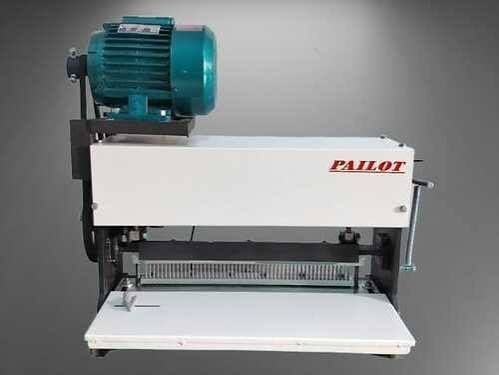
A binding machine may include several operational features. These can include adjustable paper guides, punching controls, document-thickness indicators, heating elements, cooling areas, and safety mechanisms. Manual, electric, and automated models can differ considerably in how much operator involvement they require.
Importance
Binding machines matter because document organization can influence how information is presented, stored, and handled. A properly assembled document can be easier to read, archive, transport, and distribute within an organization.
They are relevant to several groups:
- Schools and educational institutions preparing study materials and reports
- Offices assembling reports, proposals, records, and training documents
- Libraries organizing printed reference materials
- Print rooms handling different document formats
- Individuals preparing portfolios, project reports, or instructional materials
Binding also protects individual pages from becoming separated. The appropriate technique can improve document handling without changing the information contained in the pages.
Paper compatibility is another important consideration. Different machines may support different paper weights, sizes, and sheet quantities. Users should check the manufacturer's technical documentation before processing unusual materials.
Document thickness is particularly important. A machine designed for a small number of sheets may not be appropriate for a thick report. Similarly, punching capacity and binding-element dimensions can affect the final result.
Safety is also part of responsible machine use. Some binding machines contain heated components or moving mechanical parts. Users should follow the manufacturer's instructions, keep hands away from moving components, and allow heated equipment to cool according to its operating guidance.
Recent Updates
Recent binding machine developments have focused on efficiency, consistency, ease of operation, and compatibility with modern document workflows. Many newer machines incorporate clearer controls, improved paper alignment, automatic punching, and indicators that help users operate the equipment correctly.
Digital document workflows have also influenced physical document production. Although many organizations use electronic documents, printed reports, educational materials, manuals, and archival records continue to require physical finishing.
Current trends include:
- More compact equipment for smaller workspaces
- Improved alignment mechanisms
- Electric punching for repetitive workloads
- Adjustable settings for different document formats
- Faster thermal heating and cooling systems
- Reduced operator effort through automation
- Compatibility with a broader range of document sizes
Another development is greater attention to material efficiency. Some document-production environments are examining recyclable covers, paper-based binding materials, and reusable document components. The environmental impact varies according to the materials, adhesives, plastics, metals, and electricity used.
Technology selection should therefore be based on documented specifications rather than assumptions about a machine category. Important specifications can include maximum punching capacity, binding capacity, supported paper dimensions, operating cycle, binding format, and electrical requirements.
Laws or Policies
Binding machines generally do not have one universal set of regulations that applies to every user or location. Requirements can vary according to the country, workplace, machine design, electrical system, and operating environment.
In India, workplaces may need to consider applicable occupational safety requirements, electrical safety provisions, and manufacturer instructions when operating machinery. Organizations should consult the relevant authorities and current regulations for their specific workplace.
Product safety and electrical requirements can also vary by jurisdiction. Organizations importing or operating equipment should verify applicable standards rather than assuming that requirements from another country apply locally.
Environmental rules may become relevant when organizations dispose of plastic binding materials, metal components, adhesives, packaging materials, or electronic equipment. Local waste-management requirements should be followed where applicable.
For institutional environments, internal policies can also govern equipment operation. These may cover:
- Authorized machine operators
- Electrical inspection procedures
- Equipment maintenance records
- Workplace safety practices
- Waste segregation
- Emergency procedures
Because regulations can change, official government and standards organizations should be used when determining current compliance requirements.
Tools and Resources
Several resources can help users understand binding machine details and select an appropriate technique. Manufacturer manuals are particularly useful because they contain machine-specific instructions, operating limits, maintenance information, and safety guidance.
Useful resources include:
- Manufacturer documentation – Provides specifications, operating instructions, and maintenance guidance.
- Paper-size references – Help users understand A4, A5, Letter, Legal, and other common formats.
- Document-thickness calculations – Sheet count and paper thickness can help estimate the required binding capacity.
- Binding-element charts – Useful for understanding comb, wire, and spiral dimensions.
- Workplace safety documentation – Helps establish safe operating procedures.
- Government websites – Useful for checking applicable workplace, electrical, environmental, and machinery requirements.
When estimating document thickness, users should consider paper thickness rather than relying only on page count. Two documents containing the same number of sheets can have different thicknesses because paper weights and materials vary.
A practical workflow is to determine the document size, estimate thickness, identify the desired binding format, verify machine specifications, and then follow the operating instructions.
FAQs
What is a binding machine?
A binding machine is equipment designed to join individual sheets into a structured document using techniques such as comb, wire, spiral, thermal, or tape binding.
Which binding format is suitable for reports?
The appropriate format depends on the report's thickness, required appearance, page-turning needs, and intended use. Comb, wire, spiral, and thermal formats are commonly used for different report requirements.
What should I check before using a binding machine?
Check the machine's supported paper sizes, punching capacity, binding capacity, document thickness, compatible materials, electrical requirements, and safety instructions.
Can binding machines handle different paper sizes?
Many machines support common formats, but the exact range varies. Always consult the technical specifications before processing paper outside the machine's stated size range.
How does thermal binding differ from punched binding?
Thermal binding generally uses heat to activate adhesive around the document edge, while punched systems create holes and use a comb, wire, or spiral element to hold the pages together.
Conclusion
Binding machines provide several techniques for organizing loose sheets into structured documents. Understanding binding machine features, formats, capacity, paper compatibility, and operating procedures helps users select an appropriate document-finishing approach.
Different environments have different requirements. Schools may prioritize flexible page handling, offices may need consistent reports, and print rooms may work with several document formats.
Users should rely on current manufacturer documentation and applicable government or workplace guidance when operating equipment. Proper selection, routine maintenance, and safe operating practices can help maintain consistent document preparation.
For practical planning, begin by identifying the document format and approximate thickness. Then compare the required binding technique with the machine's documented specifications and operating limits.