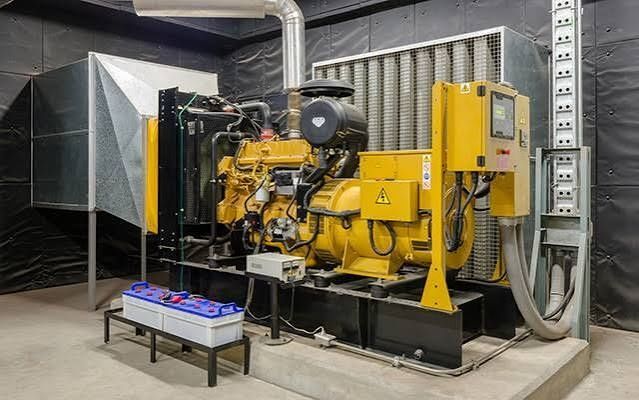
Power Generator Basics: Understand Fuel Types, Power Output, and System Performance
Power generators are widely used to provide electrical power when the main grid is unavailable, unreliable, or insufficient for a particular application. Understanding power generator basics helps users compare fuel types, power output, operating conditions, and overall system performance without relying on technical assumptions.
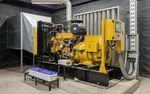
A generator system typically combines an engine or another prime mover with an electrical generator, controls, switchgear, fuel arrangements, and safety equipment. The correct configuration depends on the required load, operating duration, environment, and applicable regulations.
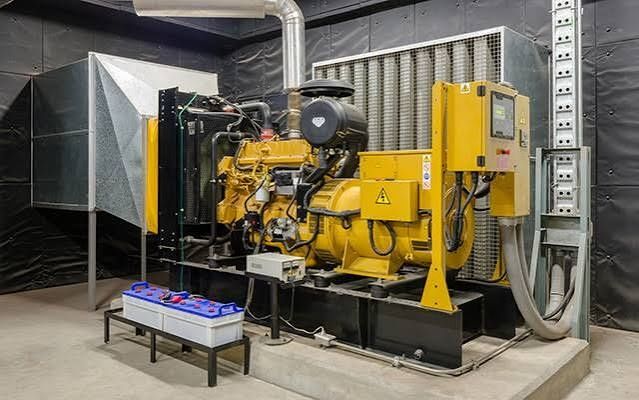
Context – Understanding Power Generator Basics
A power generator converts mechanical energy into electrical energy. In a conventional engine-driven generator, fuel is used by an internal combustion engine, which turns an alternator. The alternator then produces electricity that can be supplied to connected electrical loads.
Generators can be used for standby, continuous, peak-load, or other applications. ISO 8528 provides internationally recognized classifications and performance requirements for reciprocating internal-combustion engine generating sets. ISO 8528-5:2025 specifically addresses design and performance criteria for the complete generating set.
Common fuel types include:
- Diesel
- Natural gas
- Gasoline
- LPG
- Biogas and other alternative fuels in specific applications
- Dual-fuel combinations
Fuel selection affects operating characteristics, emissions, storage requirements, maintenance considerations, and suitability for different environments.
Power output is commonly expressed in watts (W), kilowatts (kW), or kilovolt-amperes (kVA). A generator's usable output depends not only on its nameplate rating but also on power factor, ambient conditions, altitude, temperature, load type, and operating rating.
| Generator factor | What it indicates |
|---|---|
| kW | Real electrical power available |
| kVA | Apparent electrical power capacity |
| Power factor | Relationship between real and apparent power |
| Frequency | Electrical cycle rate, commonly 50 or 60 Hz |
| Voltage | Electrical potential supplied to loads |
| Fuel type | Energy source used by the prime mover |
| Load rating | Intended operating duty |
For example, a motor-driven pump can have different starting requirements from lighting equipment. Therefore, calculating only the total running wattage may not be sufficient when selecting a generator configuration.
Importance – Why Generator Performance Matters
Understanding generator performance matters to households, commercial facilities, industrial plants, data centers, healthcare facilities, construction sites, and infrastructure operators.
The generator must be capable of handling both normal operating loads and, where applicable, temporary starting loads. Motors, compressors, pumps, and other inductive equipment can create a higher electrical demand during startup.
Several factors influence performance:
- Total connected load
- Starting and running current
- Load balance between phases
- Power factor
- Fuel quality
- Engine condition
- Generator temperature
- Altitude and ventilation
- Frequency and voltage regulation
Operating a generator far below or consistently near its rated capacity can also affect efficiency and system behavior. Proper load assessment therefore forms an important part of generator planning.
For critical facilities, reliability involves more than electrical output. Automatic transfer equipment, control systems, fuel arrangements, ventilation, battery systems, and testing procedures can all affect whether backup power becomes available when required.
Recent Updates – Trends and Developments
Recent developments in generator technology include improved electronic controls, more advanced engine monitoring, emissions-management systems, and greater integration with battery storage and renewable-energy systems.
ISO has also updated several parts of its generating-set standards. ISO 8528-5:2025 is the current published edition for generating-set performance requirements, while ISO 8528-13:2026 provides updated safety requirements for reciprocating internal-combustion engine-driven generating sets.
Another development is the growing use of hybrid power architectures. These can combine an engine-driven generator with batteries, solar generation, or other electrical sources. Such systems can help manage changing loads and reduce unnecessary generator runtime when appropriately designed.
Digital monitoring is also becoming more common. Controllers can track parameters such as:
- Engine speed
- Voltage
- Frequency
- Oil pressure
- Coolant temperature
- Fuel level
- Operating hours
- Load percentage
Remote monitoring can make it easier for operators to identify abnormal operating conditions and plan maintenance activities.
Laws or Policies – Regulations and Standards
Generator regulations depend on the country, location, fuel type, generator capacity, installation environment, and intended use. Local electrical, fire-safety, environmental, noise, fuel-storage, and building requirements may all apply.
In India, the Central Pollution Control Board has published requirements associated with the emissions rules for generator-set applications. CPCB documentation covering the 2022 notification includes requirements for new internal-combustion engines up to 800 kW gross mechanical power used in generator-set applications and addresses diesel, alternative fuels, bi-fuel, dual-fuel, and certain portable generator configurations.
Internationally, ISO 8528 provides an important technical reference for reciprocating internal-combustion generating sets. ISO 8528-13:2026 addresses safety requirements, while ISO 8528-6:2023 covers test methods for generating sets.
In the United States, NFPA 110 addresses emergency and standby power systems. The 2025 edition is listed among the available editions, and the standard establishes requirements concerning emergency and standby power-system performance and classification.
Because requirements vary by jurisdiction, users should verify the applicable national and local rules before installing or operating a generator.
Tools and Resources – Useful Generator Information
Several resources can help users understand generator sizing, technical requirements, and performance.
Useful resources include:
- ISO 8528 documents for generating-set classifications, performance, testing, and safety.
- CPCB publications for applicable generator emissions requirements in India.
- NFPA 110 for emergency and standby power-system requirements in relevant U.S. applications.
- Electrical load calculators for estimating connected and operating loads.
- Manufacturer technical manuals for fuel consumption, derating, voltage, frequency, and load specifications.
- Electrical engineering worksheets for calculating kW, kVA, power factor, and three-phase loads.
A basic sizing calculation can begin with the expected running load:
Required kW = Total running electrical load + allowance for applicable starting demand
For three-phase systems, engineers may also use voltage, current, and power-factor relationships to determine apparent and real power. Actual generator selection should account for the specific equipment and operating conditions rather than relying on a simple wattage total.
FAQs – Power Generator Basics
What is a power generator?
A power generator is a machine that converts mechanical energy into electrical energy. Engine-driven systems commonly use diesel, gasoline, natural gas, LPG, or other fuels as their energy source.
What is the difference between kW and kVA?
kW represents real electrical power, while kVA represents apparent power. The relationship between them depends on the system's power factor.
Which fuel types are commonly used?
Diesel, natural gas, gasoline, LPG, and certain alternative fuels are commonly used. Dual-fuel and other configurations may also be available for particular applications.
How do I understand generator power output?
Start by identifying the running load, starting requirements, voltage, frequency, phase configuration, and power factor. Environmental conditions such as altitude and temperature may also affect available output.
Why are generator standards important?
Standards establish technical, safety, testing, and performance requirements. ISO 8528 and applicable national or local regulations can help define requirements for particular generator applications.
Conclusion – Key Generator Basics
Power generator basics include understanding fuel types, kW and kVA ratings, load requirements, operating conditions, and system performance. A suitable generator configuration depends on the electrical application, required operating duty, environmental conditions, and applicable regulations.
Recent standards such as ISO 8528-5:2025 and ISO 8528-13:2026 demonstrate continued development in generator performance and safety requirements.
For practical planning, users should document their electrical loads, identify equipment with high starting demand, and determine the required operating duration. Technical manuals, electrical calculations, and applicable regulatory documents can then be used to evaluate the system requirements.
Generator technology is also moving toward improved monitoring, emissions management, and hybrid integration. Understanding these developments provides a useful foundation for evaluating how different generator configurations may perform in residential, commercial, industrial, and critical-power applications.