
Buying Sofas Complete Guide to Choosing the Perfect Living Room Furniture
A sofa is often the centerpiece of a living room, providing a comfortable place for relaxing, entertaining guests, and spending time with family. Whether furnishing a new home or replacing an existing piece, Buying Sofas involves more than selecting a design that looks appealing.
Factors such as size, materials, comfort, durability, functionality, and room layout all play an important role in finding the right furniture.
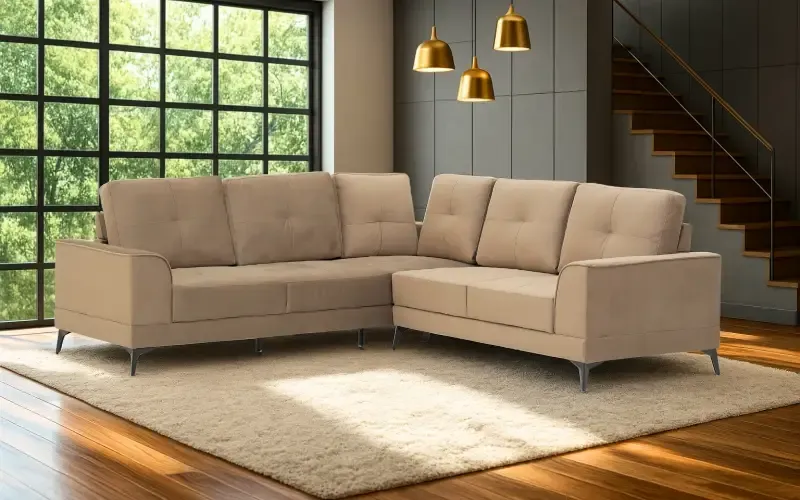
Modern sofas are available in a wide range of styles, fabrics, configurations, and features to suit different lifestyles and interior designs. Understanding these options can help homeowners make informed purchasing decisions that balance comfort, aesthetics, and long-term value.
Note: Sofa materials, dimensions, prices, warranties, customization options, and availability vary by manufacturer and retailer. This article is intended for general educational purposes only.
Why Choosing the Right Sofa Matters
A sofa is typically one of the most frequently used pieces of furniture in a home.
Selecting the right option can provide several benefits, including:
Improved everyday comfort
Better support for relaxation
Enhanced living room appearance
Efficient use of available space
Long-term durability
Greater flexibility for different seating needs
Better compatibility with home décor
Increased functionality for daily living
Taking time to evaluate different options helps ensure a more satisfying purchase.
Types of Sofas
Different sofa styles are designed for different spaces and purposes.
Standard Sofa
A traditional three-seat or two-seat sofa suitable for most living rooms.
Sectional Sofa
Consists of multiple connected sections that can provide flexible seating arrangements for larger spaces.
Loveseat
A compact sofa designed to comfortably seat two people.
Recliner Sofa
Includes reclining seats that allow users to adjust their seating position for added comfort.
Sleeper Sofa
Functions as both a sofa and a fold-out bed, making it useful for guest accommodations.
Modular Sofa
Individual sections can often be rearranged to fit changing room layouts.
Choosing the Right Size
Before Buying Sofas, measure the available space carefully.
Consider:
Room dimensions
Doorway and hallway access
Window placement
Walking space
Existing furniture
Seating capacity
Ceiling height
Overall room layout
Accurate measurements help avoid delivery and placement issues.
Upholstery Materials
The upholstery material influences comfort, maintenance, and appearance.
Common options include:
Fabric
Available in many colors, textures, and patterns. Fabric sofas are popular for everyday living spaces.
Leather
Offers a classic appearance and is often valued for durability and ease of cleaning when properly maintained.
Faux Leather
Provides a leather-like appearance while using synthetic materials.
Performance Fabrics
Designed to improve stain resistance, durability, and everyday maintenance.
Velvet
Adds a soft texture and distinctive visual style to living spaces.
Each material has different care requirements and performance characteristics.
Frame and Cushion Construction
The internal construction contributes to the sofa's durability.
Important components include:
Hardwood or engineered wood frames
Metal reinforcement where applicable
High-density foam cushions
Pocket spring support
Webbing or spring suspension systems
Durable stitching
Quality construction supports long-term performance.
Comfort Considerations
Comfort preferences vary from person to person.
Evaluate:
Seat depth
Seat height
Cushion firmness
Back support
Armrest height
Reclining features
Overall seating posture
Fabric texture
Whenever possible, testing a sofa before purchasing can help determine whether it meets your comfort preferences.
Buying Sofas Overview
| Feature | Why It Matters |
|---|---|
| Sofa Size | Fits available living space |
| Upholstery Material | Affects comfort and maintenance |
| Frame Construction | Supports long-term durability |
| Cushion Type | Influences seating comfort |
| Style | Matches home décor |
| Functionality | Supports everyday living needs |
Tips Before Buying Sofas
Careful planning can make the purchasing process easier.
Helpful recommendations include:
Measure your room before shopping.
Compare different sofa styles.
Consider household size and lifestyle.
Choose upholstery suited to daily use.
Review warranty information.
Understand cleaning and maintenance requirements.
Check delivery dimensions.
Compare multiple retailers before making a decision.
These steps help ensure the sofa fits both your space and your needs.
Current Furniture Trends
Furniture design continues to evolve with changing lifestyles.
Recent trends include:
Modular seating systems
Sustainable materials
Smart furniture with integrated charging ports
Performance fabrics
Minimalist designs
Neutral color palettes
Multifunctional furniture
Customizable configurations
These innovations provide greater flexibility for modern homes.
Looking Ahead
The future of Buying Sofas is expected to include more sustainable manufacturing, environmentally friendly materials, smart furniture features, and increased customization through digital design tools. As technology advances, consumers may also benefit from augmented reality applications that help visualize furniture in their homes before making a purchase.
Why Understanding Buying Sofas Matters
Understanding the key considerations involved in Buying Sofas helps homeowners compare styles, evaluate quality, and choose furniture that suits their living space, comfort preferences, and long-term needs. A well-selected sofa can enhance both the appearance and functionality of a home for many years.
Conclusion
Buying Sofas involves balancing comfort, size, design, materials, and durability to find the right fit for your home. By understanding the different sofa types, upholstery options, frame construction, and maintenance requirements, consumers can make informed purchasing decisions that support both everyday comfort and long-term value. As furniture design continues to evolve, modern sofas offer more choices than ever to match a wide variety of lifestyles and interior styles.