Camper Van Rental Guide: Vehicle Types, Travel Routes and Booking Guidelines
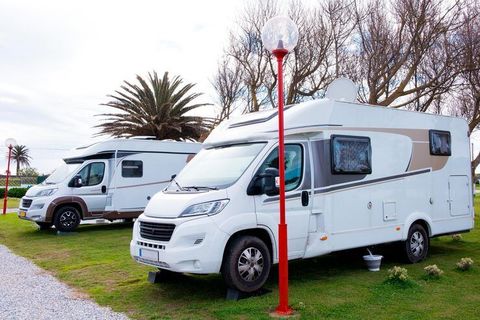
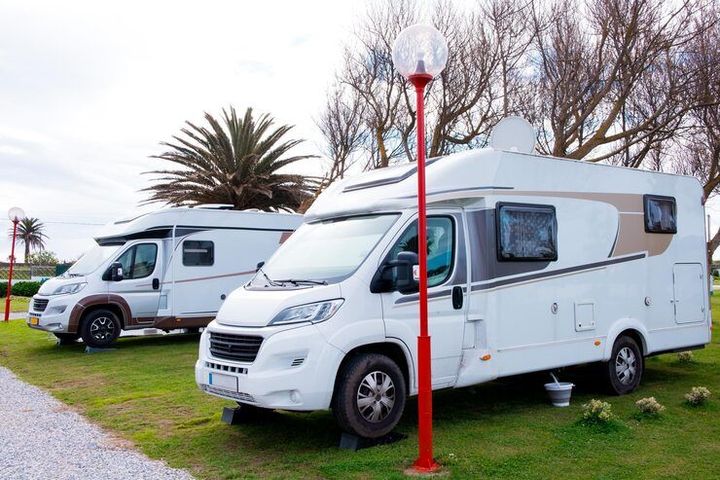
A camper van combines road transportation with compact living space, allowing travelers to travel between destinations while carrying sleeping, cooking, and storage facilities inside the vehicle. Camper vans range from simple converted vans with a bed and basic storage to larger vehicles equipped with kitchens, bathrooms, water tanks, heating, and electrical systems.
Camper van rental developed alongside the wider growth of recreational vehicle travel. Instead of owning a recreational vehicle for occasional trips, travelers can use a vehicle for a specific journey and return it afterward. This arrangement has made camper vans relevant to short road trips, extended holidays, outdoor travel, and scenic routes.
Modern camper vans are available in several layouts and sizes. Some are similar in dimensions to ordinary passenger vans, while others have raised roofs, extended bodies, or additional living compartments. The choice of vehicle affects driving requirements, passenger capacity, fuel use, storage, and the type of roads that can be comfortably traveled.
Common camper van types
The main categories differ according to size, interior layout, and equipment.
- Compact camper vans generally have sleeping space, storage, and a small cooking area. They are suitable for travelers who want a relatively compact vehicle.
- Pop-top camper vans use a lifting roof to create additional sleeping or standing space while retaining a relatively compact body.
- Converted panel vans are based on commercial vans that have been modified with beds, cabinets, electrical systems, and sometimes kitchen or bathroom facilities.
- Larger camper vans provide more interior space and may include permanent beds, toilets, showers, refrigerators, and additional seating.
- Four-wheel-drive camper vans are designed for particular road conditions and outdoor travel, although their permitted routes depend on the vehicle and local regulations.
Understanding vehicle specifications
Before a journey, travelers need to understand more than the number of sleeping spaces. Important specifications include the vehicle's length, height, width, passenger capacity, fuel type, transmission, water capacity, electrical system, and storage volume.
| Camper van feature | Why it matters |
|---|---|
| Sleeping capacity | Determines how many people can stay inside |
| Vehicle length | Affects parking and maneuverability |
| Vehicle height | Matters for tunnels, garages, and low structures |
| Water capacity | Determines available onboard water |
| Battery capacity | Influences operation of electrical equipment |
| Storage space | Determines how much luggage and equipment can be carried |
| Kitchen equipment | Indicates available cooking facilities |
| Bathroom facilities | Shows whether toilet or shower facilities are included |
Importance
Camper van travel combines transportation and accommodation in one vehicle. This can make route planning more flexible because travelers can move between destinations without changing their vehicle at every stage of the journey.
The format is particularly relevant for travelers interested in national parks, coastal roads, mountain regions, countryside routes, and other destinations where attractions may be spread across large areas. It can also suit couples, solo travelers, and small groups, depending on the vehicle's legal passenger and sleeping capacity.
However, camper van travel requires more planning than an ordinary road trip. The driver needs to consider vehicle dimensions, road restrictions, parking rules, fuel availability, overnight parking regulations, campsite availability, and access to water and waste facilities.
Choosing a vehicle for the journey
The vehicle should match the route rather than being selected only according to its interior appearance. A compact van may be easier to drive through cities and narrow roads, while a larger vehicle can provide more interior space for longer trips.
Consider these factors before selecting a camper van:
- Number of passengers and required seat belts
- Number of people expected to sleep inside
- Manual or automatic transmission
- Vehicle height and length
- Storage requirements
- Kitchen and refrigeration facilities
- Heating or cooling equipment
- Toilet and shower arrangements
- Battery and charging systems
- Driving conditions along the planned route
Planning travel routes
A camper van route needs more than a list of destinations. It should include realistic driving distances, rest periods, overnight locations, fuel stops, food supplies, water facilities, and places where waste can be disposed of according to local rules.
Routes can be divided into several common patterns. A coastal route may connect beaches, towns, viewpoints, and camping areas. A mountain route may focus on scenic roads and hiking areas but require additional attention to weather and road conditions. A city-to-city route can combine urban attractions with designated camping areas outside major population centers.
A practical route plan can include:
- Starting and ending locations
- Daily driving distance
- Planned overnight locations
- Fuel and charging points
- Water refill locations
- Waste-disposal facilities
- Weather-sensitive roads
- Alternative routes
- Restricted-access areas
Recent Updates
Camper van travel has continued to develop through changes in digital booking, vehicle technology, trip planning, and traveler preferences. Industry research published during 2024–2026 indicates continued interest in road trips and recreational vehicle travel, with online planning becoming increasingly important. RVshare's 2026 travel research reported continued interest in RV travel and highlighted flexible itineraries, quieter destinations, pet-friendly travel, and technology-assisted planning as notable themes.
Digital booking has also become a significant part of the recreational vehicle travel process. Market research indicates that online booking represented a substantial portion of recreational vehicle rental activity in 2025, reflecting greater use of digital comparisons, online reservations, electronic check-in processes, and trip-planning tools.
Technology and vehicle development
Camper vans are increasingly incorporating technology such as digital control panels, navigation systems, solar charging, improved battery systems, USB charging points, and energy-management equipment. These features can help travelers monitor electrical consumption and manage onboard equipment.
Electric and lower-emission recreational vehicles are also receiving attention. However, charging infrastructure, vehicle range, payload, weather conditions, and route availability remain important considerations when evaluating electric camper van travel. Industry developments in 2026 have continued to show interest in electric mobility, modular interiors, and improved off-grid capabilities.
Digital trip planning
Travelers increasingly use online maps, campground databases, route planners, weather applications, and digital reservation systems when preparing camper van journeys. Some planning platforms also incorporate artificial intelligence to help organize routes and identify potential stops.
These tools can reduce planning effort, but their information may not always reflect temporary road closures, seasonal restrictions, local parking rules, or campsite availability. Current local information remains important when making route decisions.
Laws or Policies
Camper van rental is affected by several categories of laws and regulations, and the exact requirements differ between countries, states, provinces, municipalities, and individual protected areas.
Driver licensing rules determine which vehicles a person can legally drive. Some jurisdictions permit ordinary passenger-vehicle licenses for smaller camper vans, while larger vehicles may fall under different licensing categories. Travelers should verify the applicable rules based on the vehicle's registered weight and classification.
Insurance requirements also vary. Rental agreements commonly specify the insurance arrangements associated with the vehicle, while some jurisdictions impose mandatory vehicle insurance requirements.
Road and parking regulations
A camper van cannot necessarily be parked or occupied overnight wherever ordinary vehicles can park. Local authorities may restrict overnight parking, camping, vehicle dimensions, or the use of public spaces for sleeping.
Travelers should distinguish between parking and camping. A location that permits vehicle parking may not necessarily permit overnight occupation, cooking outside the vehicle, awnings, outdoor furniture, or other camping activities.
Environmental and waste regulations can also apply. Wastewater, toilet waste, and rubbish should be handled through designated facilities where required. Protected natural areas may have additional restrictions covering vehicle access, fires, camping, and waste disposal.
Because these rules vary substantially by location, travelers should check official government, road authority, park authority, and campground information for each destination.
Tools and Resources
Several digital and practical resources can help organize a camper van journey.
Route-planning tools
Digital mapping platforms can help calculate driving distances, identify roads, estimate journey times, and locate fuel stations or charging points. Specialized camper van route planners may also account for vehicle height, width, weight, or restricted roads.
Campsite directories
Campsite databases can provide information about overnight locations, facilities, seasonal opening periods, vehicle restrictions, and reservation requirements. Information should be checked against the individual campground's current rules because availability and operating conditions can change.
Weather and road-condition tools
Weather applications and official road-condition websites can be particularly important for mountain, desert, winter, and coastal routes. Weather conditions can affect visibility, road access, vehicle handling, and planned travel times.
Booking documents and checklists
A simple checklist can help travelers record important rental information before departure:
- Vehicle identification and documentation
- Driver requirements
- Insurance information
- Emergency contact details
- Fuel or charging instructions
- Water and waste procedures
- Equipment inventory
- Existing vehicle damage
- Mileage information
- Return instructions
- Cancellation and modification terms
The vehicle should also be inspected before departure, with existing exterior and interior condition recorded according to the rental agreement.
FAQs
What types of camper vans are available for rental?
Camper van rental fleets can include compact camper vans, pop-top vans, converted panel vans, larger camper vans, and four-wheel-drive models. Features vary considerably, so passenger capacity, sleeping arrangements, vehicle dimensions, and onboard equipment should be checked individually.
How do I choose a camper van for a road trip?
Consider the number of passengers, sleeping arrangements, luggage requirements, driving conditions, route length, vehicle dimensions, and required facilities. A compact camper van may suit short trips and urban routes, while a larger model may provide additional living space for longer journeys.
Can a camper van be parked anywhere overnight?
No. Overnight parking and camping rules depend on local laws and land-management regulations. A parking location may permit vehicles during the day but restrict overnight stays or activities associated with camping.
What should I check before booking a camper van rental?
Important details include vehicle dimensions, passenger and sleeping capacity, included equipment, mileage conditions, insurance arrangements, deposit requirements, cancellation terms, pickup and return procedures, and restrictions on where the vehicle may be driven.
How should I plan travel routes for a camper van?
A route should account for road conditions, vehicle dimensions, overnight locations, fuel or charging points, water facilities, waste-disposal locations, weather, and local restrictions. Building alternative routes can also help when roads or camping areas become unavailable.
Conclusion
Camper van rental provides a way to combine road travel with compact accommodation, with vehicle types ranging from small converted vans to larger models with expanded living facilities. Choosing an appropriate vehicle requires attention to passenger capacity, dimensions, equipment, route conditions, and overnight arrangements. Digital booking and trip-planning tools have become increasingly important, while electric technology and flexible travel planning continue to develop. Local driving, parking, camping, insurance, and environmental rules remain important parts of planning a camper van journey.