CNC Laser Complete Guide to Precision Cutting and Manufacturing Technology
Modern manufacturing relies on advanced technologies that deliver exceptional precision, speed, and efficiency. Among the most significant innovations is CNC Laser technology, which combines Computer Numerical Control (CNC) systems with high-powered laser beams to cut, engrave, mark, and shape a wide variety of materials.
From automotive and aerospace manufacturing to electronics, medical devices, and custom fabrication, CNC laser machines have become an essential part of today's production environments.
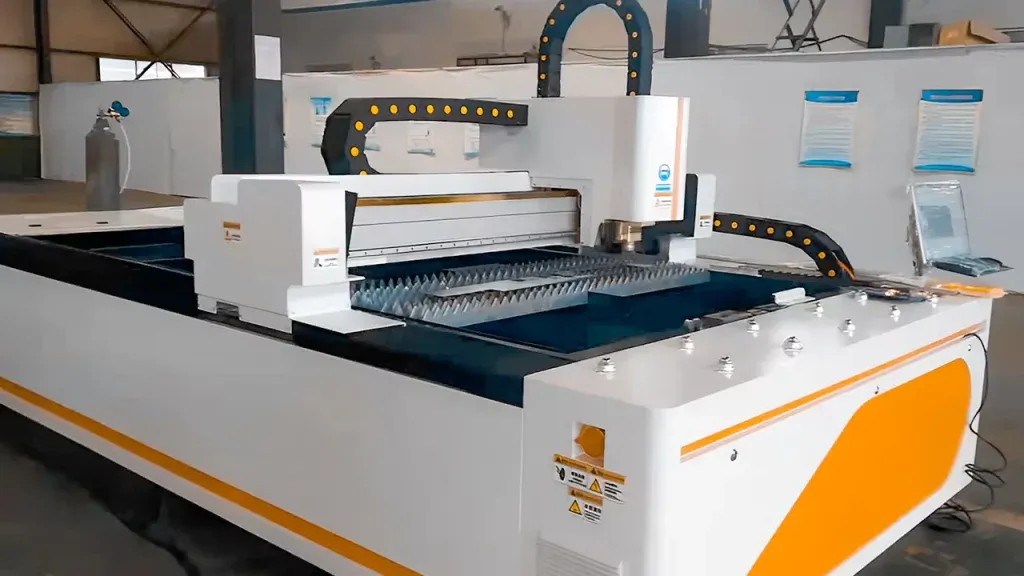
With advancements in automation, artificial intelligence (AI), and smart manufacturing, CNC laser systems continue to improve productivity while reducing material waste and enhancing product quality. Understanding how CNC laser technology works can help manufacturers, engineers, and business owners make informed decisions when selecting equipment for industrial applications.
Note: CNC laser machine specifications, cutting capacity, laser power, compatible materials, software features, and safety requirements vary by manufacturer and application. This article is intended for general educational purposes only.
What Is CNC Laser Technology?
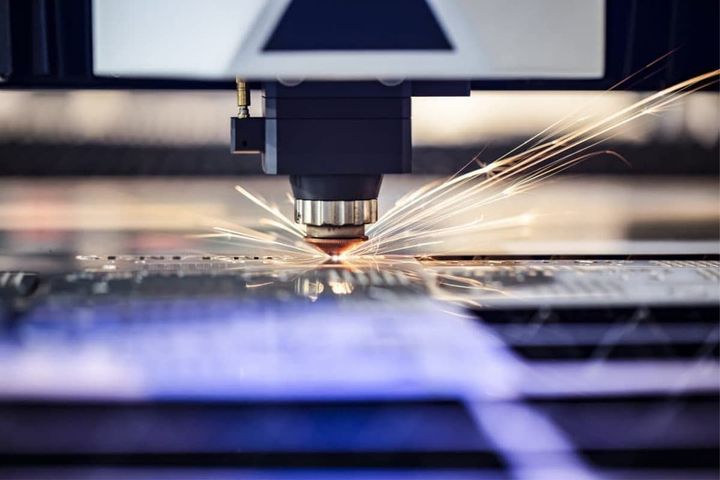
CNC Laser technology uses computer-controlled programming to direct a focused laser beam for cutting, engraving, drilling, or marking materials with high precision. The CNC system follows digital design files to guide the laser head along programmed paths, producing accurate and repeatable results.
CNC laser machines are commonly used with:
Steel
Stainless steel
Aluminum
Brass
Copper
Acrylic
Wood
Plastic
Leather
Certain composite materials
Material compatibility depends on the machine type and laser source.
How CNC Laser Machines Work
The cutting process combines several technologies into one automated system.
Digital Design
A CAD (Computer-Aided Design) file is created and converted into machine instructions using CAM (Computer-Aided Manufacturing) software.
CNC Control System
The CNC controller interprets the program and precisely moves the laser head along the required cutting path.
Laser Generation
The laser source produces a concentrated beam of energy capable of melting, burning, or vaporizing material.
Material Cutting
The focused laser beam removes material with exceptional accuracy while assist gases may help improve cutting quality.
Finished Product
Completed parts often require minimal additional machining due to the precision of laser cutting.
Types of CNC Laser Machines
Different laser technologies are suited to different manufacturing applications.
Fiber Laser
Widely used for cutting and marking metals with excellent speed, efficiency, and precision.
CO₂ Laser
Commonly used for non-metal materials such as wood, acrylic, leather, textiles, paper, and some plastics.
Diode Laser
Frequently used for engraving, light cutting applications, and educational or hobby projects.
UV Laser
Suitable for precision marking on delicate materials and electronic components with minimal heat impact.
The appropriate laser type depends on the material and production requirements.
Benefits of CNC Laser Technology
CNC laser systems offer numerous manufacturing advantages.
Potential benefits include:
High cutting precision
Fast production speeds
Minimal material waste
Consistent product quality
Automated production workflows
Reduced manual intervention
Complex shape cutting
Repeatable manufacturing accuracy
These advantages support efficient production across many industries.
Common Industrial Applications
CNC laser technology is widely used in manufacturing.
Industries include:
Automotive manufacturing
Aerospace engineering
Sheet metal fabrication
Electronics production
Medical device manufacturing
Signage production
Jewelry manufacturing
Furniture production
Industrial equipment manufacturing
Architectural metal fabrication
Each application may require different machine configurations and laser power levels.
Choosing a CNC Laser Machine
Before investing in a CNC laser system, consider several important factors.
Evaluate:
Material compatibility
Laser power
Working area size
Cutting thickness
Software compatibility
Automation capabilities
Maintenance requirements
Energy efficiency
Selecting the appropriate machine depends on production goals and operational requirements.
CNC Laser Overview
| Feature | Primary Benefit |
|---|---|
| CNC Control | Precise automated movement |
| Laser Beam | Accurate cutting and engraving |
| CAD/CAM Integration | Digital manufacturing workflow |
| High-Speed Operation | Improved production efficiency |
| Minimal Waste | Better material utilization |
| Automation | Consistent manufacturing quality |
Best Practices for CNC Laser Operation
Safe and efficient operation requires proper procedures.
Helpful recommendations include:
Follow manufacturer operating guidelines.
Wear appropriate laser safety equipment.
Maintain proper machine calibration.
Clean optical components regularly.
Use suitable assist gases when required.
Perform routine preventive maintenance.
Train operators thoroughly.
Inspect finished parts for quality assurance.
Routine maintenance helps maximize machine performance and lifespan.
Current Industry Trends
Laser manufacturing continues to advance rapidly.
Recent developments include:
Artificial intelligence-assisted cutting optimization
Smart factory integration
Industrial Internet of Things (IIoT) connectivity
Predictive maintenance systems
Automated material handling
Energy-efficient fiber laser technology
Real-time production monitoring
Cloud-based manufacturing analytics
These innovations support higher productivity, improved accuracy, and more efficient industrial operations.
Looking Ahead
The future of CNC Laser technology is expected to include greater automation, AI-powered process optimization, enhanced robotics integration, and improved energy efficiency. As Industry 4.0 continues to expand, CNC laser systems will become even more connected, intelligent, and capable of supporting highly flexible manufacturing environments.
Why Understanding CNC Laser Technology Matters
Understanding CNC Laser technology helps manufacturers evaluate modern production solutions that improve precision, reduce waste, and increase operational efficiency. Whether producing custom components or high-volume industrial products, CNC laser systems provide reliable and scalable manufacturing capabilities.
Conclusion
CNC Laser technology has transformed modern manufacturing by combining computer-controlled precision with advanced laser cutting capabilities. Its ability to produce accurate, repeatable, and high-quality components across a wide range of materials makes it an essential technology for industries around the world. As automation, artificial intelligence, and smart manufacturing continue to evolve, CNC laser systems will remain at the forefront of precision engineering and industrial innovation.