Gas Detectors Essential Insights for Industrial Safety and Environmental Monitoring
Gas leaks and hazardous airborne substances can pose serious risks to workers, facilities, and the environment. Gas Detectors play a critical role in identifying dangerous gas concentrations, helping organizations respond quickly to potential hazards before they become emergencies.
These devices are widely used across industries such as oil and gas, manufacturing, mining, chemical processing, healthcare, wastewater treatment, and construction to support workplace safety and regulatory compliance.
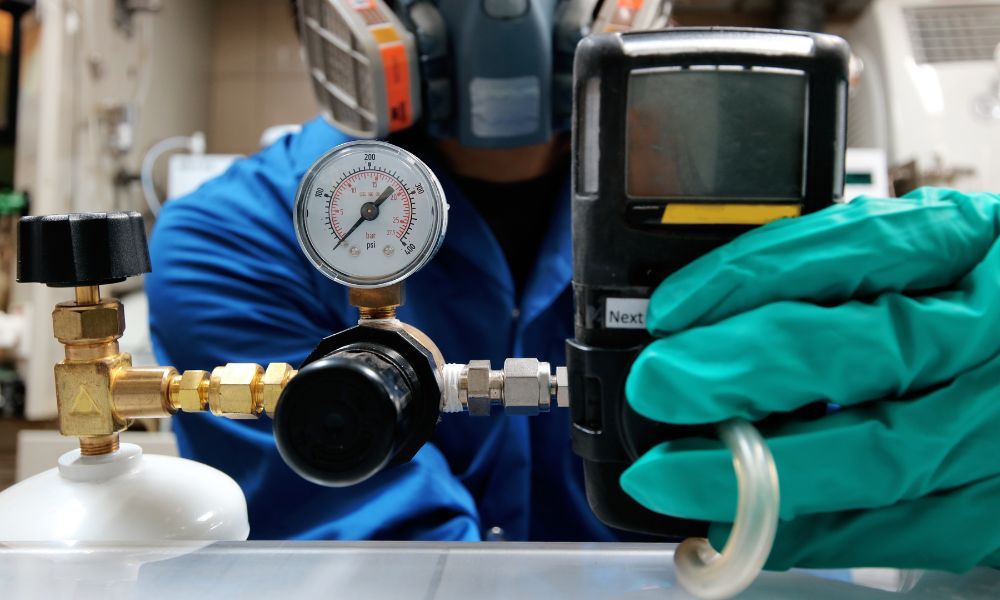
Modern gas detection systems incorporate advanced sensor technologies, wireless connectivity, artificial intelligence (AI), and real-time monitoring to improve accuracy and response times. Understanding how gas detectors work, the different types available, and their industrial applications can help organizations strengthen safety programs and environmental monitoring efforts.
Note: Gas detector specifications, sensor technologies, calibration requirements, certifications, and regulatory standards vary by manufacturer, application, and jurisdiction. This article is intended for general educational purposes only.
What Are Gas Detectors?
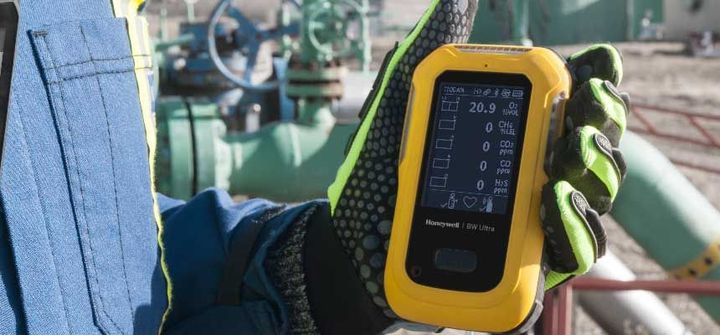
Gas Detectors are electronic devices designed to identify and measure the concentration of specific gases in the surrounding environment. They provide early warnings when gas levels exceed predetermined safety thresholds, allowing workers to take appropriate action.
Gas detectors may be designed to monitor:
Combustible gases
Toxic gases
Oxygen levels
Volatile organic compounds (VOCs)
Refrigerant gases
Carbon dioxide
Hydrogen
Ammonia
The gases monitored depend on the detector type and the workplace environment.
Why Gas Detection Matters
Effective gas monitoring supports workplace safety and operational reliability.
Potential benefits include:
Early leak detection
Improved worker safety
Reduced risk of fire and explosions
Better environmental monitoring
Support for regulatory compliance
Continuous air quality monitoring
Faster emergency response
Improved operational confidence
Gas detection should be integrated into a broader workplace safety program.
How Gas Detectors Work
Gas detection systems use specialized sensors to identify the presence of target gases.
Gas Sampling
The detector continuously or periodically samples the surrounding air.
Sensor Detection
Specialized sensors react to the target gas and measure its concentration.
Signal Processing
The device processes sensor data and compares readings against configured alarm thresholds.
Alarm Activation
If gas concentrations exceed safe limits, the detector activates audible, visual, or vibration alarms.
Monitoring and Reporting
Many modern systems transmit real-time data to centralized monitoring platforms for ongoing analysis.
Types of Gas Detectors
Different applications require different monitoring solutions.
Portable Gas Detectors
Compact devices carried by workers to monitor personal exposure in changing work environments.
Fixed Gas Detectors
Installed permanently to provide continuous monitoring in designated areas or facilities.
Single-Gas Detectors
Designed to monitor one specific gas.
Multi-Gas Detectors
Monitor multiple gases simultaneously, making them suitable for complex industrial environments.
Wireless Gas Detection Systems
Transmit real-time readings to remote monitoring systems using secure wireless communication.
Common Sensor Technologies
Gas detectors use different sensing methods depending on the target gas.
Examples include:
Electrochemical sensors
Infrared (IR) sensors
Catalytic bead sensors
Photoionization detectors (PID)
Semiconductor sensors
Ultrasonic gas leak detection
Each sensor technology is selected based on the gases being monitored and environmental conditions.
Industries Using Gas Detectors
Gas detection systems are used across a wide range of industries.
Common sectors include:
Oil and gas
Chemical manufacturing
Mining
Utilities
Wastewater treatment
Food and beverage processing
Pharmaceutical manufacturing
Construction
Marine operations
Power generation
Each industry has unique monitoring requirements based on its processes and potential hazards.
Gas Detectors Overview
| Feature | Primary Benefit |
|---|---|
| Gas Sensors | Detect hazardous gas concentrations |
| Audible and Visual Alarms | Alert personnel to unsafe conditions |
| Real-Time Monitoring | Continuous environmental assessment |
| Wireless Connectivity | Remote data transmission |
| Data Logging | Record monitoring history |
| Calibration Support | Maintain measurement accuracy |
Best Practices for Gas Detector Use
Proper maintenance and operation help ensure reliable performance.
Helpful recommendations include:
Calibrate detectors according to the manufacturer's guidance.
Perform routine bump tests where recommended.
Replace sensors when required.
Train employees on detector operation.
Inspect equipment before use.
Maintain accurate maintenance records.
Follow workplace safety procedures.
Respond immediately to alarm notifications.
Regular inspection and maintenance support dependable gas detection.
Current Industry Trends
Gas detection technology continues to evolve.
Recent developments include:
Artificial intelligence-assisted gas monitoring
Industrial Internet of Things (IIoT) integration
Cloud-based safety dashboards
Wearable gas monitoring devices
Predictive maintenance analytics
Smart sensor networks
Real-time environmental reporting
Advanced wireless communication systems
These innovations help improve workplace safety, operational efficiency, and environmental compliance.
Looking Ahead
The future of Gas Detectors is expected to include greater automation, AI-powered hazard prediction, expanded wireless connectivity, and more advanced sensor technologies capable of delivering faster and more accurate gas detection. As industrial safety standards continue to evolve, connected gas monitoring systems will play an increasingly important role in protecting workers and the environment.
Why Understanding Gas Detectors Matters
Understanding Gas Detectors helps organizations choose appropriate monitoring solutions, improve workplace safety, and support environmental protection. By integrating reliable gas detection systems with effective safety procedures, businesses can better manage hazardous environments and reduce operational risks.
Conclusion
Gas Detectors are essential safety devices that help identify hazardous gases before they pose serious risks to people, facilities, or the environment. Through advanced sensor technologies, continuous monitoring, and automated alarms, these systems support safer workplaces across a wide range of industries. As smart manufacturing and connected safety technologies continue to advance, gas detection will remain a critical component of industrial safety and environmental monitoring.