Cushion Cut Engagement Rings Guide With Diamond Shapes and Style Insights
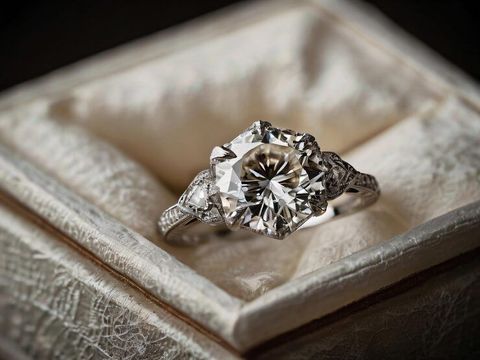
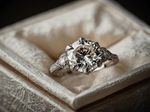
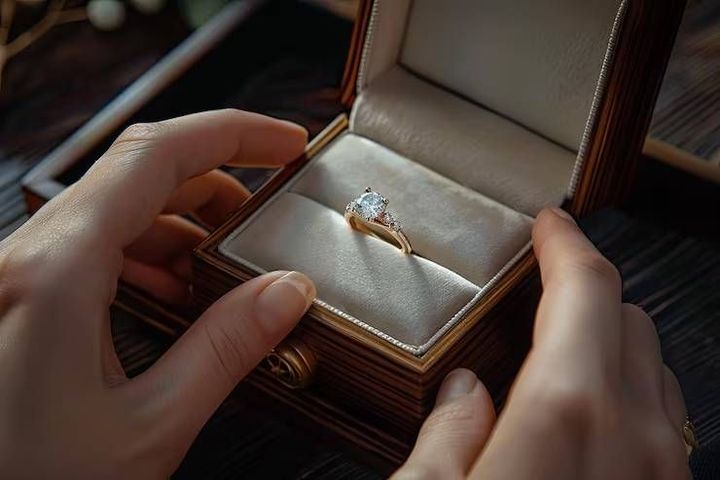
Cushion cut engagement rings combine a square or rectangular outline with rounded corners and a faceted diamond interior. The shape developed from earlier cushion-shaped diamond styles that were associated with softer outlines and larger facets.
Modern cushion cut diamonds are available in several proportions, facet arrangements, and elongated shapes, giving the design a wide range of visual characteristics.
A cushion cut engagement ring can contain either a square cushion or an elongated cushion diamond. Square versions have proportions closer to equal length and width, while elongated versions have a more rectangular appearance. The outline may also range from gently rounded to noticeably curved corners.
Diamond shape and diamond cut describe different characteristics. Shape refers to the visible outline, such as cushion, round, oval, pear, or emerald. Cut relates to how a diamond's facets interact with light. For cushion diamonds, facet arrangement has a significant influence on brightness, contrast, pattern, and the appearance of the stone.
Cushion Cut Characteristics
Cushion diamonds are commonly recognized by their rounded corners and relatively broad appearance. Their larger-looking facets can create noticeable areas of light and dark within the stone.
Several characteristics influence the appearance of a cushion cut engagement ring:
Length-to-width ratio affects whether the diamond looks square or elongated.
Facet pattern influences the distribution of light and contrast.
Depth and table proportions influence how the diamond presents from above.
Corner shape affects the overall softness of the outline.
Symmetry influences how balanced the diamond appears.
Setting style changes the visual relationship between the center diamond and surrounding metal.
The combination of these factors means two cushion diamonds with similar dimensions can still look noticeably different.
Square and Elongated Cushion Shapes
A square cushion generally has a length-to-width ratio close to 1.00. Its appearance can feel compact and balanced, while an elongated cushion has a higher length-to-width ratio and a more rectangular outline.
Elongated cushion diamonds may visually emphasize finger length because of their vertical proportions when positioned in a traditional engagement ring setting. The preferred proportion is largely a matter of personal style rather than a universal rule.
Importance
Cushion cut engagement rings matter to people comparing diamond shapes, ring settings, metal choices, and visual proportions. Understanding the differences between cushion diamonds and other shapes can make diamond terminology easier to interpret.
The shape also affects how a ring interacts with surrounding design elements. A simple solitaire places most visual attention on the center diamond, while halo, side-stone, or three-stone arrangements introduce additional shapes and proportions.
Comparing Diamond Shapes
Cushion, round, oval, pear, emerald, radiant, and princess shapes each produce different visual effects. Cushion diamonds generally have rounded corners, while emerald cuts have long step facets and a more linear appearance.
A comparison can be summarized as follows:
| Diamond Shape | Main Outline | Common Visual Characteristic | Corner Style |
|---|---|---|---|
| Cushion | Square or rectangular | Soft, broad appearance | Rounded |
| Round | Circular | Symmetrical outline | No defined corners |
| Oval | Elongated oval | Lengthened appearance | Curved |
| Emerald | Rectangular | Step-like facet pattern | Usually clipped |
| Pear | Teardrop | Combination of curves and point | One pointed end |
| Princess | Square | Geometric appearance | Sharp |
| Radiant | Square or rectangular | Mixed facet appearance | Usually clipped |
This comparison does not establish a ranking. Each shape reflects different preferences concerning outline, proportions, faceting, and setting design.
Choosing a Ring Setting
The setting holds the diamond in place and contributes to the overall appearance of the ring. Prong settings use small metal supports around the stone, while bezel settings surround the diamond with a metal rim.
Halo settings place smaller stones around the center diamond. Three-stone settings add diamonds or gemstones beside the central stone, while solitaire settings concentrate the design around one main diamond.
The choice of setting also affects practical considerations. Prong arrangements may expose more of the center stone, whereas protective designs can provide additional coverage around the edges.
Metal and Color Considerations
Cushion cut engagement rings can be made using different metals, including platinum, white gold, yellow gold, and rose gold. Metal color can change the visual relationship between the center diamond and the ring structure.
White-toned metals may create a continuous appearance around a colorless-looking diamond. Yellow and rose metals create stronger contrast and can introduce a warmer visual character. The choice depends on the intended style and the properties of the materials.
Recent Updates
From 2024 through 2026, engagement ring design has continued to include a broad mix of traditional and contemporary styles. Cushion diamonds remain part of this wider design landscape, with greater attention to elongated proportions, distinctive settings, laboratory-grown diamonds, vintage-inspired details, and personalized ring structures.
Elongated Cushion Trends
Elongated cushion diamonds have received attention because their rectangular proportions provide an alternative to the classic square cushion. The longer outline can work with solitaire, three-stone, halo, and side-stone designs.
Designers may also use elongated cushions with vertically oriented settings or contrasting side stones. These arrangements allow the central diamond's proportions to become part of the overall ring design.
Vintage-Inspired Designs
Cushion diamonds are often associated with older diamond-cut traditions, making them suitable for designs that incorporate vintage-inspired details. Milgrain edges, engraved surfaces, delicate shoulders, and smaller accent stones can create historical visual references without reproducing a particular antique ring.
The balance between decorative details and the center diamond remains an important consideration. Highly detailed settings can create a different appearance from clean, minimal structures.
Laboratory-Grown Diamonds
Laboratory-grown diamonds have become increasingly visible within the broader diamond market. They have essentially the same crystal structure and chemical composition as natural diamonds, although their origins differ.
For consumers comparing diamonds, the distinction between natural and laboratory-grown stones involves origin, documentation, grading information, and market characteristics. A laboratory-grown cushion diamond can be evaluated using many of the same visual characteristics as a natural cushion diamond, including shape, proportions, symmetry, polish, and clarity.
Digital Ring Visualization
Digital tools have also changed how people examine ring designs. Three-dimensional models, virtual ring builders, proportion calculators, and digital diamond viewing systems can help users understand how different cushion shapes and settings may appear together.
These tools are useful for visualization, but digital representations may not reproduce the exact appearance of a physical diamond under different lighting conditions.
Laws or Policies
Engagement rings and diamonds can be affected by consumer protection rules, product disclosure requirements, precious-metal standards, diamond-origin regulations, and rules governing advertising claims. Specific requirements differ between jurisdictions.
Diamond Disclosure
Diamond documentation may identify characteristics such as shape, measurements, color, clarity, cut information where applicable, polish, symmetry, fluorescence, and grading details. The terminology used can vary depending on the grading organization and jurisdiction.
Consumers should distinguish between independently documented characteristics and descriptive marketing language. Statements about diamond quality should be supported by appropriate documentation where required.
Laboratory-Grown and Natural Diamonds
Rules in many markets require clear disclosure when a diamond is laboratory-grown rather than naturally formed. The distinction concerns origin rather than whether the material is technically a diamond.
Jewelry containing treated diamonds or other gemstones may also require appropriate disclosure. Treatment can include processes intended to alter a stone's appearance or characteristics, and applicable disclosure rules vary by jurisdiction.
Precious Metal Standards
Rings made from gold, platinum, or other regulated metals can be subject to purity or hallmarking requirements depending on the jurisdiction. Hallmarks may identify metal purity, manufacturing information, or an authorized testing system.
Because regulations differ internationally, buyers and retailers generally need to follow the rules applicable to the location where the jewelry is manufactured, advertised, or distributed.
Tools and Resources
Several tools can help readers understand cushion cut engagement rings and compare design characteristics. Diamond proportion calculators can display relationships between length, width, depth, table, and other measurements.
Ring visualization platforms can show how different diamond shapes interact with settings and metal colors. Digital sizing tools can provide an initial reference for ring dimensions, although physical sizing methods may produce more precise results.
Useful resources and tools include:
Diamond grading reports
Diamond proportion calculators
Ring size charts
Three-dimensional ring configurators
Jewelry measurement guides
Metal purity references
Diamond shape comparison charts
Setting design templates
Gemstone identification resources
Jewelry care guides
A grading report can provide structured information about an individual diamond. It should be considered separately from photographs, digital renderings, or descriptive terminology.
Understanding Proportions
Length-to-width ratio is particularly useful when comparing cushion diamonds. It can be calculated by dividing the diamond's length by its width.
For example, a diamond measuring 8 millimeters long and 6 millimeters wide has a length-to-width ratio of approximately 1.33. A diamond measuring 7 millimeters by 7 millimeters has a ratio of 1.00 and presents a more square outline.
Proportions should not be considered in isolation. Facet structure, symmetry, depth, table, transparency, and the interaction of the diamond with its setting can also influence its appearance.
FAQs
What is a cushion cut engagement ring?
A cushion cut engagement ring features a diamond with a square or rectangular outline and rounded corners. The diamond can have different facet arrangements and proportions, creating variations in light pattern and appearance.
What is the difference between a square and elongated cushion diamond?
A square cushion has length and width measurements that are relatively close, while an elongated cushion has a greater length-to-width ratio. The elongated version has a more rectangular visual profile.
Which diamond shapes are similar to cushion cuts?
Radiant and princess diamonds can have square or rectangular outlines, but their corner structures and facet arrangements differ. Oval diamonds share some rounded characteristics but have no defined corners.
How should cushion cut diamond proportions be compared?
Length-to-width ratio, depth, table, symmetry, measurements, and facet pattern can all be examined. There is no single proportion that determines suitability for every ring design.
Are laboratory-grown cushion diamonds different from natural cushion diamonds?
Their origins are different. Laboratory-grown diamonds are produced through technological processes, while natural diamonds form through geological processes. Both can have a cushion shape and can be evaluated for characteristics such as dimensions, clarity, and other grading factors.
Conclusion
Cushion cut engagement rings combine rounded corners, square or elongated proportions, and varied diamond facet patterns. Ring appearance depends on the center diamond, proportions, setting, metal, accent stones, and overall design structure. Recent design trends include elongated cushions, vintage-inspired details, laboratory-grown diamonds, and digital visualization tools. Diamond documentation, disclosure rules, metal standards, and applicable jewelry regulations are also important parts of understanding the category.