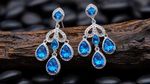
Jewellery Insurance Guide With Policy Conditions, Coverage Details, and Claims Process
Jewellery insurance is a type of financial protection designed to help individuals manage certain losses involving valuable personal ornaments. It may cover items such as gold necklaces, diamond rings, pearl earrings, bracelets, gemstone pendants, and inherited family jewellery.
The protection depends on the policy wording, the declared value of the items, and the circumstances surrounding a loss.
The concept developed from the need to protect valuable possessions against unexpected events, including theft, accidental damage, fire, and other specified risks. Jewellery can carry financial, cultural, emotional, and historical significance, making its loss particularly difficult for households.
Unlike general household insurance, a dedicated jewellery insurance policy may provide coverage tailored to individual pieces or collections. Some household policies also include jewellery protection, although they may impose limits on individual items or the total amount payable for a claim.
Understanding jewellery insurance requires familiarity with policy conditions, coverage exclusions, valuation documents, premiums, and claims procedures. These factors help explain how protection operates and why the actual benefits can differ between insurance arrangements.
How Jewellery Insurance Works
An insurer assesses the information provided about jewellery before determining the terms of coverage. Depending on the policy, the assessment may consider the item's material, current valuation, age, gemstone characteristics, storage arrangements, and intended use.
The policyholder pays a premium in exchange for protection against specified risks. If a covered incident occurs, the policyholder submits a claim with supporting evidence, and the insurer evaluates whether the circumstances meet the policy requirements.
The final settlement depends on the contract, applicable limits, deductibles, depreciation provisions, and available evidence. A policy does not automatically cover every type of loss involving jewellery.
Importance
Who Needs Jewellery Insurance
Jewellery insurance can be relevant to individuals who own valuable ornaments, families with inherited collections, collectors of precious gemstones, and people who regularly wear expensive accessories. It may also be relevant to households that keep jewellery for ceremonial occasions or long-term family use.
The potential need depends on the value of the collection, how frequently the items are worn, where they are stored, and the financial effect of replacing them. A modest collection may be adequately covered by an existing household policy, while a collection containing several high-value pieces may require more specific arrangements.
Risks Addressed by Jewellery Coverage
Jewellery may be exposed to several risks during daily use, travel, storage, and special occasions. Depending on the policy wording, protection may include:
Theft and burglary: Loss following a qualifying theft or unlawful entry.
Accidental loss: Certain policies cover individual pieces that are accidentally lost.
Physical damage: Some plans cover accidental breakage or damage to jewellery settings and gemstones.
Fire and specified disasters: Protection may apply when jewellery is damaged or destroyed by an insured event.
Loss during travel: Selected policies extend protection beyond the usual residence, subject to geographical limits and exclusions.
Not every policy includes all these protections. For example, unexplained disappearance, ordinary wear and tear, gradual deterioration, and damage resulting from inadequate maintenance may be excluded.
Financial and Documentation Considerations
A jewellery claim can involve questions about ownership, authenticity, valuation, and the circumstances of the incident. Purchase invoices, professional valuation reports, photographs, gemstone certificates, and repair records can help establish the item's identity and declared value.
Keeping these records in a secure location separate from the jewellery can simplify the documentation process. Updated valuations are also relevant because precious metal prices, gemstone characteristics, craftsmanship, and market conditions can change over time.
Recent Updates
Changing Trends in Jewellery Insurance
Recent developments in the insurance sector reflect broader changes in digital documentation, risk assessment, and customer expectations. During 2024–2026, digital policy administration, electronic document submission, and remote claim assessment have remained relevant areas of development across many insurance markets.
Some insurers allow customers to maintain digital inventories containing photographs, valuation records, descriptions, and ownership documents. Depending on the provider, these records may help with policy reviews and claims documentation, although they do not replace the insurer's formal evidence requirements.
Valuation and Risk Assessment
Insurers increasingly have access to digital tools that support document verification, fraud detection, and risk assessment. However, the availability and use of these technologies vary between companies and jurisdictions.
Jewellery valuation remains an important consideration because replacement value, resale value, and insured value are not necessarily identical. Policies may use different settlement methods, including repair, replacement, or monetary compensation, depending on the terms of the contract.
Another continuing trend is greater attention to jewellery kept outside the home. Travel, temporary storage, exhibitions, and frequent wearing may create different risks from those associated with securely stored items. Policyholders therefore need to understand geographical restrictions and any requirements concerning safes, security systems, or unattended property.
Laws or Policies
Regulatory Framework for Jewellery Insurance
Jewellery insurance is generally governed by the insurance laws, consumer protection rules, and regulatory requirements applicable in the jurisdiction where the policy is issued. These frameworks typically address insurer authorization, policy disclosures, claim handling, complaints, and the responsibilities of policyholders.
The exact requirements vary by country. Some jurisdictions regulate the wording and presentation of insurance contracts, while others provide specific procedures for resolving disputes between insurers and customers.
Insurance contracts commonly define the insured property, covered events, exclusions, claim notification requirements, deductibles, and maximum settlement amounts. These provisions determine how a claim is assessed and what compensation may be payable.
Policy Conditions and Exclusions
Policy conditions describe the circumstances under which coverage applies and the responsibilities of the policyholder. Common conditions include accurate disclosure of the jewellery's value, reasonable security precautions, prompt notification of incidents, and submission of requested supporting documents.
Policy component | What it generally means |
|---|---|
Sum insured | The maximum amount specified for the insured property, subject to policy terms |
Premium | The amount paid for the insurance coverage |
Deductible | The portion of an eligible loss borne by the policyholder |
Coverage territory | The geographical area in which protection applies |
Exclusions | Events or circumstances that are not covered |
Valuation basis | The method used to determine the item's insured or settlement value |
Claim deadline | The applicable period for notifying the insurer or submitting required documents |
The sum insured should not automatically be interpreted as the amount payable for every claim. Settlement may depend on the policy's valuation method, evidence of the loss, applicable sublimits, and any deductible.
Claims, Complaints, and Disputes
A policyholder generally needs to notify the insurer within the specified period after discovering a covered incident. For theft, the insurer may request a police report or other official documentation, while accidental damage may require photographs, an inspection, or a repair assessment.
If a claim is declined or the settlement is disputed, the policyholder can review the insurer's written explanation and use the complaint or dispute-resolution process applicable in the relevant jurisdiction. The available options may include an internal complaints department, an insurance ombudsman, or another authorized dispute-resolution body.
Tools and Resources
Jewellery Valuation and Inventory Tools
Several types of tools can help policyholders organize information and understand their insurance arrangements. Their usefulness depends on the quality of the information entered and the terms accepted by the insurer.
Jewellery valuation reports: Documents prepared by qualified jewellery appraisers or gemmologists can describe the item's materials, gemstones, craftsmanship, and estimated value.
Digital inventory spreadsheets: These can record item descriptions, photographs, identifying marks, invoice details, and valuation dates.
Premium calculators: Insurer-provided calculators may estimate premiums based on declared values, coverage choices, location, and other underwriting factors.
Policy comparison tools: These help organize differences in coverage limits, exclusions, deductibles, geographical restrictions, and settlement methods.
Claim tracking platforms: Some insurers provide digital dashboards for submitting documents, checking claim status, and reviewing requests for additional information.
Documents to Maintain
An organized jewellery record can help establish ownership and support insurance administration. Useful documents include:
Purchase invoices and receipts, where available.
Recent valuation reports and gemstone certificates.
Clear photographs showing the item's appearance and identifying features.
Existing insurance schedules and policy documents.
Repair assessments, maintenance records, and previous claim correspondence.
Documents should be stored securely, with appropriate backups and access controls. Sensitive information, including addresses, policy numbers, and detailed descriptions of valuable collections, should not be shared publicly.
Comparing Insurance Arrangements
A structured comparison can make policy differences easier to understand. The following example illustrates the questions that may be relevant when reviewing two hypothetical arrangements.
Comparison factor | Arrangement A | Arrangement B |
|---|---|---|
Coverage scope | Named risks only | Broader accidental-loss protection, subject to exclusions |
Jewellery valuation | Specified value per item | Individual valuation or an agreed schedule |
Travel protection | Limited geographical coverage | Extended territory, subject to conditions |
Deductible | Applies to eligible claims | May vary by claim type |
Documentation | Invoice and ownership evidence | Valuation report and ownership evidence |
Settlement method | Defined in the contract | Repair, replacement, or payment, as specified |
These examples are illustrative rather than descriptions of actual insurance products. A meaningful comparison also considers exclusions, claim limits, renewal conditions, and how the insurer calculates the settlement amount.
FAQs
What Does Jewellery Insurance Cover?
Jewellery insurance may cover theft, accidental loss, accidental damage, fire, or other specified events. The exact protection depends on the policy, and exclusions or individual-item limits may apply.
How Is the Value of Jewellery Determined for Insurance?
Insurers may consider a professional valuation, purchase documentation, item characteristics, and the policy's valuation method. Replacement value and resale value can differ, so the applicable valuation basis should be clearly stated in the contract.
What Documents Are Required for a Jewellery Insurance Claim?
Common documents include the policy schedule, proof of ownership, photographs, valuation reports, and evidence of the incident. A theft claim may require a police report, while a damage claim may require an inspection or repair estimate.
Does Jewellery Insurance Cover Items Lost While Travelling?
Some policies cover jewellery during domestic or international travel, while others restrict protection to specified locations. Geographical limits, unattended-property exclusions, and security conditions can affect eligibility.
How Are Jewellery Insurance Claims Settled?
Depending on the policy, the insurer may authorize repairs, arrange replacement, or pay an eligible monetary settlement. The outcome depends on the evidence, coverage limits, deductible, valuation provisions, and applicable exclusions.
Conclusion
Jewellery insurance provides a structured way to manage specified financial risks involving valuable ornaments and collections. Its practical value depends on the scope of coverage, valuation method, policy exclusions, and responsibilities associated with filing a claim. Accurate inventories, current valuation records, and clear ownership documentation can support the administration of a policy. Understanding the contract helps individuals distinguish between insured events and losses that fall outside the agreed protection.