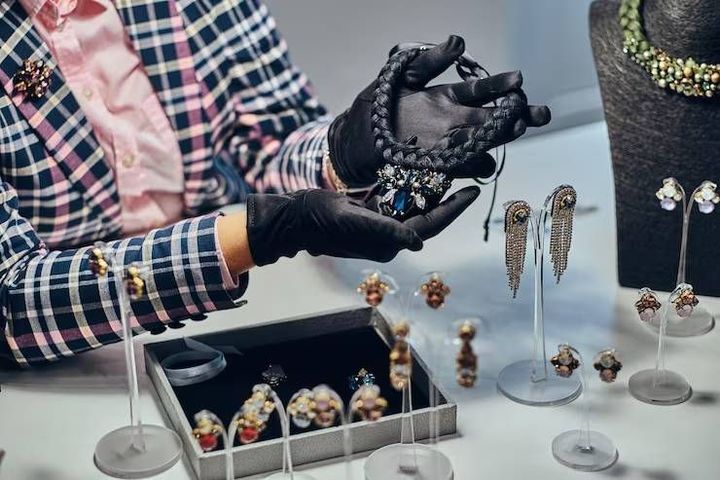
Designer Jewelry Explained With Popular Designs, Materials, and Fashion Trends
Designer jewelry combines artistic design, craftsmanship, materials, and changing fashion preferences. It can include rings, necklaces, bracelets, earrings, pendants, brooches, and other decorative pieces created around a particular design concept.
Unlike mass-produced accessories, designer jewelry often places greater attention on visual identity, detailed construction, material selection, and the creative ideas behind a collection. Today, designer jewelry appears across many fashion settings and can reflect personal style, cultural influences, craftsmanship traditions, and contemporary design movements.
Context
What Designer Jewelry Means
Designer jewelry refers to decorative pieces developed through a deliberate creative design process. A designer may work with metals, gemstones, pearls, enamel, ceramics, glass, wood, recycled materials, or combinations of different materials. The design process can involve sketches, computer-aided modeling, prototypes, stone placement, metal shaping, surface finishing, and quality inspection.
The concept has roots in long-established jewelry traditions. Jewelry has historically been used for decoration, cultural expression, ceremonies, personal identity, and symbolic purposes. Over time, individual designers and specialized workshops introduced distinctive shapes, techniques, and artistic approaches.
Modern designer jewelry includes both traditional craftsmanship and contemporary production methods. Some pieces are produced through hand fabrication, while others use technologies such as 3D modeling, precision casting, laser engraving, and computer-controlled cutting.
Popular Designer Jewelry Categories
Different jewelry categories serve different styling preferences and practical uses. Common forms include:
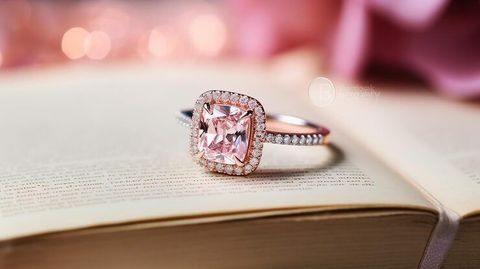
- Rings, including statement rings, bands, cocktail designs, and gemstone rings
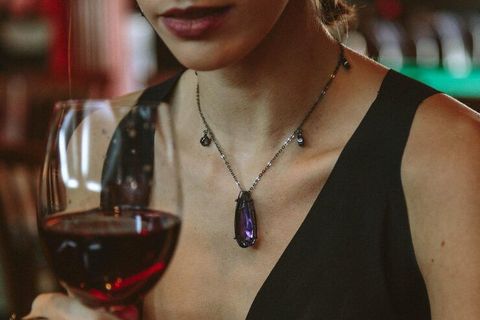
- Necklaces, including pendants, chains, chokers, and layered designs
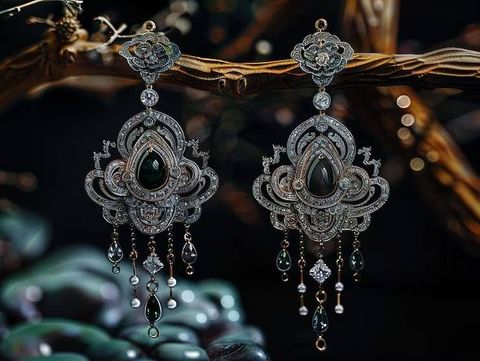
- Earrings, ranging from small studs to larger sculptural forms
- Bracelets, including cuffs, chains, bangles, and articulated designs
- Brooches, which can function as decorative fashion accessories
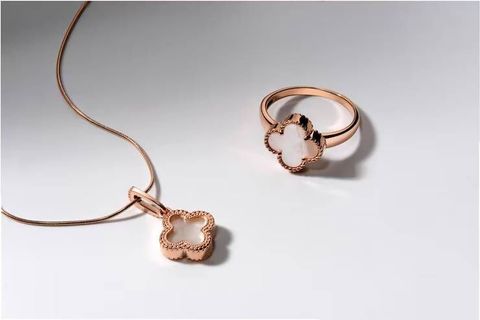
- Pendants, often designed around gemstones, symbols, shapes, or artistic motifs
Designers may also create coordinated collections where several pieces share colors, materials, patterns, or geometric elements.
Materials Used in Designer Jewelry
Material selection strongly affects the appearance, durability, weight, and maintenance requirements of jewelry. Precious metals such as gold, silver, and platinum remain widely associated with fine jewelry, while stainless steel, titanium, brass, and other metals are also used in contemporary designs.
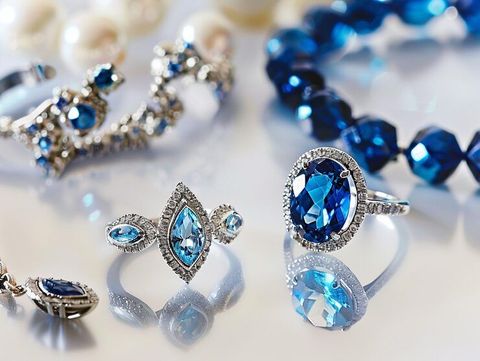
Gemstones can include diamonds, sapphires, rubies, emeralds, quartz varieties, and many other mineral materials. Pearls, enamel, ceramic components, colored glass, and alternative materials have also become part of modern jewelry design.
| Material | Common Characteristics | Typical Design Uses |
|---|---|---|
| Gold | Malleable and corrosion resistant | Rings, chains, earrings |
| Silver | Bright appearance and workable surface | Bracelets, pendants, rings |
| Platinum | Dense and durable metal | Fine rings and settings |
| Titanium | Lightweight and strong | Contemporary rings and accessories |
| Pearls | Smooth surface and organic origin | Earrings, necklaces |
| Gemstones | Wide range of colors and hardness | Rings, pendants, statement pieces |
| Enamel | Colored glass-like decorative coating | Brooches, earrings, pendants |
Material characteristics can vary significantly depending on composition, treatment, manufacturing technique, and environmental exposure.
Importance
Personal Style and Fashion
Designer jewelry can contribute to an individual's overall appearance by introducing color, texture, shape, or contrast. A simple outfit can have a different visual character when paired with geometric earrings, a layered necklace, or a sculptural bracelet.
Fashion preferences also influence jewelry design. Some people prefer understated pieces with clean lines, while others choose larger forms with unusual shapes or contrasting materials.
Craftsmanship and Design Skills
Jewelry design involves several technical and creative skills. Designers need to understand proportions, material behavior, stone placement, structural strength, finishing methods, and wearability.
Craftsmanship is particularly important for pieces containing small components or detailed settings. Secure connections, smooth surfaces, balanced proportions, and appropriate finishing can affect how a piece performs during everyday use.
Cultural and Artistic Expression
Jewelry can communicate cultural traditions, artistic ideas, historical influences, or personal symbolism. Traditional patterns may be adapted into contemporary forms, while modern designers may draw inspiration from architecture, nature, technology, or abstract art.
This creates a wide design landscape where jewelry can function as both a fashion accessory and a small-scale artistic object.
Practical Considerations
Choosing jewelry also involves practical factors such as skin sensitivity, maintenance, durability, weight, and frequency of use. Some materials can require more careful handling than others, particularly when they have softer surfaces or specialized finishes.
For everyday wear, factors such as clasp construction, stone security, metal composition, and resistance to moisture can be relevant. Jewelry intended for occasional use may prioritize visual complexity over long-term exposure resistance.
Recent Updates
Growing Interest in Contemporary Forms
Recent jewelry trends have increasingly included sculptural shapes, asymmetrical designs, mixed metals, oversized forms, and minimal geometric patterns. Designers are also experimenting with unusual combinations of materials and textures.
Layering remains an important styling approach. Multiple necklaces, bracelets, or rings can be combined to create different visual arrangements without changing individual pieces.
Digital Jewelry Design
Digital design technologies have changed how many jewelry concepts are developed. Computer-aided design allows detailed three-dimensional models to be created before physical production begins.
3D printing and digital casting workflows can also help create complex shapes that may be difficult to produce through traditional techniques. These technologies can be used alongside hand finishing rather than completely replacing craftsmanship.
Material Transparency and Traceability
Interest in material origin and production practices has become more visible across the jewelry sector. Consumers increasingly encounter information about metal composition, gemstone characteristics, recycled materials, and supply-chain documentation.
This trend has also increased attention toward laboratory-created gemstones and alternative materials. Such materials can have different physical, chemical, and manufacturing characteristics from naturally formed stones, so clear labeling remains important.
Changing Fashion Preferences
Current jewelry styling increasingly combines traditional and contemporary elements. Vintage-inspired shapes may appear alongside modern geometric pieces, while neutral metal tones can be combined with colored gemstones or enamel.
Personalization is another continuing trend. Initials, symbolic shapes, customized proportions, and individually selected stones allow jewelry to reflect personal preferences without relying on a single fashion style.
Laws or Policies
Material Disclosure
Jewelry regulations vary by jurisdiction, but many markets have rules concerning material descriptions, metal purity, gemstone identification, labeling, and consumer information. These requirements are intended to reduce confusion about what a piece contains.
Precious-metal marking systems may indicate the purity or composition of a metal. Where hallmarking applies, authorized testing and marking procedures can provide information about metal content.
Gemstone Identification
Rules and industry standards may require clear disclosure when gemstones have been treated, laboratory-created, reconstructed, or otherwise altered. The terminology used for these categories can differ between jurisdictions.
Consumers and businesses should therefore review the applicable jewelry-marking and disclosure requirements in their relevant market.
Consumer Protection
General consumer protection frameworks can apply to jewelry transactions, including requirements concerning accurate descriptions, product information, pricing disclosures, warranties, returns, and misleading representations.
Businesses involved in jewelry production or distribution may also need to follow rules related to product safety, taxation, import procedures, precious-metal controls, or environmental requirements, depending on jurisdiction.
Tools and Resources
Jewelry Design Software
Computer-aided design platforms can help users create three-dimensional jewelry models. These tools can display dimensions, proportions, stone placement, and structural details before production.
Ring and Jewelry Measurement Tools
Digital sizing tools, ring-size charts, calipers, and measurement guides can help determine dimensions. Measurements should be interpreted carefully because sizing systems can differ between regions and manufacturers.
Gemstone Reference Tools
Gemstone databases and identification resources can provide information about hardness, color, optical properties, treatments, and common varieties. Professional identification may require specialized equipment when material authenticity or treatment status is important.
Jewelry Care Guides
Care resources can explain appropriate cleaning and storage practices for different metals and gemstones. Some stones are more sensitive to heat, chemicals, impact, or sudden temperature changes than others.
Design Templates
Sketch templates and digital jewelry design libraries can help beginners understand proportions, symmetry, stone placement, and component relationships. These resources can also be useful for studying how different design concepts translate into physical forms.
FAQs
What is designer jewelry?
Designer jewelry refers to jewelry developed around a specific creative concept, design language, or artistic approach. It can include rings, necklaces, earrings, bracelets, pendants, and other decorative pieces.
What materials are commonly used in designer jewelry?
Common materials include gold, silver, platinum, stainless steel, titanium, pearls, diamonds, colored gemstones, enamel, ceramics, glass, and other decorative materials. Material selection depends on the intended design and physical characteristics.
What are popular designer jewelry trends?
Current designer jewelry trends include sculptural shapes, mixed metals, layered necklaces, geometric forms, personalized elements, colorful gemstones, and combinations of traditional craftsmanship with digital design methods.
How is designer jewelry different from ordinary jewelry?
The distinction generally relates to the design process, creative direction, craftsmanship, materials, and production methods. Designer jewelry may place greater emphasis on a recognizable design concept or collection identity.
How should designer jewelry be maintained?
Maintenance depends on the materials used. Jewelry should generally be stored appropriately, protected from unnecessary impact and harsh chemicals, and cleaned according to the requirements of its metals, gemstones, pearls, or other components.
Conclusion
Designer jewelry combines artistic concepts, craftsmanship, materials, and changing fashion preferences. Popular designs range from traditional rings and necklaces to contemporary sculptural pieces using metals, gemstones, pearls, enamel, and alternative materials. Recent developments include digital design, personalized forms, mixed materials, and increased attention to material information. Regulations concerning labeling, metal purity, gemstone disclosure, and consumer protection vary across jurisdictions and shape how jewelry is represented and handled.