Destination Wedding Luxury Travel Explained With Venues, Resorts, and Travel Planning
Destination wedding luxury travel combines a wedding celebration with travel, accommodation, local experiences, and event planning in a location away from the couple's usual home area. Instead of holding the ceremony near their residence, couples may choose a beach, mountain, historic property, island, vineyard, resort, or other distinctive setting.
Destination weddings developed alongside international tourism, resort travel, and improvements in air transportation. As travelers became more interested in combining celebrations with holidays, hotels and resorts began developing event spaces, accommodation arrangements, dining programs, and planning resources for wedding groups.
Luxury travel in this context generally refers to a higher level of accommodation, private spaces, personalized itineraries, distinctive surroundings, and carefully coordinated travel arrangements. It does not necessarily mean that every element must be elaborate. A destination wedding can use a simple ceremony while incorporating premium accommodation or selected private experiences.
Choosing a Destination
The destination influences almost every part of the wedding experience. Couples may consider coastal destinations for outdoor ceremonies, historic cities for architectural settings, mountain regions for scenic surroundings, or island locations for a more secluded atmosphere.
Important destination factors include:
Accessibility for international and domestic travelers
Seasonal weather patterns
Local transportation
Accommodation capacity
Venue availability
Legal marriage requirements
Language and cultural considerations
Guest mobility needs
Local event regulations
Nearby medical and emergency facilities
The destination should also work for the guests who are expected to attend. Long travel times, multiple connections, difficult ground transportation, or limited accommodation can influence attendance and planning.
Types of Wedding Venues
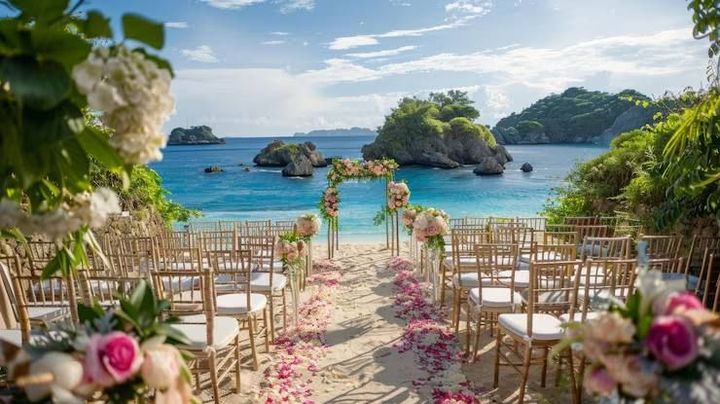
Destination wedding venues vary widely. Beach resorts can provide coastal ceremonies and reception spaces, while historic properties may provide architectural settings and indoor event areas.
Other possibilities include:
Private villas
Mountain resorts
Island resorts
Historic estates
Urban hotels
Garden venues
Vineyards
Country properties
Private event spaces
Cruise or yacht settings where legally appropriate
Venue selection involves more than appearance. Couples also need to examine guest capacity, weather backup arrangements, accessibility, event restrictions, accommodation proximity, transportation, and local legal requirements.
Importance
Destination wedding luxury travel matters because a wedding involving guests from different locations requires coordination across several travel and event-planning areas. Flights, accommodation, ground transportation, ceremony schedules, meals, cultural activities, and event logistics may all need to be considered together.
The planning process affects couples, guests, venue operators, accommodation providers, transportation companies, event professionals, and local communities. A wedding group can also interact with local restaurants, cultural attractions, guides, and other parts of the tourism economy.
Guest Experience
Guests may spend several days at the destination rather than attending a single ceremony. This creates opportunities for shared meals, sightseeing, cultural activities, beach or nature excursions, and informal gatherings.
A clear itinerary can help guests understand when they need to travel, where events take place, what clothing may be appropriate, and how much personal time is available. It can also reduce confusion when several activities are scheduled across different locations.
Travel Planning
International destination weddings require attention to travel documentation and timing. Depending on nationality and destination, guests may need passports, visas, entry permits, health documentation, or other travel records.
Flight schedules should be considered alongside check-in times, venue schedules, and transportation arrangements. Guests arriving from different regions may also experience time-zone changes and varying travel durations.
Accommodation and Resort Planning
Resorts can simplify destination wedding logistics when accommodation, dining, event spaces, and leisure activities are located within one property. Hotels and private properties may provide different layouts, room categories, event areas, and guest capacities.
A group may require a combination of rooms, suites, villas, or nearby accommodation. Planning should also consider guests with mobility requirements, families with children, older travelers, and people who may need quieter rooms.
Recent Updates
From 2024 through 2026, destination wedding travel has continued to reflect broader tourism trends such as personalized itineraries, smaller gatherings, multi-day celebrations, outdoor venues, and digital planning. Couples increasingly use online communication and planning tools to coordinate guests who live in different locations.
Multi-Day Wedding Experiences
A destination wedding may now extend beyond the main ceremony. Couples can organize several connected events, such as a welcome gathering, rehearsal meal, ceremony, reception, farewell breakfast, or optional sightseeing activity.
This format changes the planning process because the destination needs enough accommodation, dining capacity, transportation options, and activities to support guests over multiple days.
Outdoor and Nature-Based Venues
Outdoor ceremonies remain an important part of destination wedding planning. Beaches, gardens, terraces, mountains, forests, and countryside properties can provide distinctive settings.
Weather planning is particularly important for outdoor events. A venue may need indoor space, covered areas, alternative ceremony locations, or flexible scheduling when rain, wind, heat, or other conditions affect the planned arrangement.
Digital Planning
Digital tools have become an important part of wedding travel coordination. Couples can use online guest lists, shared itineraries, digital maps, video meetings, travel calendars, and electronic invitations to communicate with attendees.
Virtual venue tours can also help couples understand layouts before visiting in person. However, digital information may not show every practical detail, so physical conditions, accessibility, noise levels, transportation routes, and event restrictions still require attention.
Personalized Travel Itineraries
Luxury destination weddings increasingly connect the ceremony with activities that reflect the couple's interests. Examples include cultural tours, food experiences, nature excursions, wellness activities, private dining, or guided sightseeing.
These activities can be optional so that guests have flexibility. A balanced itinerary generally distinguishes between scheduled wedding events and personal travel time.
Laws or Policies
Destination weddings are influenced by marriage laws, immigration rules, tourism regulations, venue requirements, taxation rules, environmental regulations, and local event policies. The exact requirements vary substantially between countries and sometimes between regions within the same country.
Marriage Requirements
Legal marriage procedures can differ significantly between destinations. Some jurisdictions require residency periods, official documentation, translated records, witnesses, medical documents, or appointments with local authorities.
A symbolic ceremony may have different requirements from a legally recognized marriage. Couples sometimes complete legal formalities in their home jurisdiction and hold a separate ceremonial event abroad, depending on their circumstances and destination rules.
Travel and Immigration
Guests traveling internationally may need valid passports and appropriate entry permissions. Visa requirements can vary according to nationality, travel purpose, destination, and length of stay.
Travel documents should be checked using current official information because immigration policies can change. Guests should also consider transit requirements when flights involve connections through additional countries.
Venue and Event Regulations
Local authorities may regulate outdoor events, amplified music, alcohol, temporary structures, photography equipment, fireworks, beach access, vehicle movement, or gatherings in protected areas.
Environmental rules can be particularly relevant for beaches, forests, historic locations, and protected landscapes. Waste management, noise levels, construction of temporary structures, and access to sensitive areas may be controlled.
Cultural Considerations
Wedding customs vary around the world. Clothing, photography, religious spaces, ceremonies, food practices, and public behavior may be governed by local traditions or venue rules.
Respect for local culture is especially important when ceremonies take place near religious or historically significant locations. Couples and guests should follow instructions provided by local authorities and venue management.
Tools and Resources
Destination wedding planning involves several types of digital and physical resources. Travel planning platforms can help organize flights, accommodation, transportation, and guest information, while spreadsheet templates can track invitations, room arrangements, travel details, and event schedules.
Mapping applications can help identify distances between airports, resorts, venues, restaurants, and attractions. Weather applications can provide seasonal information for outdoor event planning.
Useful resources include:
Guest list spreadsheets
Wedding itinerary templates
Travel calendars
Digital invitation platforms
Accommodation planning worksheets
Flight schedule tools
Currency conversion tools
Digital maps
Weather applications
Venue floor plans
Seating arrangement templates
Document checklists
Transportation schedules
A simplified planning comparison can help illustrate how venue types differ:
| Venue Type | Typical Setting | Main Planning Consideration |
|---|---|---|
| Beach Resort | Coastal | Weather and guest access |
| Historic Property | Urban or heritage area | Event restrictions |
| Private Villa | Residential or secluded | Capacity and transportation |
| Mountain Resort | Elevated or rural | Travel access and weather |
| Garden Venue | Outdoor | Backup arrangements |
| City Hotel | Urban | Event space and guest rooms |
| Island Resort | Island destination | Flights and transfers |
A detailed itinerary can combine wedding events with travel information. For example, the schedule may identify arrival windows, welcome activities, ceremony timing, reception details, transportation departures, and optional excursions.
FAQs
What is destination wedding luxury travel?
Destination wedding luxury travel combines a wedding celebration with premium travel arrangements, distinctive venues, accommodation, guest experiences, and coordinated event planning in a destination away from the couple's home area.
How do I choose a destination wedding venue?
Important factors include guest capacity, accessibility, accommodation, seasonal weather, event restrictions, transportation, legal requirements, backup spaces, and the overall setting. The venue should also fit the needs of the expected guests.
What should be included in destination wedding travel planning?
Planning can include flights, accommodation, airport transfers, event transportation, guest communication, travel documents, ceremony schedules, meals, activities, local customs, and contingency arrangements for weather or travel disruptions.
Are resorts suitable for destination weddings?
Resorts can combine accommodation, event areas, dining, leisure activities, and transportation arrangements within one location. Their suitability depends on guest numbers, venue configuration, event rules, accessibility, and the planned wedding format.
What legal requirements apply to destination weddings?
Requirements vary by jurisdiction and may include identity documents, passports, residency conditions, witnesses, translated documents, official appointments, or other records. A symbolic ceremony may have different requirements from a legally recognized marriage.
Conclusion
Destination wedding luxury travel combines wedding planning with accommodation, transportation, venue selection, guest coordination, and destination experiences. Venues can range from beach and island resorts to historic properties, private villas, mountain locations, gardens, and city hotels. Recent planning trends include multi-day celebrations, digital coordination, outdoor settings, and personalized guest itineraries. Legal, immigration, cultural, environmental, and venue requirements vary by destination and remain important parts of the overall planning process.