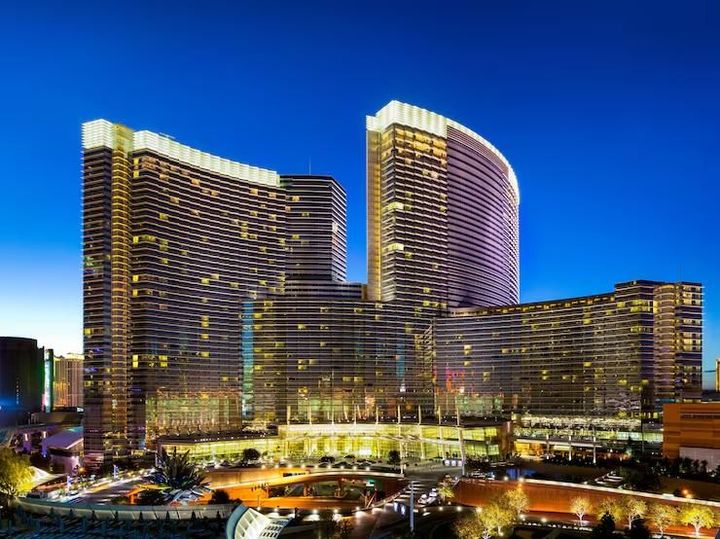
Luxury Business Hotels Guide With Meeting Facilities, Connectivity, and Travel Tips
Luxury business hotels are accommodation facilities designed for professionals, corporate travelers, executives, consultants, and business visitors who need comfortable rooms, meeting spaces, reliable internet connectivity, and convenient access to commercial districts.
These properties combine traditional hotel accommodation with facilities that support meetings, presentations, conferences, and work-related travel.
The development of luxury business hotels is closely connected to international trade, corporate expansion, aviation networks, and the growth of professional meetings. As businesses began operating across multiple regions, travelers needed accommodation that could support both personal comfort and professional responsibilities. Hotels gradually introduced dedicated meeting rooms, business lounges, conference halls, and work-friendly room layouts.
Today, luxury business hotels operate in major commercial centers, airport districts, financial areas, and conference destinations. Their facilities vary according to property size, location, management standards, and intended guest requirements. Some focus on executive accommodation, while others support large corporate events and international business gatherings.
Understanding luxury business hotels helps travelers evaluate accommodation options according to practical requirements rather than appearance alone. Room functionality, meeting facilities, transport access, internet reliability, accessibility, and workplace privacy all contribute to a suitable business travel experience.
Common Features of Luxury Business Hotels
Luxury business hotels typically combine accommodation with facilities that support professional activities. Common features include:
Executive rooms with desks, lighting, and comfortable seating.
Meeting rooms equipped with presentation screens and conference tables.
High-speed internet connectivity for video meetings and digital collaboration.
Business lounges with quiet areas for reading, calls, and individual work.
Restaurants and dining facilities that accommodate different schedules.
Airport transfers, parking arrangements, and access to local transport.
Fitness facilities and relaxation areas for travelers managing demanding schedules.
Not every property provides all these features. Travelers should evaluate the facilities available at each hotel before making a reservation.
Importance
Luxury business hotels remain relevant because professional travel often involves tight schedules, confidential discussions, international communication, and coordination between multiple participants. Suitable accommodation can help travelers manage these responsibilities while maintaining reasonable comfort during their stay.
Business travelers may include company representatives, entrepreneurs, consultants, conference delegates, visiting researchers, and international clients. Their requirements differ according to the purpose and duration of the trip. A person attending a short meeting may prioritize transport access, whereas a team organizing a conference may need several meeting rooms and technical equipment.
Meeting Facilities and Corporate Activities
Meeting facilities are an important consideration when choosing business accommodation. Hotels may provide private meeting rooms, boardrooms, conference halls, training spaces, and event areas with different seating capacities.
Room layouts influence how participants communicate and interact. Boardroom arrangements support discussions among smaller groups, classroom layouts suit training sessions, and theater-style seating accommodates larger presentations.
Before selecting a venue, travelers should consider:
Expected attendance and room capacity.
Audio equipment, microphones, and presentation screens.
Video conferencing compatibility and internet bandwidth.
Seating arrangements, lighting, and sound insulation.
Accessibility requirements and emergency exits.
Room availability, setup times, and technical assistance arrangements.
Connectivity and Location
Reliable connectivity is essential for business travelers who depend on email, cloud documents, virtual meetings, and collaborative software. Hotels with stable wireless networks and suitable workspaces can support these activities, although actual performance may vary with network congestion and building infrastructure.
Location also affects travel efficiency. Hotels near airports may suit travelers with early departures, while properties in commercial districts can reduce journeys to offices and meeting venues. However, traffic conditions, public transport schedules, and distance between terminals and hotels should also be considered.
Comfort and Productivity
A suitable room environment can help travelers maintain concentration and rest between professional commitments. Desk space, ergonomic seating, effective lighting, sound insulation, climate control, and accessible power outlets are practical considerations.
Longer business trips may also require laundry facilities, dining options, fitness areas, and convenient access to essential shops or transport. Evaluating these factors helps travelers select accommodation that matches their routines and travel requirements.
Recent Updates
Luxury business hotels are adapting to changing expectations around digital connectivity, flexible work arrangements, environmental performance, and hybrid meetings. Rather than focusing exclusively on traditional conference facilities, many properties are incorporating technology and adaptable spaces to support different forms of professional activity.
Digital Meeting Technology
Hybrid meetings have increased the importance of equipment that connects in-person participants with remote colleagues. Hotels may provide video conferencing systems, large displays, wireless presentation tools, and dedicated audiovisual equipment.
Travelers should confirm compatibility with their preferred meeting platforms and check whether technical assistance is available during scheduled sessions. A room equipped with a screen does not necessarily include the cameras, microphones, or network capacity required for a successful hybrid event.
Flexible Workspaces
Some business hotels now incorporate flexible lounges, shared work areas, private call rooms, and multifunctional meeting spaces. These arrangements support travelers who need to alternate between independent work, informal discussions, and scheduled meetings.
Room layouts are also becoming more adaptable, with greater attention to desk placement, charging access, and lighting. Availability differs between properties, so travelers should check the specific facilities rather than assume that every luxury hotel provides dedicated coworking areas.
Sustainability and Resource Management
Environmental considerations increasingly influence hotel operations. Some properties introduce energy-efficient lighting, water-saving fixtures, waste separation, reusable materials, and systems that monitor energy consumption.
Corporate travel planners may also evaluate environmental information when selecting accommodation for meetings or conferences. However, sustainability claims vary in scope and verification, making it important to distinguish measured performance from general environmental statements.
Comparison of Business Hotel Features
Feature | Primary purpose | What travelers should check |
|---|---|---|
Executive rooms | Individual work and rest | Desk space, lighting, privacy |
Meeting rooms | Small-group discussions | Capacity, equipment, availability |
Conference halls | Corporate events | Seating, acoustics, technical setup |
High-speed internet | Online work and communication | Reliability, bandwidth, security |
Business lounges | Informal work and meetings | Quiet areas, access conditions |
Transport connectivity | Reaching offices and airports | Travel time, routes, operating hours |
Sustainability measures | Resource efficiency | Specific practices and verification |
Laws or Policies
Luxury business hotels operate under the laws and regulations applicable to their location. Requirements differ between countries and sometimes between states, provinces, municipalities, and individual districts. Because this guide covers an international topic rather than one target country, the following areas describe common regulatory considerations without presenting them as universal legal requirements.
Building Safety and Fire Protection
Hotels generally need to follow applicable building safety, fire prevention, emergency planning, and occupancy requirements. Meeting rooms and conference halls may have specific limits on the number of occupants, exit arrangements, accessibility, and emergency signage.
Travelers organizing corporate events should confirm that the selected venue can accommodate the expected attendance within its permitted capacity. Event organizers may also need to follow venue procedures for equipment installation, temporary structures, and emergency evacuation.
Accessibility Requirements
Accessibility rules may address entrances, elevators, guest rooms, meeting spaces, signage, and communication facilities. The exact requirements depend on the jurisdiction and the type of property.
Travelers with mobility, hearing, visual, or other accessibility needs should confirm the availability of appropriate facilities in advance. A general statement about accessibility does not necessarily mean that every room or meeting area meets an individual's requirements.
Data Protection and Guest Privacy
Hotels collect personal information during reservations, check-in, payment processing, and other interactions. Applicable privacy laws may regulate how this information is collected, stored, used, and shared.
Business travelers should also consider confidentiality when connecting to hotel networks or discussing sensitive information in shared spaces. Organizations may require virtual private networks, multifactor authentication, approved devices, or other internal security measures.
Booking and Consumer Protection
Reservation policies can cover cancellation conditions, deposits, payment schedules, taxes, additional charges, and procedures for resolving disputes. The relevant consumer protection framework depends on the booking location and the agreement between the traveler and the accommodation provider.
Travelers should review the complete reservation conditions, including meeting-room arrangements where applicable. Written confirmation can help clarify the room category, included facilities, occupancy limits, and agreed event arrangements.
Tools and Resources
Digital tools help travelers compare luxury business hotels, organize meetings, estimate travel time, and manage accommodation arrangements. Their usefulness depends on the trip's purpose, destination, and organizational requirements.
Hotel Comparison and Reservation Platforms
Online accommodation platforms allow users to examine hotel locations, room categories, guest feedback, amenities, and reservation conditions. Map-based searches can help identify properties near airports, offices, conference centers, and public transport stations.
When comparing properties, travelers should review recent feedback about internet reliability, noise, room maintenance, and meeting facilities. Guest reviews can provide practical insights, but individual experiences do not establish that every stay will be similar.
Travel Planning Tools
Mapping applications and transport planners help estimate journeys between hotels, airports, offices, and event venues. These estimates should be checked against expected traffic, public transport schedules, and local operating conditions.
Travel planning spreadsheets can also help coordinate group reservations, arrival times, room assignments, meeting schedules, and transport arrangements. A shared itinerary reduces confusion when several participants travel independently.
Meeting Preparation Resources
Useful business meeting resources include:
Meeting agenda templates for defining objectives and discussion topics.
Conference room checklists for confirming seating, displays, microphones, and connectivity.
Travel expense spreadsheets for recording accommodation, transport, meals, and other permitted business expenses.
Video conferencing test procedures for checking audio, camera placement, screen sharing, and network performance.
Corporate travel policies describing booking approvals, privacy requirements, and reimbursement procedures.
Hotel Evaluation Checklist
The following checklist can help travelers compare accommodation options consistently.
Evaluation area | Questions to consider |
|---|---|
Location | Is the hotel convenient for the main destination? |
Connectivity | Is the internet suitable for planned online activities? |
Meeting facilities | Does the venue support the meeting format? |
Accommodation | Does the room provide an appropriate workspace? |
Accessibility | Are the required accessible facilities available? |
Security | Are suitable privacy and network protections available? |
Reservation terms | Are cancellation and payment conditions clear? |
Overall suitability | Do the facilities match the trip's purpose? |
FAQs
What Are Luxury Business Hotels?
Luxury business hotels are accommodation properties that combine guest rooms and hospitality facilities with features for professional travel. These may include meeting rooms, conference facilities, workspaces, reliable internet, and convenient transport access.
Which Meeting Facilities Should Business Travelers Check?
Travelers should examine room capacity, seating arrangements, presentation screens, microphones, video conferencing equipment, internet connectivity, and technical assistance. The required facilities depend on the meeting's size and format.
How Important Is Internet Connectivity in Luxury Business Hotels?
Internet connectivity is important for email, virtual meetings, cloud-based documents, and professional communication. Travelers with demanding connectivity requirements should confirm network capabilities and any applicable access restrictions before arrival.
How Can Travelers Compare Luxury Business Hotels?
Travelers can compare location, room facilities, meeting spaces, connectivity, accessibility, guest feedback, reservation conditions, and transport options. Evaluating these factors against the purpose of the trip provides a practical basis for comparison.
What Policies Affect Business Hotel Reservations?
Reservation arrangements may be affected by consumer protection rules, privacy laws, building safety requirements, accessibility regulations, and local accommodation rules. The applicable requirements depend on the destination and the specific reservation agreement.
Conclusion
Luxury business hotels combine accommodation, meeting facilities, digital connectivity, and travel convenience for professionals attending meetings, conferences, and corporate events. Their suitability depends on practical factors such as location, room functionality, network reliability, accessibility, and venue arrangements. Changes in hybrid meeting technology, flexible workspaces, and environmental management continue to influence the business accommodation sector. Understanding these features and relevant policies helps travelers evaluate hotel facilities in relation to their professional requirements.