Diamond Jewellery: A Simple Guide to Quality, 4Cs and Diamond Selection
Diamond jewellery refers to jewellery designed with diamonds combined with precious metals such as gold or platinum. Common forms include diamond rings, diamond earrings, diamond necklaces, diamond bracelets and diamond engagement rings. Understanding diamond characteristics can help readers evaluate jewellery information more clearly and compare different designs based on quality, appearance and personal preferences.
Understanding the 4Cs of Diamonds
Cut
Diamond cut describes how effectively a diamond’s proportions and facets interact with light. Cut influences brightness, fire and scintillation, which are major contributors to a diamond’s visible sparkle. GIA explains that cut is different from diamond shape; round, oval, pear and marquise describe shapes, while cut evaluates aspects of the diamond’s craftsmanship and light performance.
Color
Diamond color generally refers to the degree of colorlessness in a diamond. The GIA D-to-Z scale is commonly used for diamonds in the normal color range, with D representing the highest degree of colorlessness and increasing color toward Z. Color can influence diamond appearance and value, although the visible difference between neighboring grades may be subtle.
Clarity
Diamond clarity describes the presence, size, position and visibility of internal inclusions and surface blemishes. GIA uses an 11-grade clarity scale ranging from Flawless to Included categories. Clarity characteristics can also help gemologists distinguish and identify individual diamonds.
Carat Weight
Carat weight measures the weight of a diamond rather than directly measuring its visible dimensions. One carat equals 0.20 grams. Two diamonds with the same carat weight can appear different because their shapes, proportions and cutting styles may differ.
Popular Types of Diamond Jewellery
Diamond Rings
Diamond rings can feature a single central diamond, multiple diamonds or decorative diamond settings. Engagement rings are one of the most recognized forms, while diamond bands and other ring designs can use different diamond shapes and setting styles.
Diamond Earrings
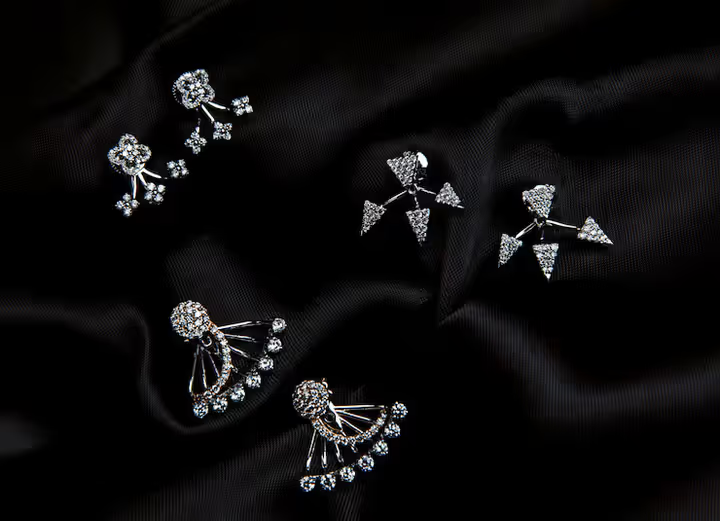
Diamond earrings range from simple single-stone designs to arrangements containing several diamonds. Their appearance can depend on diamond shape, setting style, metal type and the relationship between the stones.
Diamond Necklaces
Diamond necklaces can incorporate individual diamonds, clusters or repeating patterns. The design can influence how light interacts with the stones and how the jewellery appears when worn.
Diamond Certification and Grading
A diamond grading report provides important information about a diamond’s characteristics and can document aspects such as the 4Cs. GIA recommends using a diamond grading report to understand the quality characteristics of an individual diamond, particularly because some differences can be difficult to evaluate without professional examination.
Natural and Laboratory-Grown Diamonds
Diamond jewellery may contain natural diamonds or laboratory-grown diamonds. These should be clearly identified because they have different origins. The U.S. Federal Trade Commission’s Jewelry Guides emphasize truthful representation of gemstones, including laboratory-created and imitation substitutes.
How to Understand Diamond Jewellery Quality
Diamond jewellery quality should not be judged from carat weight alone. Cut, color, clarity, carat weight, diamond shape, setting and craftsmanship can all contribute to the appearance of a finished piece. Comparing documented diamond characteristics can provide a more complete understanding than relying on a single specification.
Conclusion
Diamond jewellery combines gemstone characteristics, metalwork and design. Learning the 4Cs—cut, color, clarity and carat weight—provides a useful foundation for understanding diamond quality. Certification, accurate descriptions and knowledge of diamond characteristics can also make jewellery information easier to evaluate and compare.