Equipment Rental Explanation of Machinery Options, Features and Practical Applications
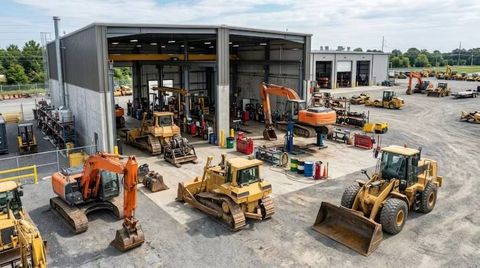
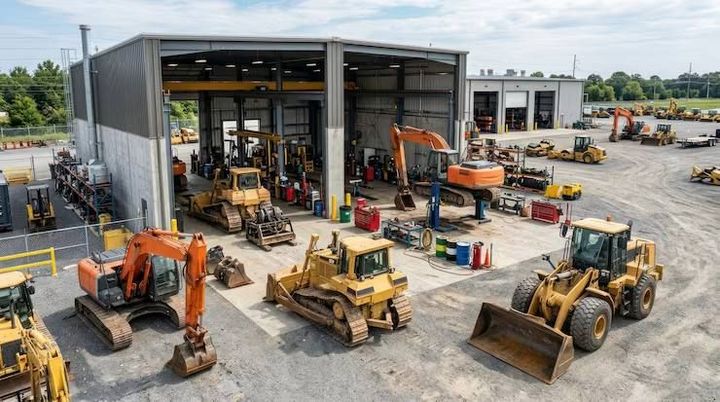
Equipment rental is a way of accessing machinery for a defined period without permanent ownership. It is commonly used for construction, agriculture, manufacturing, landscaping, warehousing, infrastructure work, events, transportation, and facility maintenance.
The equipment may range from compact tools to large excavators, cranes, generators, forklifts, aerial platforms, and specialized industrial machinery.
The concept developed from the practical need to make machinery available for temporary projects. Many types of equipment are needed only during particular stages of a project or during periods of increased activity. Temporary access allows organizations and individuals to match equipment availability with the duration and requirements of their work.
Equipment rental arrangements can differ in duration and structure. Some involve short periods, while others cover several weeks or months. The agreement generally identifies the equipment, rental period, payment terms, responsibilities, operating conditions, maintenance arrangements, and return requirements.
Machinery selection depends on the task rather than simply the size of the equipment. A compact excavator may be appropriate for restricted areas, while a larger excavator may be designed for substantial earthmoving. Similarly, different lifting equipment is selected according to load weight, height, reach, and working environment.
Common Machinery Categories
Equipment rental covers many machinery categories. Common examples include:
Excavators for digging and earthmoving
Skid-steer loaders for material handling and site preparation
Wheel loaders for moving bulk materials
Forklifts for warehouse and industrial handling
Cranes for lifting and positioning heavy loads
Scissor lifts for elevated access
Boom lifts for work requiring horizontal reach
Generators for temporary electrical power
Compactors for soil and surface preparation
Trenchers for creating narrow excavations
Concrete equipment for mixing, placing, or finishing
Agricultural machinery for seasonal field activities
Each category contains different models and configurations. Capacity, dimensions, attachments, fuel type, power source, and operating controls can vary substantially.
How Equipment Rental Works
The process usually begins with identifying the task, operating environment, required machine characteristics, and expected period of use. Equipment specifications can then be compared with the project requirements.
Before machinery is used, operators may need to review operating instructions, inspection procedures, site restrictions, and applicable safety requirements. Equipment condition should also be checked according to the applicable agreement and operating procedures.
After the rental period, the machinery is generally returned according to the agreed process. The condition, operating hours, attachments, and other relevant details may be recorded as part of the return procedure.
Importance
Equipment rental matters because machinery requirements can change significantly between projects and industries. A construction project may require excavation equipment during one stage and lifting equipment during another. A warehouse may need additional handling machinery during a temporary increase in activity.
Temporary machinery access can also be relevant for organizations that have limited equipment storage space. Large machines require suitable parking, maintenance areas, security arrangements, and transportation planning when they are not being used.
Practical Applications
Construction is one of the major areas where equipment rental is used. Machinery can support excavation, grading, material movement, concrete work, lifting, surface preparation, and elevated access.
Agriculture can also involve seasonal equipment requirements. Machinery such as tractors, harvest equipment, tillers, and specialized attachments may be needed during particular periods of the agricultural cycle.
Industrial facilities can use temporary equipment for plant modifications, material handling, maintenance projects, warehouse changes, or infrastructure work. Equipment selection depends on the facility layout and the nature of the activity.
Matching Machinery to the Task
Selecting machinery requires more than identifying the general category. Important factors include:
Required operating capacity
Maximum load or lifting requirement
Working height and horizontal reach
Ground conditions
Available operating space
Access width and clearance
Power or fuel requirements
Attachment compatibility
Expected operating duration
Operator qualifications
Transportation requirements
For example, a forklift intended for indoor warehouse movement may have different characteristics from equipment designed for rough outdoor terrain. Similarly, an aerial platform used indoors may have different dimensions and power requirements from one intended for outdoor construction areas.
Attachments and Accessories
Many machines can use interchangeable attachments. Excavators may accommodate buckets, breakers, augers, or specialized digging tools, while skid-steer loaders can use attachments for grading, sweeping, drilling, or material handling.
Attachment compatibility needs to be checked before equipment is selected. Weight, hydraulic flow, connection type, machine capacity, and operating requirements all influence whether a particular attachment is appropriate.
Recent Updates
From 2024 through 2026, equipment rental has continued to reflect broader developments in construction technology, electrification, telematics, digital fleet management, and emissions-conscious equipment selection. The overall trend is toward machinery that can provide more operational information while supporting different power and application requirements.
Electric and Battery-Powered Equipment
Battery-powered compact machinery has become increasingly visible in applications where lower local emissions, reduced engine noise, or indoor operation are important considerations. Examples can include compact loaders, small excavators, aerial platforms, and other equipment categories.
Electric machinery requires attention to battery capacity, charging infrastructure, operating duration, ambient conditions, and available electrical connections. These factors can influence whether a particular machine is suitable for a specific project.
Telematics and Connected Equipment
Many modern machines incorporate telematics systems that collect information such as operating hours, location, fuel or energy consumption, machine status, and selected maintenance indicators.
Connected equipment can help organizations understand machinery utilization and coordinate fleet activities. Data availability varies by machine and system, and users should understand what information is collected and how it is accessed.
Digital Equipment Management
Digital platforms are increasingly used to manage machinery records, inspection schedules, operating information, delivery arrangements, and equipment availability. Digital documentation can make it easier to maintain records for multiple machines.
Some platforms also integrate equipment data with project-management or fleet-management systems. This can connect machinery information with broader planning activities.
Operator Assistance Technology
Modern machinery can include cameras, proximity detection, grade-control systems, load monitoring, automatic controls, and other operator-assistance technologies. These features can provide additional information during equipment operation.
Such systems do not remove the need for trained operators or appropriate site procedures. Their function depends on machine configuration, environmental conditions, calibration, and correct use.
Laws or Policies
Equipment rental is influenced by machinery safety rules, workplace regulations, transportation requirements, environmental regulations, insurance arrangements, and operator qualification requirements. Specific rules vary according to the country, equipment type, industry, and operating environment.
Equipment Safety Requirements
Construction and industrial machinery may be subject to requirements covering machine condition, guarding, emergency controls, inspection, maintenance, and operating procedures. Certain equipment categories may require periodic examinations or documented inspections.
Operators may also need appropriate training or authorization depending on the machine and jurisdiction. Requirements can be different for cranes, forklifts, aerial platforms, earthmoving equipment, and other machinery.
Transportation and Site Access
Large machinery often requires specialized transportation between locations. Road restrictions, machine dimensions, weight limits, permits, and loading procedures can affect transportation planning.
Once equipment reaches a worksite, site-specific requirements may address access routes, ground stability, overhead clearance, pedestrian movement, and separation from other machinery.
Environmental Considerations
Environmental rules can apply to fuel storage, exhaust emissions, noise, spills, waste handling, and equipment operation in environmentally sensitive areas. Electric machinery can have different operational considerations from combustion-powered equipment.
The applicable requirements should be identified according to the machine, location, and activity rather than assuming that the same rules apply to every equipment category.
Tools and Resources
Equipment rental planning can involve several digital and physical resources. Machinery specification sheets provide information about dimensions, operating capacity, power requirements, lifting limits, attachment compatibility, and working ranges.
Load charts are particularly important for certain lifting equipment. They can show how lifting capacity changes according to boom position, radius, configuration, and other operating factors.
Useful planning resources include:
Equipment specification sheets
Load and capacity charts
Machinery inspection checklists
Site-layout drawings
Equipment utilization records
Fuel and energy monitoring tools
Maintenance schedules
Operator manuals
Attachment compatibility guides
Fleet management platforms
Digital project-planning tools
Equipment comparison worksheets
A simplified comparison of common machinery categories is shown below:
| Machinery Category | Main Application | Important Specification |
|---|---|---|
| Excavator | Digging and earthmoving | Operating weight and digging range |
| Skid-Steer Loader | Compact material handling | Rated operating capacity |
| Wheel Loader | Bulk material movement | Bucket capacity |
| Forklift | Pallet and load handling | Load capacity and lift height |
| Crane | Heavy lifting | Rated capacity and reach |
| Scissor Lift | Vertical elevated access | Platform height |
| Boom Lift | Elevated access with reach | Working height and outreach |
| Generator | Temporary electrical power | Power output and fuel type |
| Compactor | Ground preparation | Operating width and compaction system |
| Trencher | Narrow excavation | Cutting depth and trench width |
Equipment Inspection
Inspection is an important part of machinery use. Before operation, users can review the equipment condition, controls, tires or tracks, fluid levels where applicable, safety devices, attachments, and visible structural components.
Inspection requirements differ by machine type. Equipment manuals and applicable workplace rules provide the relevant procedures for the particular machine.
Planning Equipment Utilization
Equipment utilization refers to how effectively machinery is used during the available operating period. Project schedules can help identify when equipment is actually required and when different machinery categories will be needed.
Good planning also considers delivery time, setup requirements, operator availability, site access, fuel or charging arrangements, and equipment return procedures.
FAQs
What is equipment rental?
Equipment rental is an arrangement in which machinery is made available for use during an agreed period. The equipment can include construction machinery, industrial equipment, agricultural machinery, material-handling equipment, and temporary power systems.
What machinery options are available through equipment rental?
Common options include excavators, loaders, forklifts, cranes, aerial platforms, generators, compactors, trenchers, agricultural equipment, and machines with specialized attachments. Availability depends on the location and equipment category.
How do I choose equipment for a specific application?
The selection process can consider machine capacity, dimensions, working range, ground conditions, attachment requirements, power source, operating environment, operator qualifications, and project duration.
What should be checked before using rental machinery?
Users can review the machine's condition, operating controls, safety systems, attachments, capacity information, inspection records, and operating instructions. Applicable workplace requirements should also be followed.
How is modern equipment different from older machinery?
Modern equipment increasingly incorporates telematics, digital controls, operator-assistance technology, improved energy management, and electric power options in selected categories. The available features vary by machine and manufacturer.
Conclusion
Equipment rental provides temporary access to machinery for construction, agriculture, manufacturing, warehousing, infrastructure, and other practical applications. Equipment selection depends on factors such as capacity, dimensions, operating environment, attachments, power requirements, and operator qualifications. Recent developments include connected machinery, digital fleet management, electric equipment, and operator-assistance technologies. Safe equipment use also depends on appropriate inspections, maintenance procedures, training, transportation planning, and applicable regulations.