Equipment Rental Guide: Machinery Types, Rental Options, Uses and Important Considerations
Equipment rental is a practical way of accessing machinery for construction, manufacturing, agriculture, maintenance, infrastructure, landscaping, and other activities without keeping every machine permanently at a workplace. An equipment rental arrangement generally allows a person or organization to use machinery for an agreed period under defined terms.
The concept developed from the need to make specialized equipment available for temporary projects. Large machines such as excavators, cranes, forklifts, loaders, generators, compressors, and concrete equipment may be required for only part of a project. Rental arrangements provide a way to match equipment use with project duration.
Today, machinery rental can involve short-term, weekly, monthly, or longer arrangements. Depending on the equipment and agreement, the arrangement may include transportation, operator support, routine maintenance responsibilities, fuel arrangements, or other conditions.
Common equipment categories
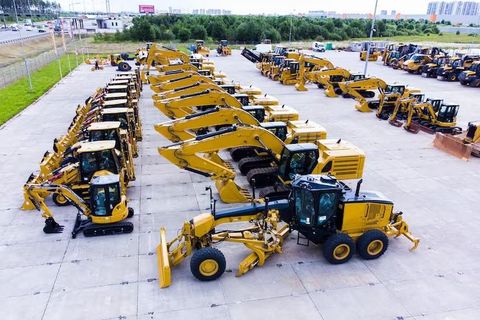
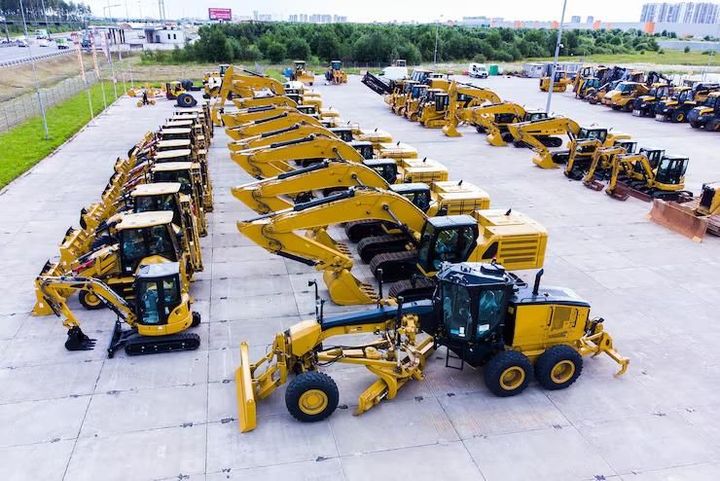
Machinery available through rental arrangements varies by industry. Common categories include:
- Earthmoving equipment such as excavators, backhoe loaders, wheel loaders, skid-steer loaders, and bulldozers
- Lifting equipment such as mobile cranes, telescopic handlers, hoists, and material lifts
- Material-handling equipment such as forklifts, pallet trucks, and reach trucks
- Road and construction equipment such as compactors, pavers, concrete mixers, and breakers
- Power equipment such as generators, compressors, and temporary power units
- Agricultural machinery such as tractors, harvesters, tillers, and irrigation equipment
- Industrial machinery such as welding equipment, cutting machines, pumps, and air compressors
Importance
Equipment rental matters because machinery requirements can change from one project to another. A construction project may need an excavator during excavation, a compactor during ground preparation, and lifting equipment during structural work. Keeping all of these machines permanently may not suit every organization.
Rental arrangements can also help smaller contractors, maintenance teams, farms, workshops, and project groups access specialized machinery for limited periods. The appropriate equipment depends on factors such as the work area, material, operating conditions, machine capacity, and expected usage.
Selecting equipment for a specific use
The machine should match the actual task rather than simply its general category. For example, an excavator is available in several sizes and configurations, while forklifts differ in lifting capacity, mast height, power source, and operating environment.
Important considerations include:
- Required lifting or operating capacity
- Working height and reach
- Ground conditions and available space
- Fuel or electrical requirements
- Expected operating hours
- Transportation requirements
- Operator qualifications
- Safety features and inspection records
- Environmental conditions
- Rental period and return requirements
Rental options
Equipment rental options commonly vary according to duration and operating arrangement. Short-term rental may suit a brief construction phase, while monthly arrangements may be used for longer projects.
| Rental arrangement | Typical use | Main consideration |
|---|---|---|
| Daily | Short tasks or temporary requirements | Availability and transportation |
| Weekly | Small projects and maintenance work | Usage hours and return conditions |
| Monthly | Extended construction or industrial work | Inspection and maintenance responsibilities |
| Long-term | Continuing project requirements | Agreement terms and equipment condition |
| With operator | Specialized machinery | Operator qualifications and responsibilities |
| Without operator | Familiar equipment | User training and safe operation |
The exact terms differ between equipment categories and rental providers. A written agreement should clearly identify the machine, rental period, operating limitations, responsibilities, and return conditions.
Recent Updates
From 2024 through 2026, equipment management has increasingly incorporated digital monitoring, machine data, electric powertrains, and formal safety requirements. Telematics systems can record information such as machine location, operating hours, fuel or battery information, and selected operating data. These systems can help with equipment tracking and utilization records.
Digital platforms have also made it easier to compare machinery specifications, identify available equipment, review technical information, and manage rental periods. However, equipment specifications and availability still need to be checked directly before an arrangement is finalized.
Electric and battery-powered equipment has also received increasing attention, particularly for applications where reduced local emissions or lower noise levels are relevant. Broader electric-mobility policies in India have also supported development of related technologies.
Safety and technical regulation have also received attention. The Ministry of Heavy Industries has been developing and updating requirements related to machinery and electrical equipment, including amendments to the Machinery and Electrical Equipment Safety framework. The Ministry's records show a second amendment issued in 2025 and subsequent changes to the regulatory framework in 2026.
In infrastructure projects, digital equipment monitoring is already used in some government programs. For example, GPS-enabled vehicle tracking has been required for vehicles, machinery, and equipment used in specified PMGSY III road works, supporting monitoring of equipment deployment.
Laws or Policies
In India, machinery rental is affected by several areas of law, depending on the equipment and its intended use. Workplace safety requirements, taxation rules, technical standards, transport requirements, and state-level regulations can all be relevant.
The Occupational Safety, Health and Working Conditions Code, 2020 contains provisions concerning machinery safeguards, lifting appliances, lifting equipment, transportation equipment, earthmoving equipment, and workplace safety. The framework also addresses requirements concerning competent persons, inspection, maintenance, and precautions for particular machinery.
Implementation of occupational safety rules involves central and state-level processes. Government material on the Labour Codes records the publication of draft central rules and state-level draft rules for the occupational safety framework.
Tax treatment can depend on the type of rental arrangement and equipment. Under India's GST framework, leasing or rental of goods without an operator is addressed under Heading 9973, with the applicable treatment linked in several cases to the corresponding goods classification. Specific tax treatment should therefore be checked according to the particular machine and transaction.
Machinery may also be subject to technical standards or conformity requirements. The Ministry of Heavy Industries maintains information concerning machinery and electrical equipment safety regulations, amendments, technical guidelines, and certification procedures.
For lifting equipment, earthmoving machinery, electrical equipment, pressure equipment, and other specialized machines, additional requirements may apply. Local authorities, workplace rules, road regulations, environmental requirements, and industry-specific standards can also affect equipment use.
Tools and Resources
Several resources can help readers understand equipment rental requirements and machinery specifications.
Equipment specification sheets
Manufacturer specification sheets can provide information about operating weight, lifting capacity, dimensions, power source, reach, attachments, and operating limitations. These details help users compare machinery according to the actual task.
Equipment inspection checklists
A basic inspection checklist can record visible damage, tires or tracks, hydraulic components, electrical systems, controls, safety devices, fluid levels, operating hours, and general machine condition. For specialized machinery, the checklist should reflect the manufacturer's instructions and applicable safety requirements.
Rental agreement templates
A written rental agreement can document the machine identification number, rental period, permitted use, operating limits, transportation arrangements, maintenance responsibilities, damage procedures, insurance requirements, and return conditions.
Government resources
The Ministry of Labour and Employment provides information about India's occupational safety framework, while the Ministry of Heavy Industries publishes material related to machinery and electrical equipment regulations. CBIC provides GST classification and rate information. These government resources can help readers verify rules that may apply to particular equipment or transactions.
Equipment planning worksheets
A simple worksheet can compare machine type, capacity, dimensions, operating hours, power source, transportation needs, rental period, inspection status, and agreement conditions. Such a record can make equipment selection easier to document.
FAQs
What is equipment rental?
Equipment rental is an arrangement in which machinery is made available for use for an agreed period under specified terms. The equipment remains subject to the conditions stated in the rental agreement.
What machinery types are commonly available for rental?
Common machinery types include excavators, forklifts, cranes, loaders, compactors, generators, compressors, pumps, tractors, welding equipment, and material-handling equipment. Availability varies by location and equipment category.
How do equipment rental options differ?
Equipment rental options can differ by rental duration, machine capacity, operator arrangements, transportation, maintenance responsibilities, insurance conditions, and permitted usage. The agreement should state these conditions clearly.
What should I check before using rental machinery?
Check the machine's identification, condition, operating capacity, inspection records, safety devices, controls, operating instructions, and permitted applications. The work area and operator qualifications should also be suitable for the selected equipment.
Are equipment rental arrangements subject to GST in India?
GST treatment depends on the nature of the rental transaction and the classification of the equipment. CBIC's GST framework contains provisions for leasing or rental of goods, so the applicable classification should be verified for the specific transaction.
Conclusion
Equipment rental provides access to machinery for temporary or extended requirements across construction, manufacturing, agriculture, infrastructure, and other fields. Machinery types vary widely, so capacity, operating conditions, safety requirements, rental duration, and equipment condition are important considerations. In India, rental arrangements can also be affected by occupational safety rules, GST provisions, and machinery-related technical regulations. Digital monitoring, equipment tracking, and electric machinery are among the developments shaping the equipment rental landscape.