Explore Driver Monitoring Systems With AI-Based Safety Technology and Vehicle Applications
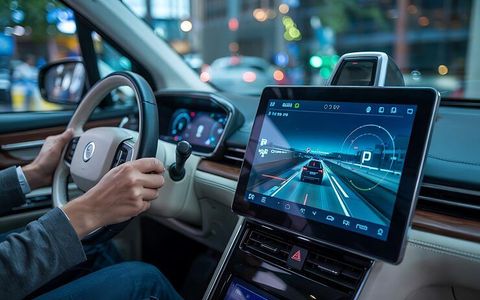
Driver monitoring systems are vehicle technologies designed to observe driver attention, alertness, and behavior while driving. These systems use cameras, sensors, and artificial intelligence (AI) to identify signs of distraction, drowsiness, or reduced attention.
Depending on the vehicle design, a driver monitoring system may provide a visual warning, an audible alert, or a vibration to encourage the driver to pay attention to the road.
Driver monitoring systems are becoming an important part of modern automotive safety technology. They are used in passenger cars, commercial vehicles, fleet transportation, and selected advanced driver assistance systems. Their purpose is to help identify situations in which a driver's attention may be reduced and provide timely information to support safer driving practices.
How Driver Monitoring Technology Developed
Traditional vehicle safety systems primarily focused on protecting occupants during a collision. Seat belts, airbags, anti-lock braking systems, and electronic stability control helped reduce different types of driving risks. As vehicle electronics advanced, manufacturers began developing technologies that could identify potential hazards before a collision occurred.
Driver monitoring technology emerged from research into fatigue detection, human behavior, computer vision, and vehicle automation. Early approaches relied on driving patterns, steering movements, and other indirect indicators. Modern AI-based systems can also analyze facial features, eye movements, head position, and gaze direction to estimate whether a driver is paying attention.
Main Components of an AI-Based Driver Monitoring System
A typical driver monitoring system combines several components to interpret driver behavior. The exact configuration varies according to the vehicle model, manufacturer, and intended application.
Camera unit: Captures images of the driver's face, eyes, and head position, often using infrared illumination for low-light conditions.
AI processing software: Analyzes visual information to identify patterns associated with distraction or drowsiness.
Vehicle sensors: Supply supporting information, such as steering activity, vehicle speed, or driving conditions.
Warning interface: Communicates alerts through dashboard indicators, sounds, or steering-wheel vibrations.
Electronic control unit: Processes information and coordinates the system's responses with other vehicle technologies.
These components work together to estimate the driver's state. However, the system does not directly measure every aspect of human attention, and its conclusions may be affected by lighting, eyewear, facial positioning, and other environmental factors.
Importance
Why Driver Monitoring Systems Matter
Driver distraction and fatigue can reduce reaction time, affect judgment, and make it harder to respond to unexpected road conditions. Long journeys, nighttime driving, repetitive routes, and demanding traffic environments may increase the likelihood of reduced alertness. Driver monitoring systems are designed to identify certain warning signs and provide information before an unsafe situation develops.
The technology is relevant to everyday drivers as well as organizations operating buses, trucks, delivery vehicles, and company fleets. In commercial transportation, monitoring driver attention can complement training, rest planning, vehicle maintenance, and established road safety procedures.
Applications Across Different Vehicle Categories
Driver monitoring systems have several applications depending on the vehicle's purpose and operating environment.
Passenger cars: Detect potential drowsiness, prolonged distraction, or attention directed away from the road.
Commercial trucks: Support awareness during extended driving periods and help fleet operators evaluate broader safety practices.
Buses and coaches: Assist with driver attention monitoring in vehicles carrying multiple passengers.
Fleet vehicles: Provide safety-related information that may be incorporated into driver training and risk management.
Semi-autonomous vehicles: Help assess whether a driver appears attentive enough to resume control when the vehicle requests intervention.
The technology can also complement lane departure warnings, forward collision warnings, and automatic emergency braking. These systems address different risks, so combining them may provide a more comprehensive picture of vehicle safety.
Benefits and Practical Limitations
AI-based driver monitoring can identify certain behaviors that traditional vehicle sensors may not detect directly. For example, a camera can estimate whether a driver repeatedly closes their eyes or looks away from the forward driving area. This information can support timely warnings and improve awareness of potential risks.
However, the technology has limitations. Sunglasses, unusual seating positions, direct sunlight, camera obstruction, and differences in facial appearance may affect detection accuracy. Some systems may generate unnecessary warnings, while others may fail to recognize particular behaviors.
Driver monitoring should therefore be understood as a supporting safety measure rather than a replacement for attentive driving, adequate rest, or responsible vehicle operation.
Recent Updates
AI and Computer Vision Developments
Recent developments in automotive technology have increased interest in AI-powered driver monitoring systems. Improvements in computer vision and machine learning allow some systems to evaluate several visual indicators simultaneously, including eye closure, gaze direction, head movement, and facial orientation.
Manufacturers are also integrating driver monitoring with broader driver assistance platforms. In these configurations, the vehicle may combine information about driver attention with lane position, vehicle speed, and the status of automated driving functions. The purpose is to help determine when a warning is appropriate or when driver involvement may be necessary.
Integration With Vehicle Safety Features
Driver monitoring is increasingly considered alongside other in-cabin sensing technologies. Some vehicles use cameras to monitor the driver, while additional sensors may detect passengers, seat occupancy, or objects left inside the cabin. These functions have different purposes, even when they share hardware or processing systems.
Another development is the use of driver monitoring in vehicles with partial automation. Such vehicles may require the driver to remain attentive even when steering or speed control is assisted. Monitoring systems can help assess driver engagement, although their capabilities and permitted responses vary by vehicle.
Current Technology Trends
Development | Purpose | Important consideration |
|---|---|---|
AI-based facial analysis | Estimates driver attention and alertness | Performance depends on camera quality and operating conditions |
Infrared cameras | Support monitoring in low-light environments | Effectiveness varies by system design |
Driver assistance integration | Connects attention monitoring with vehicle warnings | Features differ between vehicle models |
Fleet safety analytics | Helps identify patterns in driving behavior | Data access and privacy need careful management |
In-cabin sensing | Monitors selected driver and passenger conditions | Requires clear limits on data collection and use |
The broader trend is toward more integrated vehicle safety systems that consider both the driver's condition and the surrounding driving environment. Actual capabilities should be evaluated from technical specifications rather than assumed from a vehicle's general AI or automation label.
Laws or Policies
Vehicle Safety Regulations
Driver monitoring requirements differ across jurisdictions. Some vehicle safety frameworks require or encourage attention-warning technologies in specific categories of newly manufactured vehicles, while other markets rely on a combination of general safety standards, manufacturer decisions, and voluntary adoption.
In international vehicle regulation, the United Nations Economic Commission for Europe (UNECE) has developed regulatory frameworks covering vehicle safety technologies, including driver drowsiness and attention warning systems. The precise requirements depend on the applicable regulation, vehicle category, and approval process.
The European Union has introduced vehicle general safety requirements that include attention-related warning technologies for applicable vehicle categories. These measures reflect a broader policy direction toward detecting driver fatigue and distraction. They do not mean that every vehicle on the road has the same monitoring capabilities.
Rules Affecting Vehicle Manufacturers
Vehicle manufacturers must consider several factors when developing driver monitoring technology:
Functional performance: The system should operate according to its intended technical requirements.
Driver alerts: Warnings should communicate relevant information without creating unnecessary confusion.
System limitations: Vehicle documentation should explain important operating conditions and restrictions.
Data protection: Camera images and related information may be subject to privacy requirements, depending on how the data is processed and stored.
Compatibility: Integration with driver assistance systems must account for the vehicle's approved functions and operating limits.
These considerations are especially important when a monitoring system influences other vehicle functions or collects information that can be associated with an individual.
Privacy and Data Protection
Driver monitoring cameras can process personal information, including facial images, gaze patterns, and behavior-related data. Depending on the system design, this information may be processed inside the vehicle without being transmitted elsewhere, or certain records may be stored or shared for specific purposes.
Privacy rules vary by jurisdiction and use case. Vehicle owners and fleet operators should understand what information is collected, how long it is retained, who can access it, and whether it is transmitted outside the vehicle. The existence of an in-cabin camera does not automatically mean that all recorded information is continuously uploaded or retained.
Tools and Resources
Vehicle Specifications and Technical Documentation
Vehicle specification sheets, owner manuals, and manufacturer documentation are useful starting points for understanding driver monitoring technology. These materials may explain camera placement, warning types, operating requirements, system limitations, and the relationship between monitoring features and driver assistance functions.
When comparing vehicles, it is important to distinguish between a basic fatigue warning, a camera-based driver monitoring system, and a more advanced attention estimation platform. Similar names may describe different capabilities.
Automotive Safety Assessment Resources
Organizations involved in vehicle safety assessment publish information about crash prevention, driver assistance technologies, and vehicle safety performance. Their publications can help readers understand how monitoring systems fit into the wider automotive safety landscape.
Useful resource categories include:
Vehicle safety assessment reports: Explain the availability and evaluation of selected safety technologies.
Automotive engineering publications: Describe camera systems, computer vision, sensor integration, and AI processing.
Technical standards documentation: Provides information about applicable testing and regulatory requirements.
Fleet safety management tools: Help organizations review driving patterns, incident records, and training needs.
Privacy documentation: Explains how in-vehicle data may be collected, processed, retained, and shared.
Evaluating Driver Monitoring Systems
A practical comparison should consider the technology's intended purpose and real operating conditions. Readers can examine the following factors when reviewing different systems.
Evaluation factor | Questions to consider |
|---|---|
Detection capability | Does the system identify drowsiness, distraction, or both? |
Camera performance | Can it function under low-light conditions? |
Warning methods | Are alerts visual, audible, or tactile? |
Driver assistance integration | Does it work alongside other safety features? |
Privacy controls | How are camera images and related data handled? |
Operating limitations | Can eyewear, sunlight, or camera obstruction affect performance? |
Maintenance | Are calibration, software updates, or inspections required? |
No single specification establishes overall effectiveness. Performance depends on system design, testing conditions, vehicle integration, and how drivers respond to warnings.
FAQs
What Is an AI-Based Driver Monitoring System?
An AI-based driver monitoring system uses cameras, sensors, and software to estimate driver attention and alertness. It can identify certain signs of drowsiness or distraction and provide warnings when its programmed conditions are met.
How Do Driver Monitoring Systems Detect Drowsiness?
Many systems analyze indicators such as prolonged eye closure, blinking patterns, head position, and gaze direction. Some also consider driving behavior, but detection methods and accuracy vary between systems.
Are Driver Monitoring Systems Mandatory in All Vehicles?
No. Requirements depend on the country, vehicle category, applicable regulations, and manufacturing or approval requirements. Some jurisdictions mandate specific attention-warning features for certain new vehicles, while others have different rules.
Can Driver Monitoring Technology Work at Night?
Some systems use infrared cameras or infrared illumination to monitor drivers in low-light conditions. Their performance still depends on camera design, obstructions, and the system's operating limitations.
How Does Driver Monitoring Improve Vehicle Safety?
Driver monitoring can alert drivers when the system detects possible drowsiness or distraction. It may complement other driver assistance technologies, but it cannot eliminate driving risks or replace the driver's responsibility to remain attentive.
Conclusion
Driver monitoring systems use cameras, sensors, and AI-based analysis to identify potential signs of distraction and drowsiness. Their applications range from passenger cars and commercial fleets to vehicles equipped with partial driving automation. Regulatory requirements, privacy considerations, and technical limitations remain important factors in their development and use. As automotive safety technology evolves, driver monitoring continues to form part of a broader approach to understanding driver behavior and supporting safer vehicle operation.