Gemstone Features Guide With Gem Properties, Quality Factors, and Buying Insights
Gemstones are naturally occurring or laboratory-created materials used in jewellery, decorative objects, and collectible pieces. Many natural gemstones form deep within the Earth through geological processes involving heat, pressure, mineral-rich fluids, and changes in chemical composition.
Their colours, transparency, crystal structures, and physical properties depend on the materials and conditions involved in their formation.
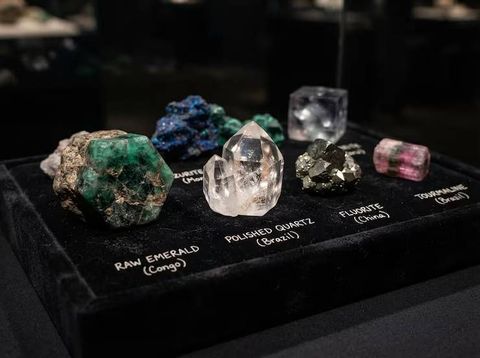
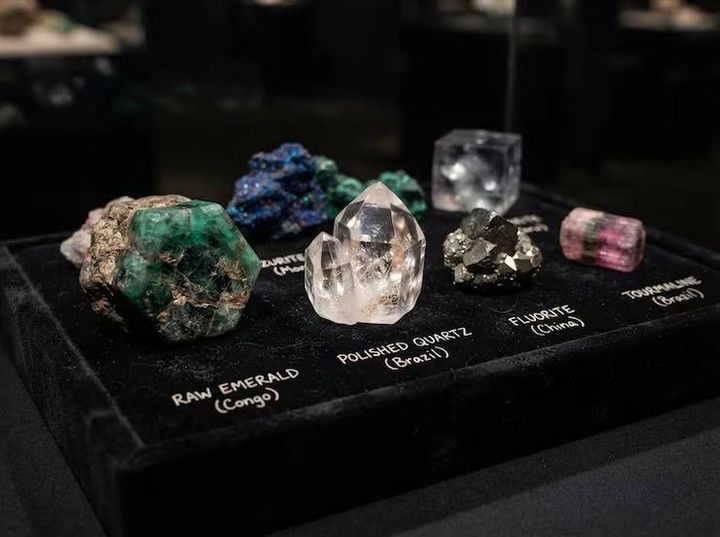
Common gemstones include diamonds, rubies, sapphires, emeralds, amethysts, garnets, and topaz. Each has distinctive characteristics that influence its appearance, durability, rarity, and suitability for different applications. Some gemstones have been valued for thousands of years because of their visual appeal, cultural significance, and use in personal ornaments.
Natural, Laboratory-Created, and Treated Gemstones
Gemstones are generally classified according to their origin and any treatments they have received. Understanding these categories helps readers interpret gemstone descriptions and compare different materials.
Natural gemstones: These develop through geological processes and are extracted from the Earth. They may contain inclusions, colour variations, or growth patterns formed during their development.
Laboratory-created gemstones: These are produced under controlled conditions using methods that reproduce the essential chemical composition and crystal structure of their natural counterparts. Laboratory-created rubies, sapphires, and diamonds are examples.
Treated gemstones: These are natural or laboratory-created materials that undergo processes intended to modify their colour, clarity, or other characteristics. Treatments can include heating, irradiation, dyeing, filling, and surface coating.
A laboratory-created gemstone is not necessarily an imitation. An imitation gemstone is a different material designed to resemble another gemstone visually, such as glass used to imitate a diamond. Clear identification of origin and treatment is therefore important when evaluating gemstone characteristics.
Importance
Why Gemstone Properties Matter
Gemstone properties affect appearance, durability, maintenance requirements, and suitability for different jewellery designs. A gemstone that looks attractive in a display may require particular care because of its hardness, internal structure, or sensitivity to chemicals and temperature changes.
These factors matter to jewellery buyers, collectors, designers, manufacturers, and people selecting gemstones for personal use. Understanding basic gemstone quality factors can also reduce confusion when descriptions use technical terms such as clarity, carat weight, colour saturation, and treatment status.
The Main Gemstone Quality Factors
Several characteristics help describe gemstone quality, although their importance varies according to the gemstone species and intended use.
Colour: Hue describes the basic colour, while tone refers to its lightness or darkness and saturation describes its intensity. Colour preferences differ between gemstones and individual observers.
Clarity: This refers to internal features, known as inclusions, and external characteristics, known as blemishes. Some inclusions are common in particular gemstone varieties and may help identify their natural origin.
Cut: Cutting determines a gemstone's proportions, symmetry, polish, and ability to reflect or transmit light. A well-executed cut can improve visual balance, while poor proportions may affect brightness.
Carat weight: One carat equals 200 milligrams. Carat measures mass rather than physical dimensions, so two gemstones with equal carat weights can have different sizes depending on their density and cut.
Durability: Hardness, toughness, and stability describe different aspects of a gemstone's resistance to damage. These properties influence whether a stone is suitable for rings, necklaces, earrings, or occasional wear.
Comparing Common Gemstone Properties
The Mohs scale measures scratch resistance by comparing a mineral's ability to scratch another material. It is not a direct measurement of toughness or resistance to breaking.
Gemstone | Typical Mohs hardness | Common colours | General care considerations |
|---|---|---|---|
Diamond | 10 | Colourless, yellow, brown and others | Avoid hard impacts despite high hardness |
Ruby | 9 | Red | Protect from strong impacts and inspect settings |
Sapphire | 9 | Blue, pink, yellow and others | Clean according to treatment and setting requirements |
Emerald | 7.5–8 | Green | Often requires gentle handling because of inclusions and fractures |
Amethyst | 7 | Purple | Prolonged intense light may affect some specimens |
Opal | About 5–6.5 | Multicoloured patterns | Avoid sudden temperature changes and unsuitable cleaning methods |
Turquoise | About 5–6 | Blue to green | Protect from chemicals, oils, and excessive moisture |
These values are typical ranges or reference values rather than guarantees for every specimen. Natural variations, treatments, structural features, and the condition of a particular stone can influence its behaviour.
Recent Updates
Gemstone Identification and Disclosure Trends
Recent developments in the gemstone sector have focused on improved identification methods, laboratory-created materials, traceability, and clearer disclosure of gemstone origin. Advances in laboratory production have expanded the availability of synthetic diamonds and coloured gemstones, making accurate identification increasingly relevant to consumers and jewellery professionals.
Gemological laboratories use methods such as spectroscopy, microscopy, and chemical analysis to examine gemstone characteristics. Depending on the material, these methods can help distinguish natural gemstones from laboratory-created counterparts and identify evidence of particular treatments. No single test is appropriate for every gemstone, and some examinations require specialist equipment.
Digital Documentation and Traceability
Digital records are increasingly used to document gemstone characteristics, grading information, provenance claims, and movement through supply chains. Some businesses use digital identification records or traceability platforms to link stones with documentation and transaction records.
These systems can improve record management, but their reliability depends on how the original information was collected and verified. A digital record alone does not establish that every claim about a gemstone is accurate.
Changing Consumer Awareness
Consumer interest increasingly includes gemstone origin, treatment disclosure, environmental considerations, and the distinction between natural and laboratory-created materials. Online jewellery catalogues also provide more detailed descriptions of colour, weight, dimensions, and certification.
However, photographs and digital magnification cannot always reveal treatments, structural weaknesses, or differences in origin. Lighting, screen settings, photography techniques, and image editing can also influence how a gemstone appears. Independent examination remains relevant when precise identification is important.
Laws or Policies
Gemstone Disclosure and Consumer Protection
Gemstone regulations vary by country and depend on the type of transaction, the product description, and the claims made by a seller. Consumer protection and advertising rules generally address misleading descriptions, inaccurate representations, and the disclosure of material information.
For gemstone-related transactions, relevant disclosures may include:
Whether a gemstone is natural, laboratory-created, or an imitation.
Whether treatments have been applied and whether they affect durability or maintenance.
Whether a grading report or identification certificate relates to the specific gemstone.
Whether descriptions of origin, quality, or rarity are supported by appropriate evidence.
The precise legal requirements differ across jurisdictions. Businesses and consumers should consult the applicable local rules rather than assuming that one country's requirements apply worldwide.
Gemstone Documentation and Certification
Gemological reports describe selected characteristics of a gemstone according to the laboratory's methods and reporting standards. Depending on the report, information may include species, variety, weight, measurements, colour, detectable treatments, and conclusions about natural or laboratory-created origin.
A grading or identification report is not automatically a valuation document, ownership record, or guarantee of future market performance. The scope of each report matters, and readers should check whether the document matches the stone being examined.
In international trade, customs requirements, import and export rules, sanctions, and restrictions involving certain materials may also apply. Documentation requirements depend on the country, shipment, and gemstone involved.
Tools and Resources
Gemstone Identification and Evaluation Tools
Several tools can help readers understand gemstone features and interpret technical descriptions.
Mohs hardness references: These explain relative scratch resistance and help compare mineral properties. They should not be treated as complete measures of durability.
Gemstone identification guides: Educational references explain colour, crystal structure, optical effects, inclusions, and common treatments.
Gemological laboratory reports: Reports from established laboratories provide documented findings for a particular gemstone. The laboratory, report number, and stated scope should be checked.
Carat and measurement tools: Precision scales measure weight, while callipers record dimensions. Weight and dimensions should be considered together because gemstone density varies.
Jewellery inspection tools: A loupe or microscope can reveal inclusions, surface wear, facet junctions, and some identifying features. Interpretation may require specialist training.
Questions to Consider When Comparing Gemstones
Before comparing gemstone descriptions, it is useful to establish the material's identity and the information available about its condition.
Evaluation area | Information to examine | Why it matters |
|---|---|---|
Identity | Species, variety, and origin classification | Clarifies what material is being described |
Colour | Hue, tone, saturation, and consistency | Helps assess visual characteristics |
Clarity | Inclusions, fractures, and surface marks | Provides context for appearance and durability |
Cut | Proportions, symmetry, and polish | Influences light performance and visual balance |
Weight | Carat weight and dimensions | Supports accurate comparisons |
Treatment | Heating, filling, dyeing, or other processes | Affects disclosure and care requirements |
Documentation | Report number, laboratory, and report scope | Helps verify the available evidence |
Understanding Gemstone Valuation Information
Gemstone valuation can involve several variables, including species, quality, weight, origin claims, treatment status, documentation, and prevailing market conditions. Similar-looking gemstones may differ substantially in their characteristics and market assessments.
Online calculators and comparison tools can provide general educational estimates, but their results depend on the data and assumptions used. They may not account for every feature of an individual stone. A numerical estimate should therefore be distinguished from a formal appraisal or a laboratory identification report.
FAQs
What Are the Main Gemstone Quality Factors?
The main gemstone quality factors include colour, clarity, cut, carat weight, and durability. Their relative importance varies by gemstone species, intended use, and individual characteristics.
How Can Natural and Laboratory-Created Gemstones Be Distinguished?
Natural gemstones form through geological processes, while laboratory-created gemstones develop under controlled manufacturing conditions. Gemological testing can help distinguish them, but the appropriate method depends on the material.
What Does Gemstone Certification Mean?
A gemstone report documents specific characteristics identified by a laboratory. Its scope may include identity, weight, measurements, treatments, and origin classification, but it does not necessarily establish market value.
Does Higher Mohs Hardness Mean a Gemstone Cannot Break?
No. Mohs hardness measures resistance to scratching, not resistance to impact or fracture. A hard gemstone can still chip or break if struck or mounted improperly.
Which Gemstone Properties Matter for Everyday Jewellery?
Hardness, toughness, stability, treatment status, and setting design are important considerations. Gemstones exposed to frequent impacts or chemicals may require more careful selection and maintenance than those worn occasionally.
Conclusion
Gemstone features include colour, clarity, cut, carat weight, durability, origin, and treatment status. Understanding these properties helps explain differences between natural, laboratory-created, and treated gemstones. Laboratory reports, identification guides, and accurate measurements provide useful information, although each has limitations. Disclosure rules and documentation requirements vary by jurisdiction, making transparent descriptions and reliable evidence important when evaluating gemstones.