Healthcare Technology Guide: Medical Devices, Digital Tools, Innovations and Patient Care
Healthcare technology includes medical devices, digital tools, software, and technical systems used to support patient care, health monitoring, medical research, and healthcare administration. It developed from traditional medical instruments, such as thermometers and stethoscopes, into a broad field that now includes electronic health records, remote monitoring devices, medical imaging systems, and artificial intelligence applications.
Context
Healthcare technology includes medical devices, digital tools, software, and technical systems used to support patient care, health monitoring, medical research, and healthcare administration. It developed from traditional medical instruments, such as thermometers and stethoscopes, into a broad field that now includes electronic health records, remote monitoring devices, medical imaging systems, and artificial intelligence applications.
The purpose of healthcare technology is to help healthcare professionals collect information, examine health conditions, coordinate treatment, and monitor changes in a patient's health. These technologies also allow patients to access certain health records, communicate with healthcare providers, and track selected health measurements. Their capabilities depend on the technology, the clinical setting, and how the information is interpreted.
Types of Healthcare Technology
Healthcare technology covers several categories, each with different functions and limitations.
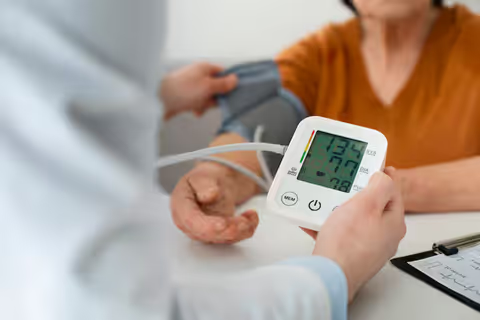
Medical devices: Equipment such as blood pressure monitors, ultrasound machines, heart monitoring systems, and devices used to measure blood oxygen levels.
Digital health tools: Mobile applications, online health portals, electronic appointment systems, and digital records that help organize health information.
Telemedicine technology: Video consultations and secure communication tools that allow patients and healthcare professionals to interact remotely.
Medical imaging technology: X-ray, magnetic resonance imaging, ultrasound, and computed tomography systems that produce images used in medical assessment.
Healthcare data systems: Software used to store patient records, manage clinical information, and coordinate activities across healthcare facilities.
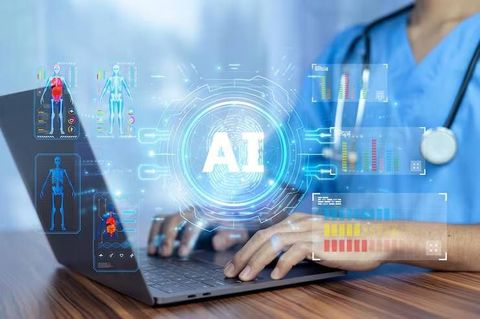
Artificial intelligence tools: Systems that analyze medical images, organize information, identify patterns, or assist with selected clinical tasks under appropriate oversight.
These categories often overlap. For example, a remote patient monitoring system may combine a wearable device, a mobile application, a data transmission system, and software that presents measurements to a healthcare professional.
How Healthcare Technology Developed
Early medical technology focused on physical instruments and laboratory equipment. Electronic records, computerized imaging, and hospital information systems later made it possible to store and process larger amounts of health information.
Internet access, mobile computing, connected sensors, and cloud-based systems have expanded these capabilities. Healthcare technology now supports activities ranging from routine health monitoring to complex medical procedures, although not every technology is appropriate for every patient or setting.
Importance
Healthcare technology matters because medical decisions often depend on accurate information, timely communication, and coordinated care. Digital records can help healthcare professionals review a patient's medical history, while diagnostic equipment can provide measurements or images that support clinical assessment.
These tools also affect patients, caregivers, hospitals, laboratories, researchers, and public health organizations. In areas where healthcare facilities are difficult to reach, remote consultation and monitoring may help people communicate with qualified professionals without traveling for every interaction. However, remote technology cannot replace every physical examination, diagnostic test, or emergency intervention.
Common Healthcare Challenges
Technology can help address several practical challenges:
Information management: Digital records help organize medical histories, test results, prescriptions, and clinical notes.
Health monitoring: Connected devices can record selected measurements over time, helping identify changes that may need professional review.
Communication: Secure digital systems can support information sharing between authorized healthcare professionals and patients.
Diagnostic assessment: Medical imaging and laboratory equipment provide information that supports clinical evaluation.
Access to care: Telemedicine can connect patients with healthcare professionals when an in-person visit is difficult.
Administrative coordination: Digital scheduling, reporting, and record systems can reduce repetitive paperwork and improve information organization.
Technology also creates challenges involving privacy, cybersecurity, equipment maintenance, staff training, accessibility, and data accuracy. Digital systems may be difficult for people with limited internet access, low digital literacy, or certain disabilities to use without appropriate support.
Examples of Healthcare Technologies
| Technology | Main function | Important consideration |
|---|---|---|
| Electronic health records | Organize patient information | Privacy and accurate data entry |
| Blood pressure monitors | Measure blood pressure | Correct technique and suitable equipment |
| Medical imaging systems | Produce diagnostic images | Interpretation by qualified professionals |
| Wearable health devices | Track selected measurements | Accuracy varies by device and measurement |
| Telemedicine platforms | Support remote consultations | Some conditions require in-person assessment |
| AI-assisted medical software | Analyze data or support selected tasks | Clinical validation and human oversight |
The table describes general uses rather than guaranteed clinical outcomes. A device or software system should be assessed according to its intended purpose and the evidence supporting its use.
Recent Updates
Healthcare technology continues to develop through advances in artificial intelligence, connected medical devices, digital records, and remote monitoring. During 2024–2026, these areas have remained important themes in healthcare research and technology development. Adoption varies considerably between countries, healthcare systems, and individual medical facilities.
Artificial Intelligence in Healthcare
Artificial intelligence is being studied and used for tasks such as analyzing medical images, summarizing clinical documentation, identifying patterns in health data, and supporting administrative processes. Some systems can assist with specific diagnostic or workflow tasks, but their performance depends on the data, intended use, and clinical environment.
AI-generated information may contain errors or overlook relevant details. Systems can also perform differently across patient populations if their development data do not adequately represent those groups. Appropriate testing, professional review, and clear responsibility for decisions remain important.
Remote Monitoring and Wearable Devices
Wearable devices and connected medical equipment can record selected measurements, including heart rate, activity, sleep patterns, and, where supported, blood oxygen levels. Certain medical monitoring systems transmit measurements to healthcare teams for review.
These technologies may provide useful information between appointments, particularly for people whose conditions require ongoing observation. However, consumer wearables do not necessarily have the same accuracy, validation, or regulatory status as medical devices intended for clinical use. An unexpected reading should be interpreted in context rather than treated as a diagnosis on its own.
Interoperability and Digital Health Records
Interoperability means that different digital systems can exchange and interpret information in a usable way. Better data exchange can help reduce fragmented records when patients receive care from multiple facilities.
Healthcare organizations are also exploring standardized data formats, stronger access controls, and improved cybersecurity practices. Progress depends on technical compatibility, regulatory requirements, funding, and the willingness of organizations to share information appropriately.
Laws or Policies
Healthcare technology is shaped by rules governing medical devices, patient privacy, electronic records, cybersecurity, and clinical practice. The applicable requirements depend on the technology's intended purpose, the organization using it, and the country in which it operates.
Medical Device Regulation in India
In India, medical devices are regulated under the Drugs and Cosmetics Act, 1940, and the Medical Devices Rules, 2017, along with applicable amendments and related requirements. The Central Drugs Standard Control Organisation (CDSCO) oversees relevant regulatory functions, including specified licensing and regulatory processes for medical devices.
Requirements vary according to device classification and intended use. A product used for general wellness may be treated differently from a device intended to diagnose, monitor, or treat a medical condition. Manufacturers and importers must follow the requirements applicable to their products, which may include registration, licensing, quality controls, or other regulatory obligations.
Digital Health and Patient Data
India's Ayushman Bharat Digital Mission aims to support a connected digital health ecosystem through digital health records and related infrastructure. Participation and implementation depend on the relevant systems, institutions, and applicable requirements.
Patient information must also be handled in accordance with applicable privacy and data-protection laws. India's Digital Personal Data Protection Act, 2023, and associated rules and commencement arrangements form part of the evolving framework for digital personal data. The precise obligations depend on which provisions are in force and how the law applies to the organization and information involved.
Safety, Privacy, and Responsible Use
Healthcare technology providers and users need to consider data security, authorized access, record accuracy, and appropriate use. Medical software that falls within a regulated category may be subject to additional requirements based on its function and risk.
Patients should understand what information a digital health application collects, how it is used, and whether it can be shared with other organizations. Healthcare technology supports medical care, but it does not independently replace professional judgment or established emergency procedures.
Tools and Resources
Healthcare technology resources can help patients understand medical devices, manage personal health information, and learn how digital health systems operate. The suitability of a particular tool depends on the user's needs and the reliability of the information provided.
Medical and Digital Health Resources
The following resources provide information about healthcare technology and related systems:
Central Drugs Standard Control Organisation (CDSCO): Information on medical device regulation and applicable regulatory requirements in India.
Ayushman Bharat Digital Mission: Information about India's digital health ecosystem and related infrastructure.
World Health Organization (WHO): Publications covering digital health, health technology, safety, and health system development.
National Health Authority: Information about India's digital health initiatives and associated programs.
Healthcare provider portals: Digital platforms that may allow patients to review selected medical records, test results, and appointment details.
The availability of specific features depends on the organization, region, and account permissions. Official documentation is particularly relevant when checking regulatory status or understanding how health information is handled.
Practical Tools for Managing Health Information
Personal health record templates can help people organize medication lists, allergies, medical appointments, test dates, and questions for healthcare professionals. Device manuals can explain measurement procedures, maintenance requirements, warning indicators, and operating limitations.
When using digital health applications, relevant considerations include data encryption, account security, access permissions, compatibility with other systems, and the ability to correct inaccurate information. Health measurements and automated interpretations should be discussed with an appropriately qualified healthcare professional when they may affect medical decisions.
FAQs
What is healthcare technology?
Healthcare technology includes medical devices, digital applications, clinical software, and information systems used to support health monitoring, diagnosis, treatment, research, and patient care.
How do medical devices and digital health tools differ?
Medical devices are designed for specific medical purposes, such as measuring physiological conditions or supporting diagnosis. Digital health tools may organize records, support communication, or track general wellness, depending on their intended function.
How is artificial intelligence used in healthcare technology?
AI can assist with medical image analysis, clinical documentation, data analysis, and selected administrative tasks. Its output requires appropriate validation and oversight, and it does not automatically establish a diagnosis.
Are wearable health devices accurate?
Accuracy varies according to the device, measurement, usage conditions, and individual circumstances. Consumer devices may provide useful trends but should not automatically be treated as equivalent to clinically validated medical equipment.
How is patient data protected in digital healthcare systems?
Protection can involve access controls, encryption, security monitoring, organizational policies, and applicable privacy laws. The level of protection depends on the system and how the organization implements these safeguards.
Conclusion
Healthcare technology combines medical devices, digital tools, data systems, and emerging innovations to support patient care and health information management. Artificial intelligence, wearable devices, telemedicine, and connected records continue to influence how healthcare information is collected and used. Their effectiveness depends on appropriate validation, responsible implementation, data protection, and professional oversight. Regulatory requirements and individual clinical circumstances remain important considerations when these technologies are used.