Himalayan Mountain Adventures Explore: Trekking Trails, Mountain Landscapes, Activities and Routes
Himalayan mountain adventures include trekking, hiking, mountain sightseeing, cultural journeys, nature observation, and other outdoor activities across the Himalayan region. The Himalayas extend across several countries, including Nepal, India, Bhutan, Pakistan, and parts of China. The landscape contains valleys, forests, high-altitude passes, glaciers, rivers, villages, and some of the world's highest mountains.
Trekking developed as a way for people to travel through remote mountain areas on foot. Over time, walking routes became connected with cultural exploration, nature study, mountaineering, and tourism. In Nepal, established trekking regions include Everest, Annapurna, Langtang, Kanchenjunga, Manaslu, and Dolpo. Nepal Tourism Board notes that many trekking routes pass through elevations between about 1,000 and 4,000 meters, while some sections rise above 5,000 meters.
Types of Trekking Trails
Himalayan trekking trails vary considerably in length, elevation, terrain, and cultural setting. Some routes pass through forests and villages at moderate elevations, while others cross high mountain passes and remote valleys.
Common route categories include:
- Valley and village trails, which generally combine walking with views of farms, forests, and settlements.
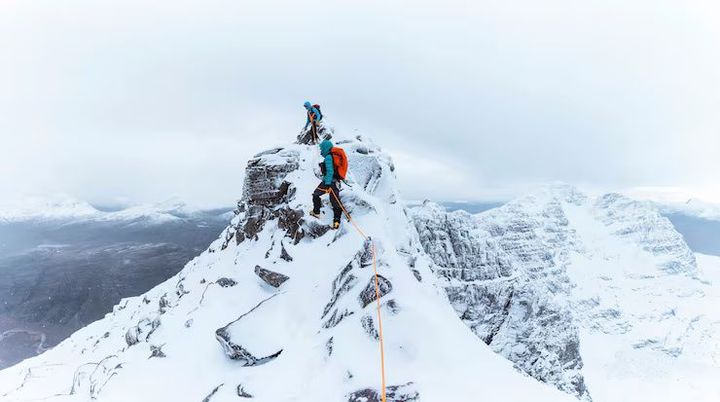
- High-altitude trekking routes, which involve thinner air, colder conditions, and more demanding terrain.
- Cultural routes, which pass through communities, monasteries, temples, and traditional settlements.
- Long-distance trails, which connect several valleys and mountain regions over extended journeys.
- Conservation-area routes, where travelers pass through landscapes managed for ecological and cultural protection.
The Great Himalayan Trail in Nepal is a long-distance network extending roughly 1,700 kilometers across the country. It connects mountain landscapes from the eastern Kanchenjunga area toward the western region of Humla.
Importance
Why Mountain Landscapes Matter
Himalayan mountain landscapes have environmental, cultural, and economic importance. The mountains contain glaciers, rivers, forests, alpine meadows, and habitats for wildlife. Water originating in the Himalayan region also supports communities and ecosystems far beyond individual trekking routes.
For travelers, these landscapes provide opportunities to understand how geography influences settlement, agriculture, transportation, architecture, and local traditions. A trekking route may pass from subtropical vegetation into temperate forests and then into alpine environments as elevation increases.
Activities Beyond Trekking
Mountain adventures are not limited to long-distance walking. Depending on the location and regulations, activities can include mountain photography, bird observation, cultural visits, camping, mountain biking, rafting in nearby valleys, and mountaineering.
The type of activity depends on terrain, altitude, season, permits, and individual experience. Mountaineering also has different requirements from trekking because climbing higher peaks can involve technical equipment, specialized knowledge, and additional permits.
Altitude and Physical Conditions
Altitude is an important factor in Himalayan travel. As elevation increases, air pressure decreases and the body receives less oxygen with each breath. Some people can experience altitude-related problems even when they have previously been physically active at lower elevations.
Weather can also change quickly in mountain environments. Temperature, snowfall, rain, wind, trail conditions, and visibility can vary between valleys and higher elevations. Route planning therefore needs to account for elevation changes rather than distance alone.
| Trekking factor | Why it matters | Typical consideration |
|---|---|---|
| Elevation | Affects oxygen availability and temperature | Gradual altitude gain |
| Terrain | Influences walking difficulty | Trails, rocks, snow, passes |
| Weather | Can change visibility and trail conditions | Seasonal forecasts |
| Route length | Affects daily walking requirements | Distance and rest periods |
| Permits | Some areas have controlled access | Route-specific requirements |
| Environment | Sensitive ecosystems may need protection | Waste and trail practices |
Recent Updates
Changes in Himalayan Adventure Tourism
Recent developments across Himalayan tourism have included greater attention to trail diversification, cultural tourism, environmental protection, and digital information. In Nepal, tourism authorities have continued documenting tourism statistics and developing information resources for visitors and trekking areas.
One notable development has been increased attention toward routes outside the traditional Everest, Annapurna, and Langtang regions. Nepal Tourism Board has identified areas such as Kanchenjunga and Dolpo as gaining attention, while several heritage and community-oriented trails are also being developed.
New and Developing Routes
The Mundum Trail in eastern Nepal received particular attention through a tourism initiative associated with the 2025 Visit Year. The route passes through parts of Koshi Province and combines mountain scenery with Kirat cultural traditions. The trail is approximately 80 kilometers long and reaches elevations of around 4,110 meters at Silichung Hill.
Nepal Tourism Board has also reported ongoing research and sustainable tourism projects involving trekking areas such as Kanchenjunga, Manaslu, and Api-Saipal. These efforts are intended to improve understanding of trail potential, infrastructure, environmental considerations, and community participation.
Digital Planning Resources
Another current trend is the increased use of digital tools for route research. Online maps, weather information, permit portals, park information, trail reports, and tourism databases can help travelers understand routes before entering mountain areas.
Digital information does not replace local regulations or conditions on the ground. Mountain roads and trails can change because of weather, landslides, snowfall, construction, or other environmental factors.
Laws or Policies
Trekking Rules in Nepal
Nepal has specific regulations for trekking in protected and restricted areas. The exact requirements depend on the route and location. According to the Nepal Tourism Board, trekkers need the appropriate Trekker's Information Management System documentation and must obtain entry permits for relevant protected areas.
Protected areas include national parks and conservation areas such as Sagarmatha National Park, Langtang National Park, Annapurna Conservation Area, Manaslu Conservation Area, and Kanchenjunga Conservation Area. Entry requirements and applicable fees vary by area and traveler category.
Restricted Areas
Some Himalayan locations in Nepal are classified as restricted areas. Special trekking permits may be required, and travelers are expected to remain within the route specified by the permit. Nepal's Department of Immigration provides information and an online system related to trekking permits, including individual permit applications.
Mountaineering has separate rules from ordinary trekking. Nepal Tourism Board states that larger mountain climbing permits are handled through the Ministry of Culture, Tourism and Civil Aviation, while certain smaller trekking peaks are administered through the Nepal Mountaineering Association.
Because regulations, permit requirements, and fees can change, travelers should verify current requirements with the relevant government authority before entering a controlled area.
Tools and Resources
Maps and Navigation
Digital mapping platforms can help users understand distances, elevation profiles, trail junctions, settlements, and nearby geographic features. Offline map functions can be useful where mobile connectivity is limited, although maps should be treated as planning references rather than a complete substitute for local information.
Weather and Mountain Information
Weather applications and official meteorological information can help travelers monitor temperature, precipitation, wind, and visibility. Higher mountain routes may experience conditions that differ substantially from nearby cities or lower valleys.
Government and Tourism Websites
Useful online resources include the Nepal Tourism Board for trekking information, protected-area details, park entry information, and general travel guidance. The Department of Immigration provides information about trekking permits and restricted areas.
Planning Checklist
A general Himalayan trekking checklist can include:
- Route maps and elevation information
- Current weather information
- Required identification documents
- Applicable trekking or protected-area permits
- Appropriate clothing for changing temperatures
- Navigation equipment or offline maps
- Water and food planning
- Emergency communication arrangements
- Information about local environmental rules
- A record of important emergency contacts
The exact equipment and preparation depend on altitude, season, route length, terrain, and the activities planned.
FAQs
What are Himalayan mountain adventures?
Himalayan mountain adventures include trekking, hiking, mountain sightseeing, cultural exploration, camping, nature observation, and mountaineering across Himalayan regions. The activities vary according to geography, elevation, regulations, and local conditions.
Which Himalayan trekking trails are commonly known?
In Nepal, widely documented trekking regions include Everest, Annapurna, and Langtang. Kanchenjunga, Manaslu, Dolpo, and other areas also contain established or developing trekking routes.
What should travelers know about Himalayan mountain landscapes?
Mountain landscapes can change rapidly with elevation. Travelers may encounter forests, grasslands, rocky terrain, glaciers, snow, rivers, and high mountain passes during a single journey. Weather and altitude should therefore be considered when studying a route.
Are permits required for Himalayan trekking?
Permit requirements depend on the country, route, protected area, and whether the location is classified as restricted. In Nepal, protected areas require applicable entry permits, while restricted areas can require special trekking permits.
What activities are available besides trekking?
Depending on the location, activities can include photography, wildlife observation, cultural visits, camping, mountain biking, rafting, and mountaineering. Each activity can have different equipment, environmental rules, and permit requirements.
Conclusion
Himalayan mountain adventures combine trekking trails, mountain landscapes, cultural experiences, and outdoor activities across a geographically diverse region. Route difficulty is influenced by elevation, terrain, weather, distance, and local regulations. Recent developments have included greater attention to lesser-known trails, cultural routes, sustainable tourism, and digital travel information. In Nepal, protected and restricted areas have specific permit requirements that should be checked through current official sources before travel.