Sleep Tourism Guide: Hotels, Sleep Programs, Relaxation Methods and Vacation Planning
A Sleep Tourism Guide explains how travelers plan vacations around rest, relaxation, and healthy sleep routines. Sleep tourism refers to travel experiences in which sleeping well and creating a restful environment are central parts of the trip. Hotels, wellness retreats, and resorts may provide quiet rooms, relaxation activities, sleep-focused programs, and facilities designed to support a comfortable night.
Context
A Sleep Tourism Guide explains how travelers plan vacations around rest, relaxation, and healthy sleep routines. Sleep tourism refers to travel experiences in which sleeping well and creating a restful environment are central parts of the trip. Hotels, wellness retreats, and resorts may provide quiet rooms, relaxation activities, sleep-focused programs, and facilities designed to support a comfortable night.
The idea draws on established traditions of wellness travel, spa retreats, and restorative holidays. However, sleep tourism places particular attention on the sleeping environment, nighttime routines, and factors that may interfere with rest. Some travelers choose a peaceful destination to take a break from daily demands, while others explore structured programs that combine relaxation, gentle activities, and sleep education.
Understanding Sleep Tourism
Sleep tourism can involve different types of accommodation and activities. A hotel might provide sound-reducing room features, adjustable lighting, comfortable bedding, or guided relaxation sessions. A wellness retreat may combine these elements with meditation, gentle movement, time outdoors, and educational discussions about sleep habits.
Sleep-focused travel is not the same as medical treatment for a sleep disorder. Although a relaxing vacation may help some people establish calmer routines, travel experiences cannot reliably resolve every cause of poor sleep. Persistent sleep difficulties may require assessment by a qualified healthcare professional.
Common Sleep Tourism Experiences
Travelers may encounter several types of sleep-focused accommodation and programs:
Sleep-focused hotels: Properties that emphasize quiet surroundings, comfortable bedding, lighting controls, and nighttime routines.
Wellness retreats: Accommodation that combines relaxation activities, meditation, gentle exercise, and scheduled periods of rest.
Nature-based stays: Lodges or countryside retreats where visitors can spend time in quieter outdoor settings.
Spa and relaxation vacations: Trips that include relaxation rooms, warm baths, massage arrangements, or other calming activities.
Digital-detox retreats: Experiences that encourage reduced screen use and more structured periods away from digital devices.
The activities included in these experiences differ by property. A hotel may provide a peaceful room without a formal sleep program, while a retreat may organize daily sessions around relaxation and sleep education.
Importance
Sleep tourism has attracted attention as travelers look for holidays that provide a break from demanding schedules and crowded environments. Work commitments, irregular routines, travel across time zones, noise, and late-night screen use can affect sleeping patterns. A vacation centered on rest gives travelers an opportunity to consider these influences and create more consistent routines.
This type of travel may appeal to people with demanding work schedules, frequent travelers, couples seeking a quiet break, and individuals who prefer wellness activities over busy sightseeing itineraries. Families may also value accommodation with quiet rooms and flexible daily schedules, although children's sleep needs and routines can differ from those of adults.
Factors That Affect Rest During a Vacation
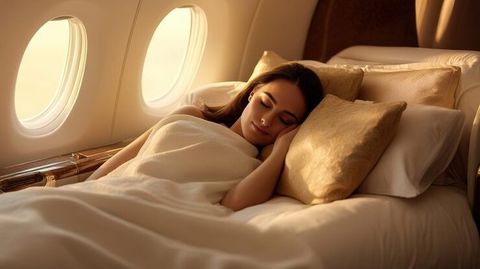
A comfortable sleeping environment involves more than a soft mattress. Temperature, noise, light, bedding, room layout, and personal routines can all influence how easily a person settles down at night.
Important considerations include:
Noise levels: Traffic, entertainment areas, neighboring rooms, and building activity can interrupt sleep.
Lighting: Blackout curtains, adjustable lamps, and reduced evening brightness may support a calmer nighttime environment.
Room temperature: Individual comfort preferences and the ability to adjust heating or cooling can matter.
Bedding and room layout: Mattress firmness, pillow choices, and suitable sleeping arrangements vary between travelers.
Daily schedules: Late meals, long excursions, and irregular bedtimes can make it harder to maintain familiar routines.
Travel fatigue: Long journeys and changes in time zones may temporarily affect sleep timing.
Travelers should also consider whether scheduled activities leave enough time for rest. A packed itinerary can conflict with the purpose of a sleep-focused vacation, particularly when early departures and late evenings are involved.
Comparing Sleep Tourism Options
| Accommodation type | Common features | Planning considerations |
|---|---|---|
| Sleep-focused hotel | Quiet rooms, adjustable lighting, comfortable bedding | Room location and nighttime noise |
| Wellness retreat | Relaxation sessions and structured activities | Schedule, physical requirements, program details |
| Nature lodge | Outdoor surroundings and quieter settings | Weather, transport, insects, local noise |
| Spa retreat | Relaxation areas and scheduled treatments | Treatment availability and personal preferences |
| Digital-detox retreat | Reduced screen use and planned offline time | Communication access and activity rules |
These categories can overlap. The actual environment, available facilities, and program structure are more useful for comparison than the label attached to a property.
Recent Updates
Between 2024 and 2026, sleep tourism has continued to develop alongside broader interest in wellness travel, personalized accommodation, and technology-assisted travel planning. Some hotels and retreats have expanded their attention to sleep environments, including lighting, bedding, relaxation activities, and information about nighttime routines. The range of programs differs across destinations, and not every property marketed around wellness provides specialized sleep support.
Technology and Sleep-Focused Accommodation
Some accommodation providers use smart lighting, temperature controls, sound-reducing design, and digital room settings to help guests adjust their surroundings. Certain properties also incorporate sleep-tracking devices or wearable technology into wellness experiences. These tools may record estimates of sleep duration, movement, or sleep stages, but their accuracy varies by device and measurement method.
Digital travel platforms have also made it easier to compare room facilities, guest feedback, and retreat schedules before arrival. However, descriptions of sleep programs may not explain the evidence behind every activity or device. Claims about health outcomes should therefore be distinguished from descriptions of the actual facilities provided.
Growing Interest in Mindful Travel
Some wellness vacations combine sleep routines with meditation, breathing exercises, gentle yoga, nature walks, and reduced evening screen use. These activities may create opportunities to relax, although their effects differ between individuals. A structured program may suit travelers who enjoy scheduled sessions, while others may prefer quiet accommodation and an independent routine.
Environmental considerations are also relevant to nature-based retreats. Properties may describe energy management, water conservation, or local environmental practices. Such features can inform travel planning, but they are separate from evidence about whether a particular program improves sleep.
Laws or Policies
Sleep tourism is generally covered by the rules that apply to hotels, wellness retreats, travel businesses, consumer transactions, and health-related activities. Requirements depend on the destination and the nature of the program. A hotel providing accommodation and relaxation sessions may face different obligations from a facility that provides clinical assessment or treatment.
Accommodation and Consumer Rules in India
In India, hotels and retreats may be subject to state and local rules involving property operations, building safety, fire protection, food preparation, and other applicable requirements. The specific obligations depend on the location, type of establishment, and activities conducted there.
The Consumer Protection Act, 2019, provides a framework for addressing specified consumer rights and unfair trade practices. Accommodation descriptions, booking conditions, cancellation rules, and representations about program features may be relevant when assessing a consumer dispute. The application of the law depends on the facts and circumstances.
Health Claims, Privacy, and Guest Information
Sleep tourism programs should be distinguished from medical care. A relaxation session or wellness package does not automatically qualify as a clinical intervention, and statements about treating insomnia or other disorders require appropriate scrutiny. Travelers with persistent sleep problems should not assume that a holiday program replaces professional assessment.
Some retreats collect personal information through booking forms, wellness questionnaires, or wearable devices. Travelers should understand what information is collected, how it is used, and whether participation in tracking activities is optional. India's Digital Personal Data Protection Act, 2023, and the associated rules and commencement arrangements form part of the country's evolving data-protection framework. The provisions applicable to a particular activity depend on the law in force and the circumstances.
Tools and Resources
Travel planning tools can help compare accommodation, organize a sleep-focused itinerary, and maintain familiar routines while away from home. Their usefulness depends on the traveler's needs and the information provided by each platform.
Hotel and Retreat Search Platforms
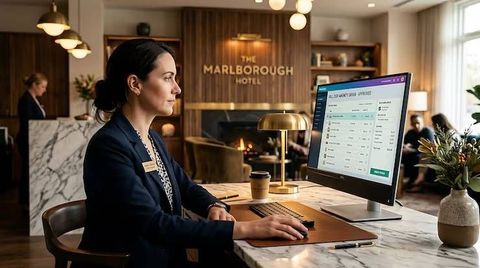
Booking.com, Expedia, and Google Hotels provide accommodation listings that can be filtered by location, dates, facilities, and guest feedback. Travelers can examine descriptions for quiet-room options, blackout curtains, temperature controls, wellness facilities, and flexible schedules where these details are available.
Official hotel and retreat websites may provide more information about scheduled relaxation activities, room layouts, meal arrangements, and program requirements. Written confirmation can clarify whether a particular activity is included in a reservation or requires a separate booking.
Sleep Education and Planning Tools
The National Heart, Lung, and Blood Institute provides educational information about sleep health and sleep-related conditions. The US Centers for Disease Control and Prevention also publishes general sleep-health guidance. These resources can help travelers understand ordinary sleep routines, although they do not replace individual medical advice.
Travelers may also use a sleep diary, calendar, or spreadsheet to organize bedtime routines and vacation schedules. A simple planning table can record travel times, planned activities, expected bedtime, wake-up time, and periods reserved for rest.
Planning a Sleep-Focused Vacation
A practical sleep tourism plan can include the following steps:
Select a destination that suits personal preferences for noise, climate, and daily activity.
Review room features, including curtains, temperature controls, bedding, and location within the property.
Check the retreat schedule and the time allocated for unstructured rest.
Consider travel time zones and allow room for adjustment after long journeys.
Review cancellation conditions, program requirements, and any additional charges.
Keep familiar nighttime routines where practical, including consistent sleep and wake times.
A flexible schedule can make it easier to balance relaxation with sightseeing, dining, and other holiday activities.
FAQs
What is sleep tourism, and how does it work?
Sleep tourism is travel planned around rest and sleep-related experiences. It may involve quiet hotels, wellness retreats, relaxation sessions, comfortable sleeping environments, and educational activities about sleep routines.
What facilities should a sleep tourism hotel provide?
Depending on the property, relevant features may include quiet rooms, blackout curtains, adjustable lighting, temperature controls, comfortable bedding, and relaxation areas. The availability of these features varies, so individual room details matter.
Are sleep tourism programs suitable for people with insomnia?
Some programs focus on relaxation and sleep education, but they are not necessarily designed to treat insomnia. People experiencing persistent sleep difficulties should consult a qualified healthcare professional to understand appropriate care options.
How can travelers plan a sleep-focused vacation?
Travelers can compare accommodation features, choose a manageable itinerary, account for time-zone changes, and reserve enough time for rest. Reviewing program schedules and room conditions helps clarify whether a destination matches their preferences.
What tools help with sleep tourism planning?
Hotel comparison platforms, official retreat websites, sleep diaries, calendar applications, and established sleep-education resources can support planning. Wearable sleep trackers may provide estimates, but their measurements should not be treated as medical diagnoses.
Conclusion
Sleep tourism combines accommodation, relaxation activities, and vacation planning around the goal of creating a restful travel experience. Hotels and retreats may use quiet room designs, lighting controls, wellness sessions, and flexible schedules to support this purpose. Facilities, program structures, and applicable regulations vary by destination, while technology-based sleep measurements have limitations. Understanding these differences helps explain how sleep-focused travel fits within the wider wellness tourism sector.