How Auto Insurance Trends Are Shaping the Future of Vehicle Coverage
The auto insurance industry is evolving rapidly as technology, consumer expectations, and vehicle innovations reshape how insurers assess risk and provide coverage.
From connected vehicles and telematics to artificial intelligence (AI) and electric vehicles (EVs), Auto Insurance Trends are influencing pricing models, claims processing, customer service, and policy customization. Understanding these trends can help drivers and businesses make informed decisions about vehicle insurance.
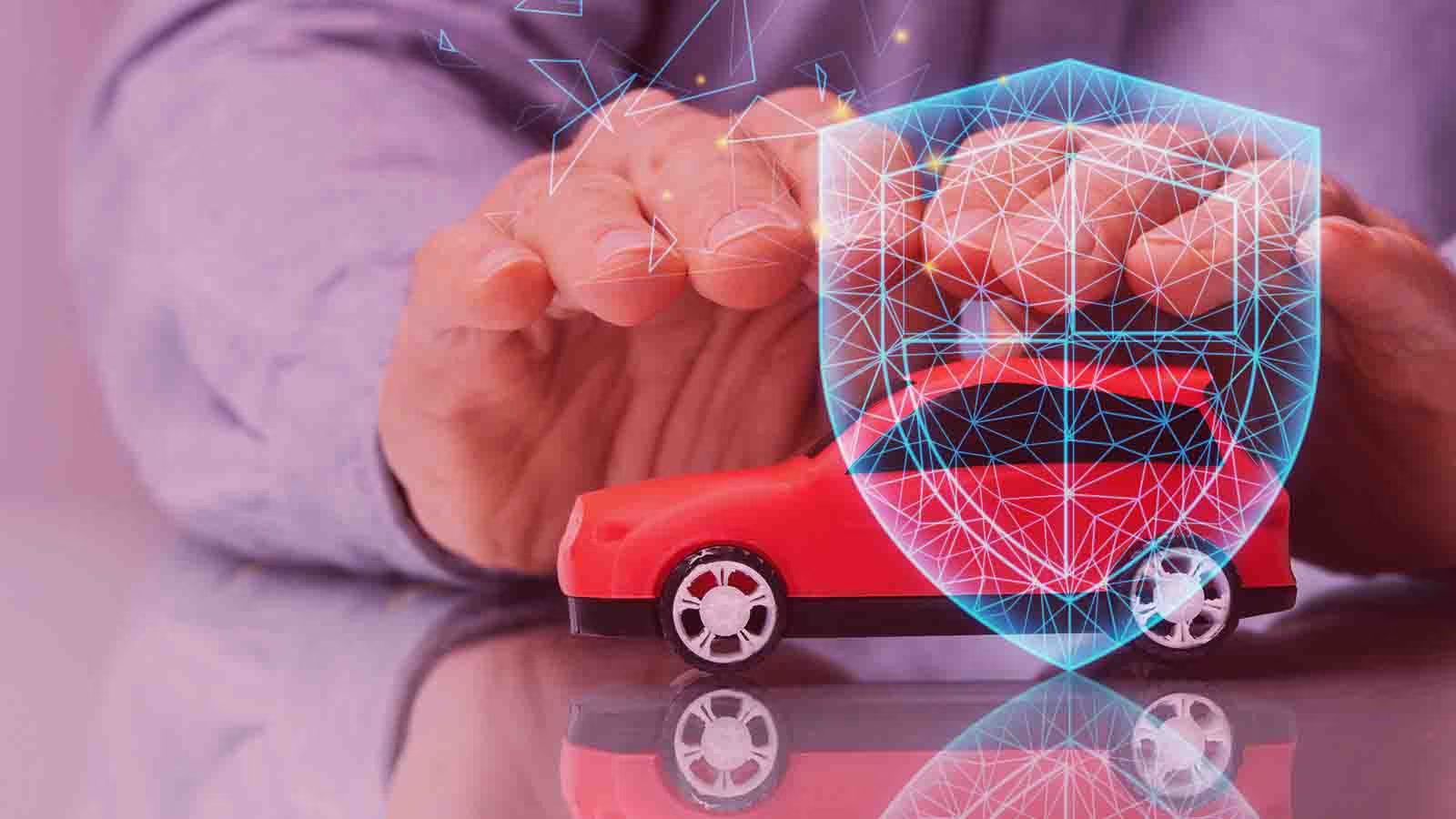
Digital transformation has enabled insurers to offer more personalized products, faster claims handling, and improved online policy management. At the same time, changing regulations, cybersecurity concerns, and new mobility solutions continue to influence the future of auto insurance.
This guide explores the latest auto insurance trends, emerging technologies, policy considerations, and what drivers can expect in the years ahead.
Note: Insurance products, premiums, discounts, coverage limits, deductibles, eligibility, and regulations vary by insurer and jurisdiction. This article is intended for general educational purposes only and should not be considered financial, legal, or insurance advice.
What Are Auto Insurance Trends?
Auto Insurance Trends refer to the changing technologies, market developments, consumer behaviors, and regulatory updates that influence how vehicle insurance policies are designed, priced, and managed.
These trends affect:
Individual drivers
Commercial fleet operators
Insurance companies
Vehicle manufacturers
Technology providers
Regulatory agencies
As transportation continues to evolve, insurance products are adapting to new risks and opportunities.
Why Auto Insurance Is Changing
Several factors are driving innovation in the insurance industry.
Key influences include:
Connected vehicles
Artificial intelligence
Telematics technology
Electric vehicle adoption
Autonomous driving research
Digital customer experiences
Cybersecurity risks
Data-driven underwriting
These developments help insurers better understand risk while improving customer services.
Major Auto Insurance Trends
Usage-Based Insurance (UBI)
Telematics devices or mobile applications can collect driving data, such as mileage, braking, acceleration, and driving times. Some insurers use this information to personalize premiums where permitted.
Artificial Intelligence
AI supports underwriting, fraud detection, claims processing, customer service, and predictive analytics.
Digital Claims Processing
Many insurers now offer mobile claims reporting, photo-based damage assessments, and automated claim tracking.
Electric Vehicle Insurance
The growing number of electric vehicles has prompted insurers to develop specialized coverage options that consider battery systems, charging equipment, and repair requirements.
Connected Vehicles
Vehicles equipped with internet connectivity provide data that may support accident prevention, maintenance alerts, and insurance innovation.
Cyber Risk Protection
As vehicles become more connected, insurers are evaluating cybersecurity risks associated with digital vehicle systems.
Benefits of Modern Insurance Technology
Technology is improving the insurance experience for many policyholders.
Potential benefits include:
Faster claims processing
Personalized coverage options
Improved customer service
More accurate risk assessment
Convenient mobile policy management
Better fraud detection
Enhanced digital communication
Streamlined policy renewals
The availability of these features depends on the insurer and policy.
Choosing Auto Insurance
When comparing policies, consider factors beyond the premium.
Review:
Coverage limits
Deductibles
Policy exclusions
Claims process
Customer support
Available discounts
Digital account management
Financial strength of the insurer
Careful comparison helps identify policies that best meet individual needs.
Auto Insurance Trends Overview
| Trend | Primary Impact |
|---|---|
| Telematics | Personalized driving-based pricing |
| Artificial Intelligence | Faster underwriting and claims |
| Connected Vehicles | Improved data collection |
| Electric Vehicles | Specialized coverage options |
| Digital Claims | Faster claim submission and processing |
| Mobile Apps | Convenient policy management |
Best Practices for Policyholders
Drivers can take several steps to manage their insurance effectively.
Helpful recommendations include:
Review your policy annually.
Compare coverage from multiple insurers.
Maintain safe driving habits.
Ask about available discounts.
Keep vehicle maintenance records.
Understand policy exclusions.
Use digital tools when available.
Report accidents promptly according to policy requirements.
Regular policy reviews help ensure coverage remains appropriate.
Current Industry Developments
The insurance sector continues to innovate.
Recent developments include:
AI-assisted risk modeling
Predictive claims analytics
Embedded vehicle insurance
Contactless claims processing
Cloud-based insurance platforms
Real-time driver feedback
Blockchain research for claims verification
Expanded cybersecurity solutions
These technologies support greater efficiency and customer convenience.
Looking Ahead
The future of Auto Insurance Trends is expected to include broader adoption of usage-based insurance, deeper integration with connected vehicles, expanded electric vehicle coverage, and increasing use of artificial intelligence for underwriting and customer service. As transportation technologies continue to advance, insurance products are likely to become even more personalized and digitally connected.
Why Understanding Auto Insurance Trends Matters
Understanding Auto Insurance Trends helps drivers evaluate changing insurance options, compare modern coverage features, and prepare for future developments in vehicle protection. Staying informed enables consumers to make better decisions as insurance technology and mobility continue to evolve.
Conclusion
Auto Insurance Trends are transforming the way vehicle coverage is designed, purchased, and managed. Advances in artificial intelligence, telematics, connected vehicles, and digital claims processing are creating more personalized and efficient insurance experiences for drivers. By understanding these emerging trends and reviewing policy options regularly, individuals and businesses can make informed decisions that support both financial protection and long-term mobility needs.