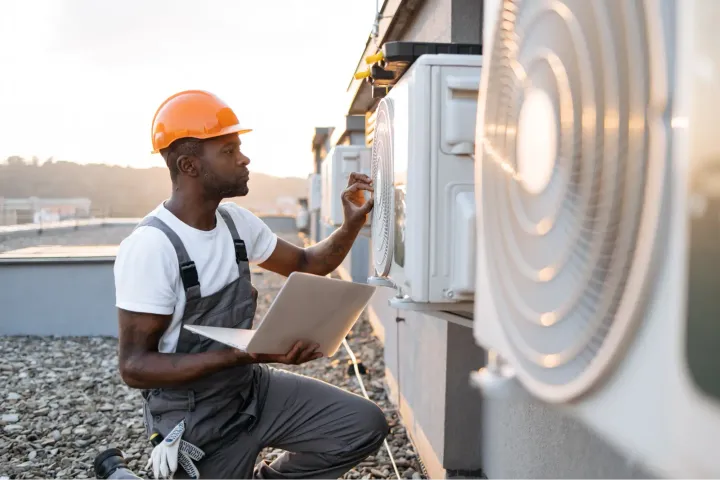
How HVAC Maintenance Improves System Performance and Indoor Comfort
Heating, ventilation, and air conditioning (HVAC) systems play a vital role in maintaining comfortable indoor temperatures, supporting healthy air quality, and improving energy efficiency in residential, commercial, and industrial buildings.
Regular HVAC Maintenance helps ensure that these systems operate reliably while reducing the likelihood of unexpected breakdowns and maintaining consistent performance throughout the year.
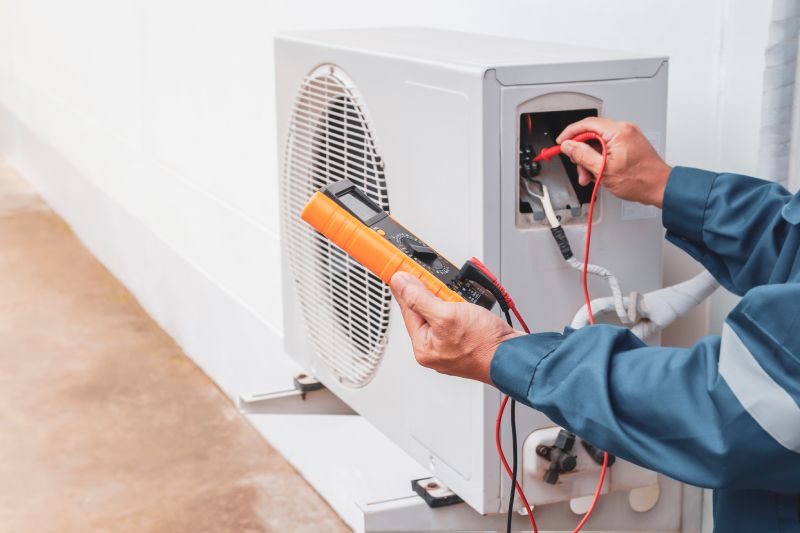
As HVAC technology continues to advance with smart controls, energy-efficient equipment, and connected monitoring systems, proper maintenance has become even more important. Routine inspections, cleaning, and preventive servicing help extend equipment life, optimize performance, and support lower operating costs.
This guide explains HVAC maintenance, its benefits, essential maintenance tasks, and current trends in modern heating and cooling system care.
Note: Maintenance schedules, service procedures, equipment specifications, and warranty requirements vary by manufacturer, system type, and local regulations. This article is intended for general educational purposes only.
What Is HVAC Maintenance?
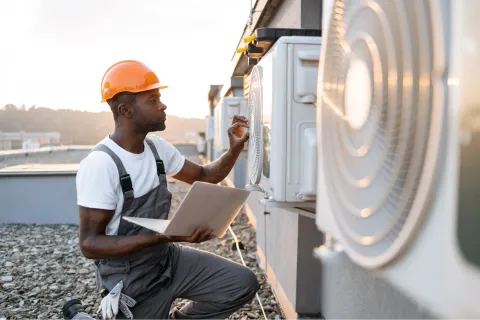
HVAC Maintenance refers to the routine inspection, cleaning, testing, and servicing of heating, ventilation, and air conditioning equipment to help maintain safe and efficient operation.
Maintenance typically applies to:
Central air conditioning systems
Heat pumps
Furnaces
Boilers
Ductless mini-split systems
Commercial HVAC equipment
Ventilation systems
Air handling units
Regular servicing helps identify minor issues before they become major repairs.
Why HVAC Maintenance Matters
A well-maintained HVAC system offers several important benefits.
Potential advantages include:
Improved energy efficiency
More consistent indoor temperatures
Better indoor air quality
Reduced likelihood of unexpected breakdowns
Extended equipment lifespan
Lower operating costs
Improved occupant comfort
Support for manufacturer warranty requirements
Actual results depend on equipment condition, usage, and maintenance quality.
Essential HVAC Maintenance Tasks
Routine maintenance involves several important inspections and servicing procedures.
Replace or Clean Air Filters
Dirty filters restrict airflow, reduce efficiency, and may affect indoor air quality. Filters should be inspected regularly and replaced or cleaned according to the manufacturer's recommendations.
Inspect Thermostat Operation
Verify that the thermostat operates correctly and maintains the desired indoor temperature.
Clean Indoor and Outdoor Coils
Evaporator and condenser coils can accumulate dirt over time, reducing heat transfer efficiency.
Check Refrigerant Levels
Qualified technicians can inspect refrigerant levels and identify leaks when necessary.
Inspect Electrical Components
Connections, wiring, capacitors, and other electrical components should be examined for safe operation.
Examine Ductwork
Inspect ducts for leaks, damage, or blockages that may reduce airflow and efficiency.
Lubricate Moving Parts
Proper lubrication reduces friction and supports smooth equipment operation where applicable.
Test System Performance
Evaluate airflow, temperature output, safety controls, and overall system performance.
Benefits of Preventive Maintenance
Preventive servicing supports long-term equipment reliability.
Potential benefits include:
Improved cooling and heating performance
Lower energy consumption
Fewer emergency repairs
Longer equipment life
Improved humidity control
Better airflow
Quieter operation
Enhanced system reliability
Preventive maintenance is generally more cost-effective than reactive repairs.
Seasonal HVAC Maintenance
Maintenance needs often change throughout the year.
Spring
Prepare cooling systems before warmer weather by cleaning components and inspecting air conditioning performance.
Fall
Inspect heating equipment before colder temperatures arrive, including furnaces, heat pumps, or boilers.
Year-round inspections may also be appropriate depending on system usage.
HVAC Maintenance Overview
| Maintenance Task | Primary Benefit |
|---|---|
| Air Filter Replacement | Improve airflow and indoor air quality |
| Coil Cleaning | Increase cooling and heating efficiency |
| Refrigerant Inspection | Maintain system performance |
| Electrical Inspection | Support safe operation |
| Duct Inspection | Improve airflow efficiency |
| Performance Testing | Verify overall system operation |
Best Practices for Homeowners and Facility Managers
Routine care helps maintain HVAC performance between professional service visits.
Helpful recommendations include:
Replace air filters on schedule.
Keep outdoor units free of leaves and debris.
Ensure supply and return vents remain unobstructed.
Monitor unusual noises or odors.
Schedule professional maintenance annually or as recommended.
Maintain programmable thermostat settings.
Seal air leaks around windows and doors.
Keep maintenance records for future reference.
These practices support reliable and efficient system operation.
Current Industry Trends
HVAC maintenance is becoming more technology-driven.
Recent developments include:
Smart thermostats with maintenance alerts
Internet of Things (IoT) system monitoring
Predictive maintenance using sensors
Artificial intelligence-assisted diagnostics
Cloud-based building management systems
Energy performance analytics
Remote equipment monitoring
Mobile service management applications
These innovations help identify maintenance needs earlier and improve overall system performance.
Looking Ahead
The future of HVAC Maintenance is expected to include greater automation, predictive diagnostics, AI-powered fault detection, and deeper integration with smart building technologies. As energy efficiency and sustainability continue to be priorities, preventive maintenance will remain an essential part of maximizing HVAC performance and equipment longevity.
Why Understanding HVAC Maintenance Matters
Understanding HVAC Maintenance helps homeowners, businesses, and facility managers maintain comfortable indoor environments, improve energy efficiency, and reduce long-term operating costs. Regular maintenance also supports equipment reliability and helps identify potential issues before they become significant problems.
Conclusion
HVAC Maintenance is an essential part of keeping heating and cooling systems operating efficiently, safely, and reliably. Through routine inspections, filter replacement, coil cleaning, refrigerant checks, and performance testing, building owners can improve indoor comfort while extending the lifespan of their HVAC equipment. As smart technologies continue to transform building management, proactive HVAC maintenance will play an increasingly important role in supporting energy efficiency and long-term system performance.