Industrial Boiler Systems Guide: Designs, Fuel Types, Heating Methods and Key Features
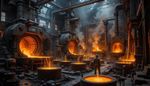
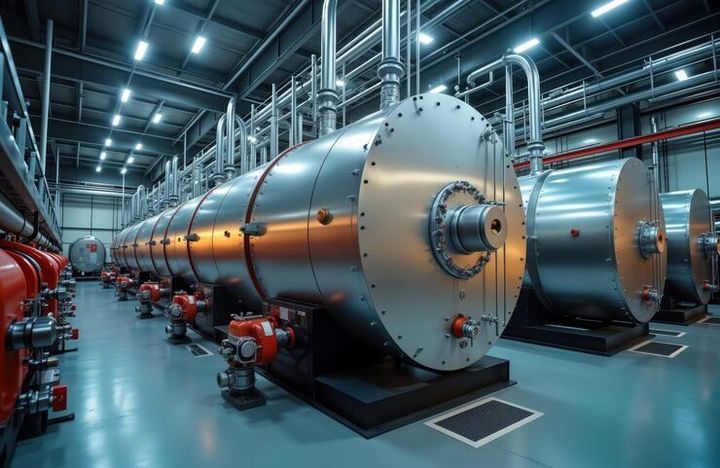
Industrial boiler systems are essential equipment used to generate heat and steam for manufacturing, processing, power generation, and commercial facilities. An industrial boiler is a closed pressure vessel that heats water using energy from a fuel source or another heating method. The resulting hot water or steam is distributed to equipment, production lines, heating networks, and industrial processes.
Context
Industrial boiler systems are essential equipment used to generate heat and steam for manufacturing, processing, power generation, and commercial facilities. An industrial boiler is a closed pressure vessel that heats water using energy from a fuel source or another heating method. The resulting hot water or steam is distributed to equipment, production lines, heating networks, and industrial processes.
The development of industrial boilers is closely connected to the growth of steam-powered machinery during the Industrial Revolution. Early boilers supported steam engines, factories, and transportation systems. As industrial production expanded, boiler designs developed to handle different operating pressures, temperatures, fuel types, and heating requirements.
Today, industrial boiler systems are used in industries such as food processing, chemicals, pharmaceuticals, textiles, paper manufacturing, power generation, and metal processing. Their design depends on the required steam capacity, operating pressure, fuel availability, production process, and environmental conditions.
Understanding Industrial Boiler Designs
Industrial boilers are generally classified according to their internal construction, heat transfer arrangements, and operating characteristics.
Fire-tube boilers: Hot combustion gases travel through tubes surrounded by water. Heat transfers through the tube walls and produces steam or hot water. These boilers are commonly associated with lower and moderate steam-capacity requirements.
Water-tube boilers: Water circulates through tubes while hot combustion gases pass around them. This arrangement is suitable for applications requiring higher operating pressures and substantial steam production.
Electric boilers: Electrical energy heats water through resistance heating elements or electrode arrangements. They do not produce combustion gases at the point of operation.
Waste heat recovery boilers: These systems capture heat from industrial exhaust gases or other processes and use it to generate steam or hot water.
Condensing boilers: These systems recover additional heat from water vapor in exhaust gases under suitable operating conditions, improving overall heat utilization.
Each design has different installation requirements, operating characteristics, maintenance considerations, and application limitations.
Main Components of an Industrial Boiler
An industrial boiler contains several connected components that control heating, water circulation, steam generation, and operational safety.
Important components include the combustion chamber, burner, heat exchanger, pressure vessel, feedwater pump, steam outlet, control panel, and safety valves. Depending on the design, additional equipment may include economizers, air preheaters, water treatment systems, and blowdown arrangements.
Importance
Industrial boiler systems play an important role in maintaining production processes that require controlled heat or steam. Many industrial operations depend on continuous thermal energy to process materials, clean equipment, maintain temperatures, and support chemical reactions.
Without an appropriate boiler arrangement, manufacturing processes may experience temperature variations, production interruptions, or inefficient energy use. Boiler performance also affects workplace safety, environmental emissions, equipment reliability, and overall industrial energy management.
Industrial Applications of Boiler Systems
Industrial boilers support a wide range of manufacturing and processing activities.
Food and beverage manufacturing: Steam is used for cooking, pasteurization, sterilization, drying, and cleaning production equipment.
Chemical processing: Controlled heating supports chemical reactions, material preparation, and separation processes.
Textile manufacturing: Boilers provide steam for fabric treatment, dyeing, washing, and finishing operations.
Pharmaceutical production: Steam supports sterilization, controlled heating, and selected manufacturing processes.
Paper manufacturing: Thermal energy is used in pulp processing, drying, and other production stages.
Power generation: Steam boilers supply high-pressure steam to turbines that produce electricity.
Metal processing: Industrial heating systems support surface treatment, material preparation, and selected thermal operations.
Comparison of Industrial Boiler Types
The following table summarizes common industrial boiler designs and their general characteristics.
| Boiler type | Heating arrangement | Common applications |
|---|---|---|
| Fire-tube boiler | Hot gases pass through water-surrounded tubes | Food processing, general manufacturing |
| Water-tube boiler | Water circulates inside heated tubes | Power generation, large industrial plants |
| Electric boiler | Electrical elements or electrodes heat water | Facilities with electrical heating infrastructure |
| Waste heat boiler | Recovers heat from industrial exhaust | Energy-intensive manufacturing |
| Condensing boiler | Recovers additional heat from exhaust vapor | Industrial heating and hot-water systems |
The appropriate boiler depends on steam demand, operating pressure, fuel availability, energy infrastructure, and the characteristics of the industrial process.
Understanding Boiler Efficiency
Boiler efficiency describes how effectively a system converts the energy supplied into useful heat or steam. Heat losses can occur through exhaust gases, incomplete combustion, radiation, blowdown, and poorly insulated equipment.
Several factors influence efficiency, including burner adjustment, feedwater temperature, combustion air supply, water quality, operating load, and heat recovery equipment. Regular monitoring helps identify changes in operating performance.
Recent Updates
Industrial boiler technology is increasingly influenced by energy efficiency, emissions reduction, automation, and alternative heating arrangements. Developments from 2024 through 2026 reflect broader industrial efforts to improve energy management and reduce environmental impacts.
Automation and Smart Boiler Controls
Modern industrial boiler systems increasingly incorporate digital control panels, sensors, and automated monitoring equipment. These technologies measure operating conditions such as pressure, temperature, water level, fuel consumption, and combustion performance.
Some systems use connected monitoring platforms to identify unusual operating patterns and support maintenance planning. Automated controls can also adjust combustion conditions according to changing steam demand.
However, automation does not eliminate the need for qualified operators, inspections, safety devices, or scheduled maintenance. Industrial pressure equipment continues to require appropriate operational supervision.
Energy Efficiency and Heat Recovery
Energy recovery is an important development in industrial heating. Economizers capture heat from exhaust gases to preheat incoming feedwater, while air preheaters transfer exhaust heat to combustion air.
Waste heat recovery boilers also allow industrial facilities to use thermal energy that would otherwise leave through exhaust streams. Their suitability depends on exhaust temperature, gas composition, operating conditions, and the available heat demand.
Alternative Fuels and Electrification
Industrial facilities are examining different energy sources to reduce dependence on conventional fossil fuels. These include biomass, biogas, hydrogen, electricity, and combinations of energy sources.
Electric boilers are relevant where electrical infrastructure can support the required heating capacity. Hydrogen-compatible boiler systems are also receiving attention, although compatibility depends on burner design, materials, combustion characteristics, and applicable safety requirements.
The environmental impact of these alternatives depends on fuel production, electricity generation, emissions controls, and the complete energy supply chain.
Laws or Policies
Industrial boiler systems are subject to regulations covering pressure equipment, workplace safety, environmental emissions, fuel handling, and industrial operations. Requirements vary according to the equipment category, operating pressure, capacity, fuel type, and location.
Industrial Boiler Regulations in India
In India, industrial boilers are regulated under the Boilers Act, 2025, which replaced the earlier Boilers Act, 1923. The regulatory framework covers important aspects of boiler registration, inspection, operation, and safety.
The Central Boilers Board and relevant state boiler authorities have roles in administering boiler-related requirements. Industrial establishments must follow applicable registration, inspection, certification, and operational provisions.
The Indian Boiler Regulations also provide technical requirements concerning boiler construction, materials, inspection, and associated equipment. Applicable provisions should be checked according to the boiler's classification and current regulatory arrangements.
Environmental and Workplace Safety Requirements
Industrial boiler installations may also fall under environmental regulations administered by the Central Pollution Control Board and relevant State Pollution Control Boards.
Depending on the installation, applicable requirements may cover:
Air emissions from combustion processes.
Fuel storage and handling arrangements.
Exhaust stack specifications and monitoring.
Water consumption and wastewater discharge.
Workplace ventilation and fire protection.
Safe operating pressure and temperature limits.
The Factories Act, 1948, and applicable occupational safety requirements have historically formed part of India's industrial safety framework, alongside newer occupational safety legislation and its implementation arrangements.
Industrial operators must identify the regulations currently in force for their location and equipment category. Compliance requirements can differ between industrial sectors and states.
Tools and Resources
Several technical resources help engineers, facility managers, and industrial operators understand boiler performance, operating requirements, and equipment specifications.
Boiler Calculation and Monitoring Tools
Industrial boiler calculations help estimate steam demand, heating capacity, fuel consumption, and thermal efficiency. Common calculations include:
Steam capacity calculation: Determines the quantity of steam required by an industrial process, generally expressed in kilograms per hour or tonnes per hour.
Boiler efficiency calculation: Compares useful heat output with the energy supplied to the boiler.
Fuel consumption estimation: Evaluates the amount of fuel required under specified operating conditions.
Heat balance analysis: Examines energy entering and leaving the boiler system.
Feedwater assessment: Evaluates water temperature, hardness, dissolved solids, and treatment requirements.
These calculations depend on accurate operating data and appropriate engineering assumptions.
Technical Websites and Industry Resources
The following organizations provide technical information and regulatory resources:
Bureau of Indian Standards (BIS): Publishes Indian technical standards relevant to industrial equipment and safety.
Central Pollution Control Board (CPCB): Provides environmental regulations, emissions information, and pollution-control guidance.
Central Boilers Board: Provides information related to boiler regulations and technical requirements in India.
U.S. Department of Energy: Publishes industrial energy-efficiency information, including boiler and steam-system guidance.
International Energy Agency (IEA): Provides research on industrial energy use, electrification, and emissions reduction.
Industrial Boiler Maintenance Considerations
Routine maintenance helps maintain safe operating conditions and identify equipment deterioration.
Important inspection areas include burner condition, pressure gauges, safety valves, water-level controls, feedwater pumps, insulation, combustion systems, and heat-transfer surfaces. Water treatment is also important because mineral deposits, corrosion, and suspended solids can affect boiler performance.
Inspection frequency and maintenance procedures should follow applicable regulations, manufacturer documentation, and qualified engineering assessments.
FAQs
What are the main types of industrial boiler systems?
The main types include fire-tube boilers, water-tube boilers, electric boilers, waste heat recovery boilers, and condensing boilers. They differ in construction, heating arrangements, pressure capabilities, and industrial applications.
What fuels are used in industrial boiler systems?
Common fuels include natural gas, coal, fuel oil, biomass, and biogas. Some industrial systems also use electricity or alternative fuels, depending on their design and energy infrastructure.
What is the difference between fire-tube and water-tube boilers?
In fire-tube boilers, hot combustion gases pass through tubes surrounded by water. In water-tube boilers, water flows through tubes heated externally by combustion gases.
How is industrial boiler efficiency measured?
Boiler efficiency is generally measured by comparing useful heat transferred to water or steam with the energy supplied through fuel or electricity. The calculation may use direct or indirect measurement methods.
What safety regulations apply to industrial boilers in India?
Industrial boilers are governed by the Boilers Act, 2025, applicable Indian Boiler Regulations, and relevant state-level requirements. Environmental and workplace safety regulations may also apply depending on the installation.
Conclusion
Industrial boiler systems provide essential thermal energy for manufacturing, processing, heating, and power generation. Their designs, fuel types, heating methods, and operating characteristics determine their suitability for different industrial applications. Recent developments emphasize automation, heat recovery, energy efficiency, and alternative energy sources. Indian regulations also establish requirements for boiler registration, inspection, emissions, and operational safety.