Interior Design Trends Overview: Emerging Styles, Material, Lighting Ideas and Furniture
Interior design is the process of planning and arranging indoor spaces through elements such as layout, materials, colors, lighting, furniture, textures, and decorative details. Interior design trends develop as lifestyles, technologies, architectural preferences, environmental considerations, and cultural influences change over time.
Context
Modern interior design combines practical planning with visual character. A room is not shaped only by its walls and furniture; flooring, ceiling treatments, lighting, fabrics, storage, natural materials, and color relationships also influence how the space looks and functions.
Interior design trends are not fixed rules. They represent patterns in how designers, architects, manufacturers, and homeowners approach interiors during a particular period. Some styles remain relevant for decades, while others gradually change as new materials, technologies, and lifestyle requirements emerge.
Current interior design increasingly considers how people use their spaces throughout the day. Homes may need to accommodate working, studying, relaxing, entertaining, exercising, and storage within the same overall floor plan. This has encouraged greater attention to adaptable furniture, layered lighting, practical storage, and flexible layouts.
Elements that shape an interior
Several components work together to create an interior environment:
Layout: Determines how people move through and use the room.
Materials: Include wood, stone, metal, glass, ceramic, textiles, composites, and other surfaces.
Color: Establishes visual relationships between walls, furniture, flooring, and accessories.
Lighting: Combines natural and artificial illumination to support different activities.
Furniture: Provides seating, storage, work surfaces, sleeping areas, and visual structure.
Texture: Adds variation through fabrics, finishes, patterns, and surface treatments.
The relationship between these elements is often more important than any single decorative feature. A carefully planned interior balances appearance, function, proportion, comfort, maintenance, and available space.
Importance
Interior design trends matter because indoor environments influence how spaces are used and experienced. A poorly planned room can create movement problems, insufficient storage, uncomfortable lighting, or an imbalance between furniture and available floor area.
The subject is relevant to homeowners, renters, architects, interior designers, property developers, hospitality spaces, offices, and other environments where people spend time indoors. The same principles can also be adapted to rooms of different sizes and purposes.
Changing lifestyle requirements
Contemporary interiors increasingly accommodate multiple activities. A living room may include a reading area, workspace, entertainment zone, and storage within a single room.
This has increased interest in furniture that can perform multiple functions. Modular seating, extendable tables, movable partitions, wall-mounted storage, nesting tables, and flexible shelving can help spaces adapt to changing needs.
Comfort and visual balance
Interior design also addresses visual balance. Excessive furniture, inconsistent colors, poor lighting placement, or incompatible materials can make a room feel crowded or disconnected.
A balanced design considers scale and proportion. Larger rooms can accommodate substantial furniture and stronger visual elements, while smaller rooms may benefit from lighter forms, efficient storage, and carefully positioned lighting.
Interior design trend categories
| Trend area | Common characteristics | Typical applications |
|---|---|---|
| Natural materials | Wood, stone, clay, woven surfaces | Living areas, kitchens, bedrooms |
| Warm minimalism | Simple forms, soft colors, limited decoration | Residential interiors |
| Layered lighting | Ambient, task, and accent illumination | Most indoor spaces |
| Flexible furniture | Modular and movable components | Multi-purpose rooms |
| Textured surfaces | Fabric, plaster, wood grain, patterned finishes | Walls, furniture, soft furnishings |
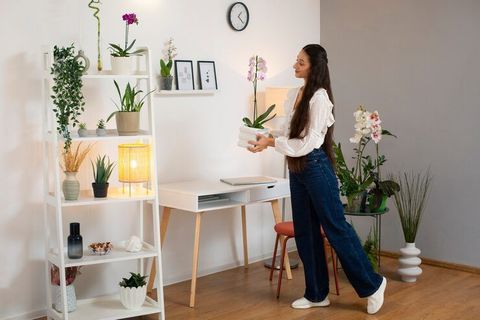
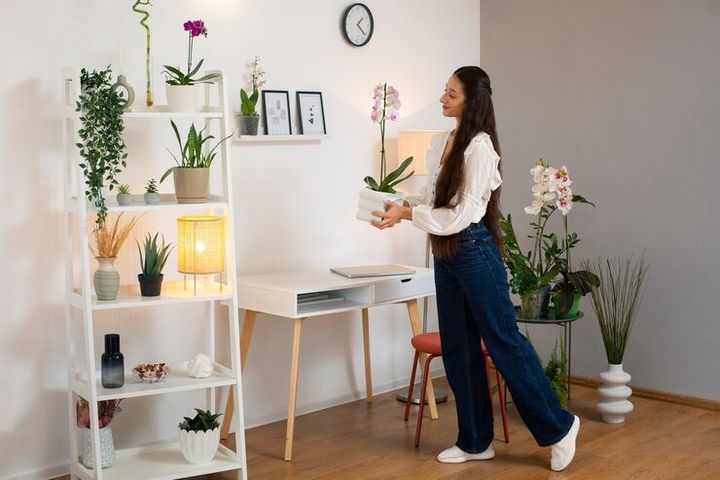
| Biophilic elements | Plants, natural light, organic forms | Homes, offices, wellness spaces |
Recent Updates
Interior design trends from 2024 through 2026 have generally moved toward interiors that combine simplicity with warmth and individuality. Instead of relying entirely on highly minimal spaces, many contemporary approaches use natural textures, curved forms, tactile fabrics, and carefully selected decorative elements.
Warm and natural interiors
Neutral interiors are increasingly being interpreted through warmer shades rather than relying only on bright white and cool gray. Earth-inspired colors, wood tones, muted greens, soft browns, clay-like shades, and warm neutrals can create a visually softer environment.
Natural materials are also being used as part of this approach. Wood, stone, ceramic, woven fibers, linen, and other textured materials can introduce variation without requiring complex decoration.
Curved furniture and organic forms
Curved furniture has remained visible in contemporary interiors. Rounded sofas, circular tables, curved chairs, arched openings, and organically shaped accessories can create contrast with the straight lines of walls and architectural structures.
Curved elements can also influence circulation. Their placement needs to account for walking paths, door openings, furniture spacing, and the usable area around each piece.
Layered lighting
Lighting design has become increasingly focused on layers rather than relying on one central ceiling fixture. A combination of ambient, task, and accent lighting can create different levels of illumination for different activities.
For example, a kitchen may use general ceiling lighting together with focused illumination around preparation areas. A bedroom may combine general lighting with bedside fixtures and subtle accent illumination.
Sustainable material awareness
Environmental considerations continue to influence material selection. Recycled materials, responsibly sourced wood, durable surfaces, low-emission finishes, and products designed for longer use are increasingly discussed within interior design.
The environmental characteristics of a material depend on its manufacturing process, transportation, composition, lifespan, maintenance requirements, and eventual disposal. Therefore, sustainability should be evaluated across the material's broader life cycle rather than based on a single characteristic.
Smart interior features
Technology is also becoming more integrated into interior spaces. Connected lighting controls, automated shading, smart thermostats, integrated charging points, and digitally controlled home systems can be incorporated into interior planning.
The trend is moving toward technology that blends into the room rather than becoming the primary visual feature. Concealed wiring, integrated controls, and discreet hardware can help maintain a clean appearance.
Laws or Policies
Interior design is influenced by building regulations, electrical requirements, fire-safety rules, accessibility provisions, structural standards, and product requirements. These rules vary between jurisdictions, building types, and project categories.
For residential and commercial projects, design decisions may need to account for requirements relating to electrical installations, emergency exits, ventilation, accessibility, fire-resistant materials, structural modifications, and plumbing systems.
Building and safety considerations
Interior decoration generally involves fewer regulatory concerns than structural alterations, but the distinction is important. Removing walls, changing electrical systems, modifying plumbing, altering ventilation, or making structural changes can require professional assessment or regulatory approval depending on the applicable rules.
Furniture placement can also affect accessibility and emergency movement. Clear pathways, door access, stairways, exits, and circulation areas should remain consistent with applicable building and safety requirements.
Material and product considerations
Certain interior materials may be subject to requirements concerning fire performance, emissions, electrical safety, structural performance, or chemical composition. Product documentation can help identify relevant technical characteristics.
Because regulations differ across locations and may change over time, interior projects should be evaluated according to the rules applicable to the specific building and jurisdiction. This article provides general information rather than legal, architectural, engineering, or regulatory advice.
Tools and Resources
Digital tools have become an important part of interior design planning. They can help users experiment with room arrangements, colors, furniture dimensions, lighting concepts, and material combinations before making physical changes.
Room planning tools
Room-planning applications can create basic floor layouts and allow furniture to be positioned virtually. Accurate room measurements are important because a digital arrangement is only useful when it reflects the actual dimensions of the space.
Color tools
Digital color palettes can help compare wall colors, furniture finishes, flooring tones, and decorative elements. Color-selection tools can also display relationships between complementary, analogous, monochromatic, and contrasting colors.
Lighting calculators
Lighting-planning tools can help estimate illumination requirements based on room dimensions and intended use. More detailed lighting projects may require calculations involving fixture output, mounting height, beam angle, surface reflectance, and room geometry.
Furniture measurement templates
Simple measurement templates can record:
Room length and width
Ceiling height
Door positions
Window dimensions
Existing furniture dimensions
Available walking space
Electrical outlet locations
Fixed architectural features
Keeping these measurements together can reduce layout errors during the planning stage.
Material reference libraries
Material databases and manufacturer documentation can provide information about surface finishes, dimensions, installation requirements, maintenance characteristics, and technical specifications. These resources are particularly useful when comparing flooring, wall finishes, countertops, fabrics, and furniture materials.
FAQs
What are the current interior design trends?
Current interior design trends include warm neutral palettes, natural materials, curved furniture, textured surfaces, layered lighting, flexible layouts, and greater integration of technology. Many contemporary interiors combine simple forms with natural textures and personalized decorative elements.
Which materials are popular in modern interior design?
Wood, stone, ceramic, glass, metal, natural textiles, woven fibers, and textured composite materials are commonly used in modern interiors. Material selection depends on room function, durability requirements, appearance, maintenance, and environmental considerations.
How does lighting influence interior design?
Lighting affects visibility, atmosphere, color perception, and how different areas of a room are used. Layered lighting combines general illumination with task and accent lighting to create different lighting conditions within the same space.
What furniture is associated with current interior design trends?
Current furniture trends include curved seating, modular sofas, rounded tables, multifunctional storage, compact workstations, movable pieces, and furniture with natural-looking finishes. The appropriate choice depends on room dimensions, circulation, function, and personal preferences.
Is sustainable design part of modern interior design trends?
Sustainability is an increasingly important consideration in interior design. It can involve material durability, recycled content, responsible sourcing, efficient lighting, repairability, reduced waste, and consideration of a product's overall life cycle.
Conclusion
Interior design trends reflect changes in lifestyle, technology, materials, environmental awareness, and approaches to space planning. Current interiors commonly combine warm colors, natural materials, layered lighting, flexible furniture, textured surfaces, and practical layouts. Regulations and technical requirements also influence decisions involving structural changes, electrical systems, accessibility, fire safety, and material characteristics. Understanding these elements provides a foundation for interpreting contemporary interior design without treating any single style as a permanent rule.