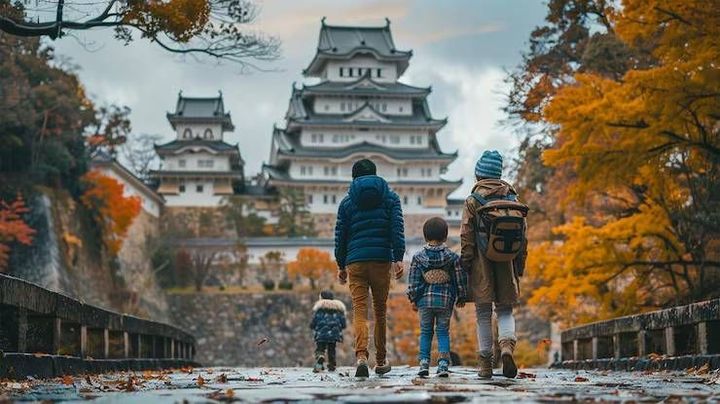
Japan Family Travel Guide: Destinations, Activities, Transport, Hotels and Planning Considerations
A Japan family travel guide helps families understand how to plan a trip across a country known for large cities, historic areas, natural landscapes, efficient transportation, and family-oriented attractions. Japan combines modern urban environments with temples, gardens, museums, coastal areas, mountain regions, and traditional cultural experiences.
Family travel in Japan can involve different planning needs depending on the ages of children, the length of the trip, and the regions included. Tokyo, Kyoto, Osaka, Hiroshima, Hokkaido, Okinawa, and other destinations provide different types of activities and environments. A family may therefore need to balance sightseeing, travel time, accommodation, meals, and rest periods.
Japan's transportation network includes local trains, subways, buses, domestic flights, ferries, and Shinkansen bullet trains. Prepaid IC cards can also be used on many trains, buses, and at participating shops and vending machines, although acceptance varies by area and transport operator.
Importance
Why Family Planning Matters
Japan can be suitable for families with children of different ages, but a detailed itinerary can help reduce unnecessary transfers and long travel periods. Major cities contain many attractions within connected urban areas, while rural and island destinations may require additional transportation planning.
Families may also need to consider walking distances, luggage, meal schedules, weather, children's routines, and hotel locations. A schedule that includes rest periods can make it easier to manage days that involve several attractions.
Family Travel Considerations
Common planning areas include:
- Destination selection based on children's ages and interests
- Hotel location in relation to train stations and attractions
- Transportation between cities and within urban areas
- Seasonal weather and clothing requirements
- Luggage storage and movement between accommodations
- Meal preferences and dietary requirements
- Attraction opening hours and reservation requirements
- Time for rest between sightseeing activities
A Japan family travel guide can therefore be useful not only for identifying destinations but also for organizing the practical details of moving between them.
Recent Updates
Travel and Transportation Changes
Japan continues to receive international visitors, and digital planning tools have become an increasingly common part of trip preparation. Official tourism resources provide information about transportation, accommodation, airport access, regional travel, and visitor procedures.
Rail travel remains an important part of domestic tourism. Shinkansen routes connect major areas including Tokyo, Nagoya, Kyoto, Osaka, Hiroshima, northern Japan, and parts of Kyushu. Families traveling with larger luggage should also check baggage rules because certain Shinkansen routes require advance reservation of designated oversized-baggage space.
Changes to Tax-Free Shopping
Japan's tax-free shopping system is changing in 2026. From November 1, 2026, eligible international visitors will generally pay the tax-inclusive amount at participating stores and then receive the applicable tax refund after customs procedures confirm that eligible goods are being taken out of Japan.
Another change concerns goods shipped internationally by purchasers. Since April 2025, purchases sent overseas through international parcels arranged by the purchaser are no longer eligible for the tax exemption under the applicable rules.
Japan Rail Pass Information
The Japan Rail Pass continues to have specific eligibility, route, and ticket conditions. As of October 2026, the pass can be purchased through the official Japan Rail Pass website or authorized overseas distributors, with online seat reservation functions available through the official website.
Laws or Policies
Passport and Visa Requirements
Entry requirements depend on nationality, travel purpose, and intended length of stay. Some visitors can enter Japan without obtaining a visa in advance, while others must apply for one before travel. Travelers should check the latest information from Japan's Ministry of Foreign Affairs and the Japanese embassy or consulate responsible for their place of residence before departure.
Passports should meet the applicable entry requirements, and travelers should keep documentation accessible during their journey. Immigration authorities determine entry according to Japanese law and the circumstances of each traveler.
Customs and Tax Rules
Visitors should understand Japan's customs requirements when entering and leaving the country. Items brought into Japan may be subject to restrictions or declaration requirements, particularly food products, plants, animal products, medicines, and other regulated goods.
Families traveling with children should also check rules for personal medications and other items before departure. Requirements can vary according to the substance, quantity, and purpose of use.
Transportation Rules
Public transportation has its own ticketing and passenger rules. IC cards such as Suica, PASMO, ICOCA, and other compatible cards can be used across many participating transportation networks, but coverage differs by region. Some buses and rural transportation systems may require separate tickets or cash payments.
On trains, passengers are expected to follow platform instructions, keep luggage in suitable areas, and maintain quiet behavior. Families should also check specific rules for reserved seating, children’s tickets, luggage, and special trains before travel.
Tools and Resources
Travel Planning Websites
The Japan National Tourism Organization provides information about destinations, transportation, accommodation, airport access, travel etiquette, and regional attractions. Its resources can help families research different parts of Japan before creating an itinerary.
For transportation planning, route applications such as Google Maps, Japan Travel by NAVITIME, and Japan Transit Planner by Jorudan can help identify train routes, transfers, and estimated fares.
Transportation Tools
IC travel cards can simplify repeated train and bus journeys. Depending on the card and region, they can also be used at convenience stores, vending machines, lockers, and participating shops. Families should confirm whether a particular destination accepts their card before starting a journey.
A simple planning table can help organize a multi-city itinerary:
| Travel Element | Example Planning Question |
|---|---|
| Destination | Which cities suit the family's interests? |
| Transport | Is train, Shinkansen, bus, flight, or ferry appropriate? |
| Hotel | Is the accommodation close to transportation? |
| Activities | Are attractions suitable for the children's ages? |
| Meals | Are suitable dining choices available nearby? |
| Luggage | Is storage or luggage forwarding needed? |
| Schedule | Does each day include sufficient rest time? |
Accommodation Planning
Japan has several accommodation formats, including conventional hotels, family-oriented hotels, ryokan traditional inns, apartment-style accommodations, and resort properties. Room layouts and maximum occupancy can differ considerably, so families should check the permitted number of guests and sleeping arrangements before making a reservation.
Location can be as important as the accommodation itself. Staying near a major railway or subway station may reduce walking and transfer time, while a quieter neighborhood may provide a different experience.
Family-Friendly Destinations
Tokyo provides museums, parks, shopping districts, observation areas, and entertainment attractions. Kyoto focuses more heavily on temples, shrines, gardens, traditional neighborhoods, and cultural experiences.
Osaka combines urban attractions with food districts and family-oriented entertainment. Hokkaido provides access to mountain landscapes, outdoor activities, and seasonal experiences, while Okinawa is known for beaches, marine environments, and subtropical scenery.
A family itinerary can combine two or three regions rather than attempting to cover the entire country. This can reduce repeated packing and long travel periods.
Activities for Different Ages
Activities can be selected according to children's ages and interests. Younger children may enjoy aquariums, parks, interactive museums, and animal-related attractions. Older children may be interested in technology museums, historical locations, outdoor activities, cultural workshops, and regional food experiences.
Families should also check whether an attraction requires advance reservations, has age restrictions, or involves substantial walking. Weather can affect outdoor activities, so having indoor alternatives can be useful.
FAQs
Is Japan suitable for a family travel itinerary?
Japan has urban attractions, cultural locations, natural areas, museums, parks, and transportation options that can accommodate different family interests. The suitability of a particular itinerary depends on children's ages, mobility needs, travel preferences, and the regions selected.
What destinations are commonly included in a Japan family travel guide?
Tokyo, Kyoto, and Osaka are frequently included in multi-city itineraries because they provide different cultural and urban experiences and are connected by major rail routes. Other destinations such as Hokkaido, Okinawa, Hiroshima, and regional towns can be considered according to the family's interests and available travel time.
How does family transportation work in Japan?
Families can use local trains, subways, buses, Shinkansen trains, domestic flights, ferries, and IC travel cards. IC cards are accepted across many participating networks, but acceptance varies by location and transportation operator.
What types of hotels are available for families in Japan?
Families can choose from hotels, ryokan, resort properties, and other accommodation formats. Room size, bed arrangements, child policies, and occupancy limits vary, so these details should be checked before reservation.
What should families know about Japan's 2026 tax-free shopping changes?
From November 1, 2026, Japan is moving to a refund-based tax-free shopping system for eligible international visitors. Travelers will generally pay the tax-inclusive amount and complete the required customs procedure before departure to receive an applicable refund.
Conclusion
A Japan family travel guide can help organize destinations, activities, transportation, hotels, and practical travel requirements in one plan. Tokyo, Kyoto, Osaka, Hokkaido, Okinawa, and other regions provide different experiences, so the itinerary can be shaped around family interests and available time. Transportation rules, entry requirements, accommodation policies, and the 2026 tax-free shopping changes should be checked using current official information. Careful planning can also help families balance sightseeing, travel time, meals, luggage, and rest periods.