Lake-Side Holiday Experiences Guide: Activities, Scenic Locations, Stays, Seasons and Planning Tips
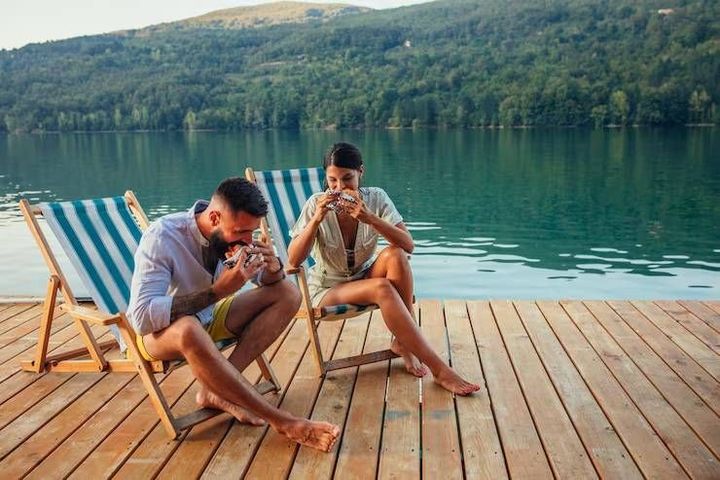
Lake-side holiday experiences combine time near freshwater lakes with outdoor activities, scenic surroundings, local attractions, and different forms of accommodation. Lakes have long attracted travelers because they provide natural spaces for walking, boating, wildlife observation, photography, fishing, and quiet recreation. Some lake destinations are surrounded by mountains or forests, while others are located near towns, villages, cultural sites, or historic areas.
Context
Lake-side holiday experiences combine time near freshwater lakes with outdoor activities, scenic surroundings, local attractions, and different forms of accommodation. Lakes have long attracted travelers because they provide natural spaces for walking, boating, wildlife observation, photography, fishing, and quiet recreation. Some lake destinations are surrounded by mountains or forests, while others are located near towns, villages, cultural sites, or historic areas.
A lake holiday can range from a short day visit to a multi-day stay. The type of experience depends on the landscape, climate, lake regulations, nearby facilities, and the season. A useful Lake-Side Holiday Experiences Guide therefore considers more than the lake itself. It also includes transportation, accommodation, weather, activities, safety considerations, and environmental conditions.
Importance
Lake destinations matter because they connect recreation with natural landscapes and local communities. They can provide opportunities for families, couples, solo travelers, photographers, hikers, birdwatchers, and people interested in cultural or outdoor activities. Nature-based travel can also distribute visitor activity beyond major urban destinations.
Planning is important because conditions around lakes can change considerably. Water levels, rainfall, temperature, boat operating conditions, wildlife activity, road access, and seasonal closures may affect what visitors can do. Some lakes are located in protected areas where access and activities are controlled to protect habitats.
Common Lake-Side Activities
Activities vary from one destination to another, but commonly include:
- Walking along designated lakeside paths
- Boating, kayaking, canoeing, or paddle activities where permitted
- Birdwatching and wildlife observation
- Fishing where local rules allow it
- Photography and landscape observation
- Hiking on nearby trails
- Visiting villages, museums, temples, or historic sites
- Relaxing at designated picnic or recreation areas
Visitors should distinguish between activities that are generally available and those that require local permission, equipment, trained supervision, or specific safety measures.
Choosing a Scenic Location
The surrounding landscape often determines the character of a lake holiday. Mountain lakes may provide hiking and changing weather conditions, while lakes in forest regions may provide opportunities for birdwatching and nature observation. Urban lakes can combine waterfront recreation with museums, restaurants, cultural attractions, and public parks.
When comparing locations, travelers can consider accessibility, nearby attractions, weather, accommodation options, activity restrictions, and the amount of time available for the trip.
Lake-Side Stays
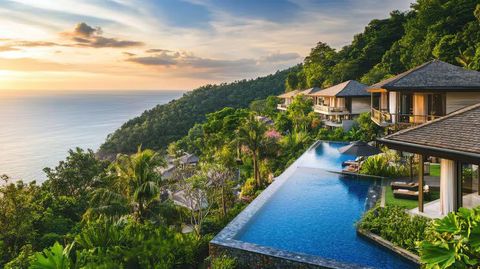
Accommodation around lakes may include hotels, guesthouses, cottages, campsites, homestays, and other lodging formats. The appropriate choice depends on location, facilities, transportation, and the type of trip being planned.
A stay directly beside a lake may provide convenient access to the waterfront, while accommodation farther away can sometimes make it easier to explore nearby towns or attractions. Travelers should check the property's location on a current map rather than relying only on the accommodation name.
Recent Updates
Travel patterns from 2024 through 2026 show continued attention toward domestic tourism, nature-based travel, sustainable tourism, and digital trip planning in India. The Ministry of Tourism has identified sustainable tourism, rural tourism, adventure tourism, and eco-tourism among its niche tourism areas. Its tourism initiatives also increasingly use digital information, maps, destination information, and online planning resources.
Official tourism data also indicates substantial growth in domestic tourist visits in the latest available national statistics. The Ministry's tourism data portal reports approximately 4.29 billion domestic tourist visits for 2025, although such figures represent visits rather than unique individual travelers.
Digital Planning and Nature Travel
Travel planning has become more dependent on digital maps, weather information, online accommodation details, route planning, and destination databases. These tools can help travelers compare travel times, identify nearby attractions, and understand seasonal conditions before leaving.
Nature-based destinations are also receiving greater attention in tourism planning. This has increased the importance of responsible visitor behavior, habitat protection, waste management, and appropriate visitor capacity around environmentally sensitive lakes.
A Simple Seasonal Comparison
| Season | Typical conditions | Possible activities | Planning considerations |
|---|---|---|---|
| Spring | Mild to warm in many regions | Walking, photography, sightseeing | Check local rainfall |
| Summer | Warmer conditions | Early-morning walks, boating where permitted | Heat and water safety |
| Monsoon | Rain and changing water levels | Scenic observation, indoor attractions | Check road and trail conditions |
| Autumn | Often moderate conditions | Hiking, photography, sightseeing | Variable temperatures |
| Winter | Cool or cold depending on region | Walking, photography, cultural visits | Prepare suitable clothing |
These patterns are general. A lake's altitude, latitude, regional climate, and local weather can produce very different conditions.
Laws or Policies
Lake-side tourism in India is influenced by environmental, wildlife, tourism, boating, and local government rules. Requirements can differ considerably between ordinary public lakes, wetlands, protected areas, reservoirs, and lakes within eco-sensitive zones.
The Wetlands (Conservation and Management) Rules, 2017 provide a national framework for designated wetlands. Official guidance explains that wetland management can include regulation of activities according to the ecological character of individual wetlands. Examples include limits on boating areas or numbers, controls on noise, restrictions related to washing and bathing, and conditions for temporary structures.
Protected Areas and Eco-Sensitive Zones
A lake located inside or near a national park, wildlife sanctuary, conservation reserve, or another protected landscape may have additional restrictions. Tourism activities and development in eco-sensitive zones can be governed through site-specific plans and environmental rules.
The Wildlife (Protection) Act framework is also relevant where lakes form part of protected wildlife habitats. Visitors may encounter limits on boating, photography locations, vehicle movement, fishing, swimming, or access to particular areas.
Boating and Water Safety Rules
Where boats fall under inland-waterway regulation, the Inland Vessels Act, 2021 establishes a national framework covering matters such as registration, navigation, safety, pollution prevention, and vessel operation. Additional rules and state-level requirements may apply depending on the water body and type of vessel.
Local authorities may also establish rules for swimming, fishing, parking, fires, waste disposal, camping, or access during particular weather conditions. Travelers should therefore check current local notices before participating in water-based activities.
Tools and Resources
Several digital tools can help with lake holiday planning without requiring specialized knowledge.
Maps and Route Planning
Google Maps and other digital mapping platforms can help identify lakes, roads, walking routes, nearby accommodation, public facilities, viewpoints, and surrounding attractions. Satellite imagery can also provide a general understanding of the landscape, although it should not replace local notices about access.
Weather Information
The India Meteorological Department provides weather forecasts and warnings that can help travelers understand rainfall, heat, storms, and other conditions. Weather information is particularly relevant for mountain lakes, boating activities, hiking, and monsoon travel.
Tourism Information
The Ministry of Tourism's Incredible India digital portal provides destination information, attractions, itineraries, maps, and travel-planning material. The India Tourism Data Portal also provides tourism statistics and reports for understanding travel patterns across India.
Simple Planning Checklist
Before a lake-side trip, travelers can review:
- Destination access and road conditions
- Weather forecasts for the travel period
- Opening hours and seasonal restrictions
- Boat or water-activity rules
- Accommodation location and check-in details
- Nearby medical and emergency facilities
- Local environmental or wildlife regulations
- Required clothing and personal safety equipment
- Waste-disposal arrangements
- Mobile connectivity and navigation options
A simple itinerary can divide the day between outdoor activities, sightseeing, meals, rest periods, and alternative activities in case weather conditions change.
FAQs
What activities are included in lake-side holiday experiences?
Lake-side holiday experiences can include walking, hiking, boating, photography, birdwatching, fishing where permitted, sightseeing, and visits to nearby cultural or natural attractions. Activities depend on local conditions and regulations.
How do I choose a scenic location for a lake holiday?
Consider the landscape, accessibility, weather, nearby attractions, accommodation, available activities, and environmental restrictions. Mountain, forest, rural, and urban lakes can provide different types of experiences.
What should I consider when choosing lake-side stays?
Check the exact location, transportation access, nearby facilities, seasonal conditions, accommodation policies, and distance from the activities you plan to visit. A map can help verify the property's actual position.
Which season is suitable for a lake holiday?
There is no single season that applies to every lake. Climate, altitude, rainfall, water conditions, and local activity schedules vary by destination, so seasonal planning should use location-specific weather information.
Are there rules for activities around lakes in India?
Yes. Rules can apply to boating, fishing, swimming, construction, waste disposal, wildlife observation, and other activities. Designated wetlands and protected areas may have additional restrictions under environmental and wildlife regulations.
Conclusion
Lake-side holidays combine natural scenery with outdoor recreation, cultural exploration, and different accommodation choices. Planning should account for weather, transportation, seasonal conditions, local regulations, and the ecological character of the lake. In India, wetland, wildlife, environmental, and inland-waterway frameworks can affect activities at particular destinations. Digital maps, official tourism information, and weather resources can help travelers understand conditions before and during a trip.