Luxury Hotel Knowledge: Suites, Amenities, Dining Experiences, Recreation and Hospitality
Luxury hotel knowledge covers the features, facilities, accommodation styles, dining experiences, recreational spaces, and hospitality practices commonly associated with upscale hotels. These properties developed from traditional inns and grand urban hotels into complex accommodation environments designed around comfort, privacy, convenience, and leisure.
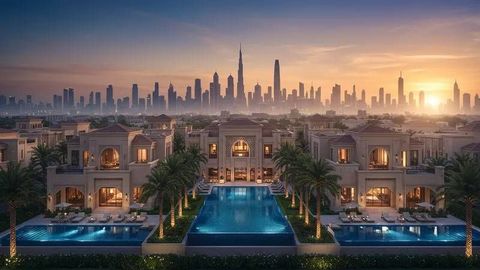
A luxury hotel may include several accommodation categories, such as standard rooms, executive rooms, suites, penthouses, villas, and residences. The exact arrangement varies according to the property, location, architecture, and intended guest experience. Suites generally provide additional living space, while larger categories may include separate bedrooms, dining areas, private terraces, or multiple bathrooms.
Amenities are another important part of the luxury hotel environment. Common examples include fitness centers, swimming pools, spas, business areas, lounges, meeting rooms, concierge desks, transportation arrangements, and recreational facilities. Their availability and operating conditions differ between properties.
Dining is also closely connected with luxury hospitality. A single property may contain a main restaurant, specialty restaurant, café, lounge, bakery, bar, room dining area, or seasonal dining space. Menus can reflect local cuisine, international cooking traditions, dietary considerations, and changing culinary preferences.
Importance
Luxury hotels matter because accommodation has become more than simply a place to sleep. Travelers may require spaces for work, relaxation, meetings, celebrations, wellness activities, family time, or longer stays. Understanding different hotel features helps people interpret what is included in an accommodation experience.
The subject also matters for travelers comparing room categories. A suite may provide a separate sitting area, while a conventional room may use one primary space for sleeping and sitting. Understanding these differences can make hotel descriptions easier to interpret without relying only on room names.
Understanding hotel facilities
Facilities can be grouped according to their primary purpose:
- Accommodation facilities include rooms, suites, villas, residences, and connecting rooms.
- Wellness facilities may include fitness rooms, treatment areas, steam rooms, saunas, and relaxation spaces.
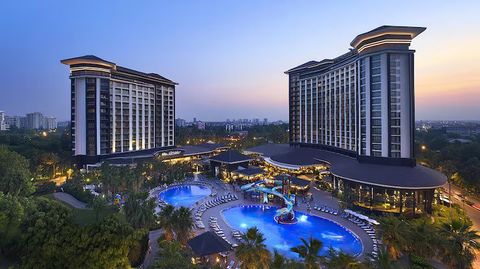
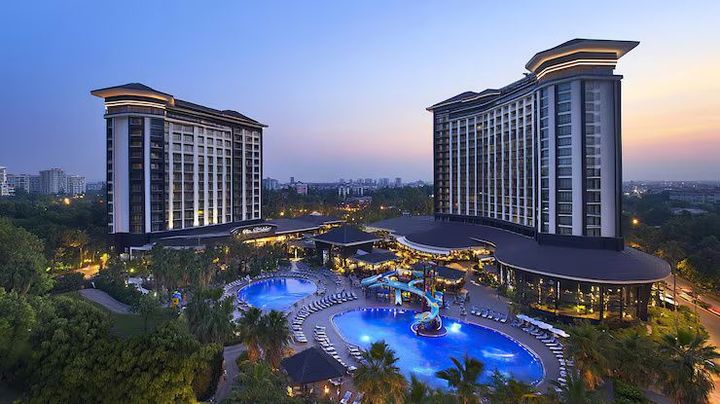
- Recreation facilities can include pools, gardens, sports areas, children's spaces, and outdoor activities.
- Business facilities may include meeting rooms, conference areas, workspaces, and printing equipment.
- Dining facilities can include restaurants, cafés, lounges, bakeries, and in-room dining.
The availability of these features depends on the property. A hotel located in a city center may emphasize meeting spaces and restaurants, while a resort environment may devote more space to pools, gardens, recreation, and outdoor activities.
Why room categories matter
Room names are not standardized worldwide. One property may use “executive suite” for a particular layout, while another may use the same term differently. Travelers therefore need to examine the actual room description, floor area, bed configuration, bathroom arrangement, views, accessibility features, and included facilities.
Privacy is another consideration. Some suites have separate entrances, living rooms, balconies, terraces, or connecting rooms. These characteristics can affect how a room works for couples, families, business travelers, or groups.
Recent Updates
The luxury hotel sector has been changing as travelers place greater attention on personalized experiences, wellness, technology, sustainability, and flexible accommodation formats. From 2024 through 2026, these themes have continued to influence how hotels describe rooms, amenities, dining, and recreation.
Technology and digital hotel experiences
Digital tools have become increasingly common in hotel environments. Depending on the property, guests may encounter mobile check-in, digital room access, smart televisions, electronic controls, digital concierge platforms, and online dining reservations.
Technology can also help manage room preferences and communication. However, traditional reception and in-person assistance remain relevant because many travelers prefer direct interaction, particularly when handling complex requests.
Wellness and recreation
Wellness has become an important element of luxury hotel planning. Fitness areas may include cardio equipment, resistance machines, yoga spaces, studios, or exercise classes. Some properties also include thermal areas, relaxation rooms, pools, and treatment facilities.
Recreation has expanded beyond conventional swimming pools. Depending on location, hotels may include gardens, cycling facilities, tennis courts, water activities, hiking arrangements, children's recreation areas, or cultural activities.
Sustainability considerations
Environmental practices are receiving greater attention across the hospitality sector. Hotels may use energy-efficient lighting, water-management systems, refillable bathroom containers, recycling programs, local food sourcing, or building-management technology.
These practices vary considerably between properties. Environmental terminology should therefore be understood alongside specific information about the hotel's facilities and operating policies.
Dining developments
Hotel dining has also evolved toward more varied experiences. Properties may feature regional ingredients, plant-based dishes, specialty cuisines, open kitchens, seasonal menus, tasting formats, and locally influenced dining concepts.
Dietary information has become more visible in many dining environments. Guests may find menus that identify vegetarian, vegan, allergen-related, or other dietary characteristics, although practices differ between locations.
Laws or Policies
Luxury hotels operate within the laws and regulations of their respective countries and local jurisdictions. These rules can cover accommodation registration, fire safety, building standards, food hygiene, alcohol regulations, accessibility, employment practices, taxation, consumer protection, and environmental requirements.
In India, hotels are subject to national, state, and local requirements that can vary according to location and the type of operation. Food-related activities are generally subject to food-safety requirements, while buildings and hospitality establishments may also need to comply with local fire-safety and municipal rules.
Guest registration and identification
Hotels commonly maintain guest records as required by applicable laws. International travelers may have additional documentation or reporting requirements depending on the country. Identification procedures can therefore differ between domestic and international guests.
Accessibility and safety
Building and accessibility requirements can influence entrances, elevators, bathrooms, emergency exits, signage, and designated accommodation. Fire-safety rules can also affect evacuation routes, alarms, extinguishing equipment, and emergency procedures.
Data and privacy
Hotels handle personal information such as names, contact details, reservation information, identification records, and payment-related information. Privacy and data-protection obligations depend on the jurisdiction and the systems used by the property.
Travelers should review a hotel's published policies when they need specific information about identification, cancellation, deposits, accessibility, photography, pets, children, or other conditions.
Tools and Resources
Several resources can help readers understand luxury hotel accommodation without relying solely on marketing descriptions.
Hotel comparison platforms
Online hotel directories and reservation platforms commonly provide information about room categories, facilities, location, guest reviews, dining options, and property policies. The information should be checked against the hotel's own published details because room descriptions and policies can change.
Mapping tools
Digital maps can help travelers understand the relationship between a hotel and airports, railway stations, attractions, business districts, beaches, restaurants, and other locations. Travel time can vary considerably according to traffic, weather, and local transportation.
Room comparison checklists
A simple comparison table can help organize important information:
| Feature | What to Examine | Why It Matters |
|---|---|---|
| Room type | Room, suite, villa, residence | Identifies accommodation format |
| Space | Floor area and layout | Helps understand usable space |
| Sleeping area | Bed type and configuration | Relevant to occupancy |
| Bathroom | Number, size, accessibility | Affects convenience |
| Dining | Restaurants and menu formats | Helps identify available choices |
| Recreation | Pool, fitness, sports, outdoor areas | Supports leisure planning |
| Technology | Wi-Fi, digital access, room controls | Supports connected stays |
| Accessibility | Accessible entrances and rooms | Important for mobility needs |
| Policies | Check-in, cancellation, occupancy rules | Clarifies conditions |
Reading several sources together can provide a more complete picture. Official property information can explain facilities and policies, while independent reviews may provide additional perspectives about actual experiences.
FAQs
What is included in luxury hotel suites?
Luxury hotel suites commonly provide more space than conventional rooms and may include separate sleeping and living areas, larger bathrooms, dining spaces, balconies, or additional facilities. The exact configuration depends on the property.
What amenities are common in a luxury hotel?
Common luxury hotel amenities include fitness facilities, swimming pools, lounges, restaurants, wellness areas, meeting spaces, Wi-Fi, room controls, and recreational facilities. Availability varies by property and location.
How do luxury hotel dining experiences differ?
Luxury hotel dining experiences may include multiple restaurants, regional and international cuisines, specialty menus, lounges, seasonal dining, and in-room dining. Menus and operating arrangements vary between hotels.
What recreation facilities can luxury hotels have?
Recreation facilities can include swimming pools, fitness centers, gardens, sports areas, children's spaces, cultural activities, and outdoor recreation. Resort properties often have different facilities from urban hotels.
Why is luxury hotel knowledge useful when comparing accommodation?
Luxury hotel knowledge helps readers understand room layouts, amenities, dining facilities, recreation areas, accessibility features, and property policies. This information makes accommodation descriptions easier to interpret.
Conclusion
Luxury hotel knowledge covers accommodation, suites, amenities, dining experiences, recreation, technology, wellness, and hospitality practices. Room categories and facilities can vary significantly between properties, making detailed descriptions important when understanding an accommodation. Current trends include greater attention to digital tools, wellness, sustainability, flexible spaces, and varied dining formats. Laws and operating policies also influence safety, accessibility, guest records, food practices, and privacy.