Maldives Beach Resorts Guide With Luxury Stays, Beaches, and Travel Insights
Maldives beach resorts are accommodation destinations located across an island nation in the Indian Ocean, known for coral islands, lagoons, sandy beaches, and marine environments. The country consists of numerous islands grouped into atolls, with many resorts occupying individual islands or dedicated sections of islands.
This geography has shaped the development of a tourism model centered on beaches, water activities, accommodation, and island-based experiences.
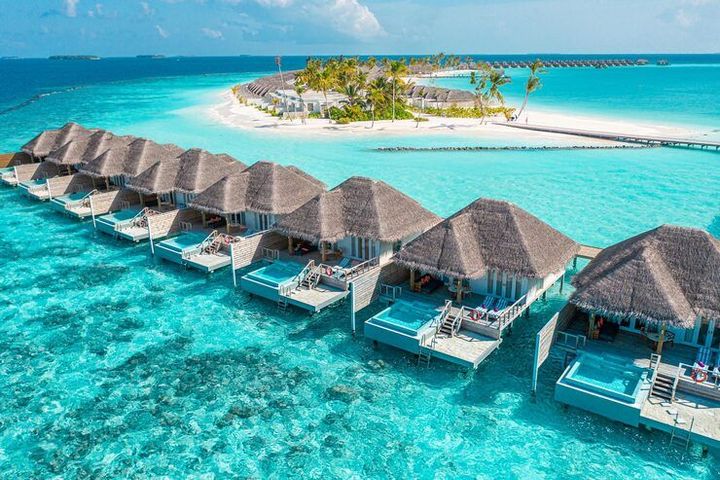
The modern Maldives tourism industry developed around its natural marine environment and gradually expanded into a wide range of accommodation formats. Beach resorts can include villas positioned directly beside the water, overwater villas extending above lagoons, garden accommodation, restaurants, swimming areas, wellness facilities, recreational spaces, and water-sports centers.
A Maldives beach resort experience can therefore involve more than accommodation. Visitors may spend time swimming, snorkeling, diving, kayaking, boating, observing marine life, exploring local islands, or simply relaxing near the shoreline.
Travel between islands is an important part of planning a Maldives trip. Depending on the location, visitors may use speedboats, domestic flights, or seaplanes to reach their accommodation after arriving at the country's main international gateway.
Types of Maldives Beach Resorts
Resorts differ considerably in layout, accommodation, activities, and surrounding environment. Common categories include:
Beachfront resorts with villas near sandy shores
Overwater resorts with villas above lagoons
Family-oriented island resorts
Adults-focused accommodation environments
Wellness-oriented resorts
Diving and marine-activity resorts
Private-island resort properties
Resorts combining beach and cultural experiences
The island setting means that a resort can feel geographically separate from other destinations. This can create a quieter environment but also makes transportation planning more important.
Beaches and Marine Environments
Maldives beaches are closely connected with coral reefs and shallow lagoons. The appearance of the water can vary according to weather, tides, reef structure, sunlight, and the physical characteristics of each island.
Marine activities can include snorkeling, scuba diving, kayaking, paddleboarding, fishing excursions, and boat trips. Visitors should follow local environmental rules and avoid damaging coral or disturbing marine animals.
Importance
Maldives beach resorts play an important role in the country's tourism economy and influence transportation, accommodation, food production, recreation, marine activities, and local employment. Tourism also creates demand for infrastructure on islands where land and freshwater resources are limited.
For travelers, understanding how the resort system works can make trip planning easier. Unlike a conventional city holiday, a resort trip may require visitors to consider island transfers, meal arrangements, activity schedules, weather conditions, and the distance between the accommodation and the arrival airport.
Who Visits Maldives Beach Resorts?
The Maldives attracts travelers with different interests. Couples may focus on beaches and quiet accommodation, while families may look for activities suitable for different age groups. Divers and snorkelers may be particularly interested in reef environments and marine biodiversity.
Travelers may also choose the Maldives for:
Beach relaxation
Scuba diving
Snorkeling
Water sports
Island exploration
Wellness activities
Marine-life observation
Photography
Honeymoon travel
Family holidays
The appropriate resort environment depends on the traveler's preferred activities, accommodation type, transportation requirements, and daily schedule.
Luxury Stays and Accommodation
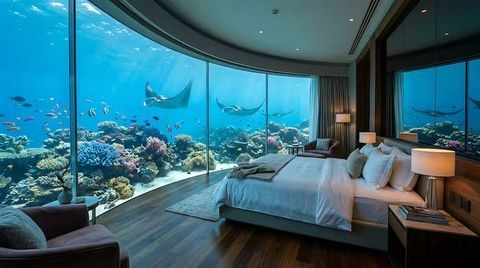
Luxury stays in the Maldives can include private villas, spacious suites, overwater accommodation, personal outdoor areas, private pools, restaurants, wellness facilities, and direct access to beaches or lagoons.
However, luxury accommodation varies significantly between properties. Some emphasize privacy and large villas, while others focus on water activities, family facilities, wellness programs, or dining experiences.
Overwater accommodation also has practical characteristics that travelers should understand. Access to deeper water can be convenient for swimming or snorkeling at some properties, but conditions vary by island and lagoon.
Travel and Island Transfers
Transportation is one of the distinctive features of Maldives travel. A resort may be located relatively close to the international airport or on a distant atoll requiring a domestic flight or seaplane journey.
Transfer arrangements can depend on arrival time, weather, resort location, and the operating schedule of the transportation provider. Visitors should therefore consider the transfer method when planning flights and accommodation.
Recent Updates
From 2024 through 2026, Maldives tourism has continued to develop around resort expansion, environmental management, marine experiences, improved connectivity, and diversified travel patterns. Government tourism statistics continue to track international visitor arrivals, resort occupancy, and tourism-related activity as important parts of the national economy.
Sustainable Tourism
Environmental sustainability is an important topic for Maldives beach resorts because the country consists of low-lying islands with limited land and freshwater resources. Resort operators may use measures involving wastewater treatment, energy management, waste separation, desalination, reef monitoring, and conservation activities.
Coral reefs are particularly significant because they support marine ecosystems and contribute to the natural environment surrounding many islands. Rising sea temperatures and other environmental pressures can affect reef systems, making conservation and monitoring relevant to the tourism sector.
Marine Experiences
Marine tourism continues to be an important part of the Maldives travel experience. Resorts and local operators can organize snorkeling, diving, fishing, boating, and marine-life observation.
The availability of particular activities depends on local reef conditions, weather, season, safety requirements, and applicable environmental rules. Some areas may have restrictions designed to protect marine habitats.
Accommodation Development
The Maldives continues to have a range of accommodation formats, including resort islands, guesthouses on inhabited islands, and different categories of villas. This creates different travel experiences depending on whether visitors want an isolated resort environment or greater interaction with local communities.
Digital booking platforms and travel-planning tools have also made it easier for visitors to compare accommodation characteristics, transfer requirements, room types, and activity schedules.
Travel Planning Technology
Travelers increasingly use digital maps, weather applications, itinerary planners, translation tools, and online reservation platforms when organizing Maldives trips. These tools can be particularly useful because transportation between islands requires more planning than travel within a connected mainland destination.
Laws or Policies
Maldives beach resorts operate within the country's tourism, immigration, environmental, maritime, health, and accommodation frameworks. Requirements can change, and the applicable rules depend on the traveler's nationality, accommodation type, activities, and travel arrangements.
Tourism and Immigration Requirements
International visitors need to meet the Maldives' entry requirements, including applicable immigration and travel-document conditions. Visitors should verify current requirements before departure because entry rules can change.
Tourism activities are also regulated through national authorities and tourism policies. Accommodation properties operate under applicable licensing and tourism requirements.
Environmental Protection
Marine and coastal environments are subject to environmental protections. Activities involving coral reefs, marine animals, fishing, waste disposal, and coastal areas may be regulated.
Visitors should follow instructions from resort staff and local authorities when participating in marine activities. Touching coral, collecting protected marine organisms, or leaving waste in the marine environment can cause ecological damage and may violate applicable rules.
Local Island and Cultural Rules
Visitors staying on inhabited local islands may encounter different customs from those at private resort islands. Clothing expectations, photography practices, alcohol restrictions, and behavior around religious or community locations can vary.
Respecting local customs is an important part of responsible travel. Travelers should distinguish between private resort environments and inhabited islands where local community practices apply.
Tools and Resources
Planning a Maldives beach resort trip can involve several digital and practical resources. Accommodation comparison platforms can help travelers review room categories, island locations, transfer arrangements, and available facilities.
Mapping applications can help visualize the relationship between the international airport, resort islands, local islands, and nearby atolls. Weather applications can provide information about rainfall, wind, temperature, and marine conditions.
Useful planning resources include:
Flight itinerary planners
Resort comparison tools
Digital maps
Weather applications
Currency calculators
Packing checklists
Transfer schedules
Diving and snorkeling information
Travel insurance documentation
Marine safety guidance
Accommodation calendars
Personal trip-planning spreadsheets
A simplified comparison of accommodation environments is shown below:
| Resort Type | Main Setting | Common Features | Planning Consideration |
|---|---|---|---|
| Beach Resort | Sandy shoreline | Beach villas, swimming | Beach access |
| Overwater Resort | Lagoon | Water villas, marine views | Water conditions |
| Family Resort | Island environment | Family activities, larger rooms | Age suitability |
| Wellness Resort | Island or lagoon | Yoga, spa, relaxation | Activity schedule |
| Diving Resort | Reef area | Diving and snorkeling | Reef access |
| Local Island Stay | Inhabited island | Community interaction | Local customs |
Weather and Seasonal Planning
Weather conditions influence many Maldives activities. The country has a tropical climate, with seasonal changes affecting rainfall, wind, sea conditions, and visibility.
Travelers interested in diving, snorkeling, photography, or boat excursions may need to consider seasonal conditions alongside accommodation preferences. Weather can change within short periods, so forecasts close to the travel date can be useful.
Packing and Practical Planning
Packing requirements depend on the resort, activities, season, and planned excursions. Typical considerations can include lightweight clothing, swimwear, sun protection, suitable footwear, personal medications, reusable water containers where appropriate, and equipment for planned activities.
Travelers participating in water activities should also consider personal swimming ability and applicable safety requirements. Marine environments can involve currents, waves, changing visibility, and other conditions that require attention.
FAQs
What are Maldives beach resorts?
Maldives beach resorts are accommodation properties located on islands or resort islands surrounded by beaches, lagoons, and marine environments. They may include beachfront villas, overwater villas, restaurants, recreation areas, and water activities.
What types of luxury stays are available in Maldives beach resorts?
Luxury stays can include beachfront villas, overwater villas, private outdoor areas, spacious suites, and accommodation with direct lagoon or beach access. Features vary between properties and room categories.
Which activities are available at Maldives beach resorts?
Common activities include snorkeling, scuba diving, kayaking, paddleboarding, fishing, boating, swimming, nature observation, and relaxation. Availability depends on the island, weather, reef conditions, and resort facilities.
How do travelers reach Maldives beach resorts?
After arriving at the main international airport, travelers may continue to their resort by speedboat, domestic flight, seaplane, or another arranged transfer. The method depends on the resort's location and transportation schedule.
What should travelers know about Maldives travel rules?
Travelers should follow current immigration requirements, tourism regulations, environmental protections, marine safety rules, and local cultural practices. Rules can differ between private resort islands and inhabited local islands.
Conclusion
Maldives beach resorts combine island accommodation with beaches, lagoons, marine activities, and different forms of relaxation and recreation. Luxury stays can range from beachfront villas to overwater accommodation, while resort environments vary according to location, facilities, and travel style. Recent tourism development has included environmental management, marine experiences, digital planning tools, and a wider range of accommodation formats. Understanding transfers, weather, local customs, environmental rules, and entry requirements is an important part of understanding travel in the Maldives.