Maldives Overwater Bungalow Booking: An Informative Guide
Maldives overwater bungalow booking refers to arranging accommodation built above or directly over the lagoon waters surrounding many Maldivian islands.
These structures are connected to an island or floating-style walkway and commonly provide direct access to the surrounding lagoon. Understanding bungalow layouts, island locations, transportation, reservation conditions, seasonal considerations, and local regulations can help travelers understand what is involved when planning an overwater stay in the Maldives.
Context
What Are Overwater Bungalows?
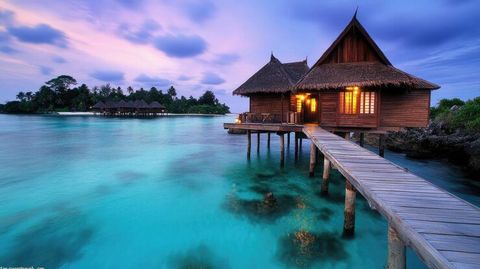
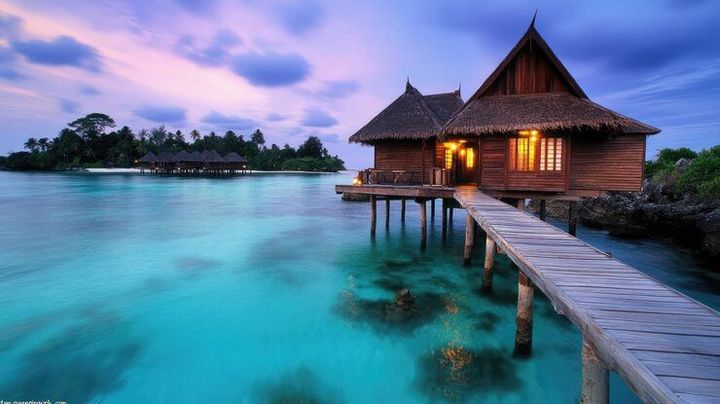
An overwater bungalow is a private accommodation unit constructed above a shallow lagoon or coastal water area. The structure is normally supported by marine foundations and connected to land by a walkway or similar access route.
Depending on the property, an overwater bungalow may contain a bedroom, bathroom, indoor sitting area, outdoor deck, and direct lagoon access. Some units also have features such as glass floor panels or private pools, although these facilities vary between individual properties.
Development of Overwater Accommodation
The Maldives consists of numerous islands and atolls spread across the Indian Ocean. Its shallow lagoons, coral reefs, and tropical climate have contributed to the development of tourism focused on marine surroundings.
Overwater accommodation became an important part of the country's tourism landscape as resorts developed around individual islands. The concept combines conventional accommodation with a structure positioned above the lagoon, creating a distinct relationship between the guest room and the surrounding marine environment.
How Maldives Overwater Bungalow Booking Works
A booking generally involves selecting an island or resort, accommodation category, travel dates, number of guests, meal arrangement, and transportation method. The reservation documentation normally provides information about the accommodation, check-in and check-out procedures, cancellation conditions, taxes, and transportation arrangements.
Travelers may also need to provide arrival details because many resort islands require a transfer from Velana International Airport near Malé. Depending on the island, transportation can involve a speedboat, domestic flight, or seaplane.
Types of Overwater Accommodation
Overwater units differ considerably in layout and facilities. Common categories include:
- Standard overwater bungalows with a bedroom and outdoor deck
- Overwater villas with larger indoor and outdoor spaces
- Units with direct lagoon access
- Accommodation with private swimming pools
- Multi-room units designed for families or groups
The terminology used by individual properties can differ, so travelers should examine the actual room description rather than relying only on the accommodation category name.
Importance
Why Overwater Bungalow Booking Matters
Accommodation planning in the Maldives involves more than selecting a room. Many resorts occupy individual islands, meaning the choice of accommodation is closely connected with transportation, dining arrangements, activities, marine conditions, and the physical layout of the island.
A traveler staying in an overwater unit may have a different experience from someone staying in a beach-based accommodation on the same island. Factors such as direct lagoon access, privacy, exposure to wind, distance from shared facilities, and access to the main island area can vary.
Choosing an Island Location
The Maldives is organized into atolls and administrative areas, while tourism resorts operate on individual islands. The distance between the airport and a particular resort can therefore influence the overall journey.
| Accommodation Factor | What to Check |
|---|---|
| Island location | Distance and transportation from the airport |
| Villa position | Lagoon orientation and surrounding environment |
| Access | Walkway, stairs, or other entry arrangements |
| Room layout | Bedroom, bathroom, deck, and indoor areas |
| Lagoon conditions | Water depth, currents, and swimming access |
| Transportation | Speedboat, domestic flight, or seaplane |
| Meal arrangement | Available dining plans and included meals |
| Booking conditions | Cancellation and amendment rules |
These characteristics can vary significantly between properties and even between accommodation categories within the same property.
Transportation Considerations
Transportation is a particularly important part of Maldives overwater bungalow booking. Resort islands are not generally connected by roads to Malé, so visitors must arrange a suitable transfer.
Speedboats are commonly used for some nearby islands, while more distant locations may require a domestic flight followed by a boat transfer or a seaplane journey. Transfer schedules can depend on daylight, weather, passenger numbers, and operational conditions.
Lagoon and Weather Conditions
The Maldives has a tropical marine climate, with seasonal variations in rainfall, wind, humidity, and sea conditions. These factors can influence boat transfers, visibility, water activities, and outdoor comfort.
Overwater accommodation is directly exposed to the marine environment. Travelers should therefore understand that lagoon conditions can change and that access to the water may sometimes be affected by tides, currents, weather, or safety instructions.
Environmental Considerations
Coral reefs and lagoons are important components of the Maldivian environment. Construction and tourism activities around these ecosystems require attention to waste management, wastewater, marine habitats, and coastal conditions.
Travelers staying over the water can help protect the surrounding environment by following property rules concerning waste, marine life, swimming areas, and prohibited activities.
Recent Updates
Digital Booking and Trip Planning
From 2024 through 2026, digital travel planning has continued to shape how travelers arrange accommodation in the Maldives. Online reservation systems commonly provide room descriptions, photographs, availability calendars, cancellation conditions, and transportation information.
Digital maps and communication platforms also make it easier to understand an island's location before making a reservation. However, property information can change, so the current reservation documentation remains an important reference.
Increased Attention to Sustainability
Sustainability remains an important issue for tourism in small island environments. Resorts must manage resources such as fresh water, electricity, food supplies, wastewater, and solid waste within geographically limited areas.
Recent tourism discussions have also placed attention on marine conservation, coral ecosystems, renewable energy, waste reduction, and responsible visitor behavior. The specific environmental practices used by a resort depend on its location, infrastructure, and operating arrangements.
Changes in Transportation Planning
Transportation coordination has become an increasingly visible part of digital resort booking. Travelers may receive transfer details alongside accommodation information, particularly when the property is located far from the main airport.
Because seaplanes generally operate during daylight and marine transportation depends on weather and sea conditions, arrival and departure planning can require coordination between flights and island transfers.
Accommodation Technology
Modern overwater properties increasingly incorporate digital room controls, electronic access systems, energy monitoring, improved climate-control systems, and communication technology. These features can vary substantially between properties.
Technology is also being used for reservation management, guest communication, transportation coordination, and operational monitoring.
Laws or Policies
Tourism Regulation in the Maldives
Tourism accommodation in the Maldives operates within national legislation and policies administered by Maldivian authorities. The Ministry of Tourism plays an important role in regulating tourism development, resorts, guest accommodation, and related activities.
Requirements can involve tourism licensing, environmental considerations, building standards, land or lagoon use, health and safety, and other operational matters. The exact rules applicable to a property depend on its classification and location.
Environmental Protection
The Maldives has regulations concerning environmental protection and coastal development. Construction activities in marine areas can require environmental assessment and approval under applicable national procedures.
Coral reefs, lagoons, beaches, and other sensitive ecosystems are subject to environmental considerations. Development activities must therefore operate within relevant environmental requirements and approvals.
Marine and Coastal Areas
Overwater accommodation occupies marine or coastal space, which creates additional planning considerations compared with accommodation located entirely on land. Regulations can address reclamation, structures over lagoons, coastal protection, waste management, and environmental impacts.
Travelers generally do not need to manage these regulatory processes themselves, but understanding them provides useful context about how overwater properties are developed and operated.
Guest Documentation
International visitors must comply with Maldives immigration requirements and entry procedures applicable to their nationality and travel circumstances. Passport validity, immigration documentation, onward travel information, and other requirements can apply.
Travelers should verify current requirements through official Maldivian government sources and their airline before departure because immigration rules can change.
Tools and Resources
Official Tourism Resources
The Maldives Ministry of Tourism provides government information concerning tourism policies, regulations, licensed establishments, and the country's tourism framework. Official immigration resources can provide current information about entry requirements.
Resort Websites and Reservation Documents
Individual resort websites can provide information about accommodation layouts, transportation, dining arrangements, facilities, and booking conditions. The reservation confirmation should be retained because it normally contains the specific details applicable to a planned stay.
Maps and Distance Tools
Digital maps can help travelers understand the geographic relationship between Malé, Velana International Airport, atolls, and individual resort islands. Mapping tools may not always represent marine transportation routes accurately, so transfer information from the property should also be reviewed.
Weather and Marine Information
Weather applications and marine forecasts can help travelers understand general conditions during their travel period. They should be treated as planning resources rather than guarantees of conditions on a particular day.
Useful planning materials can include:
- Flight itinerary and airport information
- Resort confirmation documents
- Transfer instructions
- Currency conversion tools
- Weather applications
- Digital maps
- Travel insurance documentation
- Immigration information
Keeping these materials together can make coordination between international flights, airport arrival, and island transfers easier.
FAQs
What is Maldives overwater bungalow booking?
Maldives overwater bungalow booking is the process of reserving accommodation constructed above lagoon waters at a Maldivian resort. The reservation normally includes accommodation details and may also involve separate or coordinated island transportation.
How does Maldives overwater bungalow booking work with airport transfers?
After arriving at Velana International Airport, travelers may continue to their resort by speedboat, domestic aircraft, or seaplane, depending on the island's location. Transfer arrangements should be checked with the relevant property before travel.
What should I check when booking an overwater bungalow in the Maldives?
Important details include the exact villa location, room layout, lagoon access, transportation arrangements, meal plan, applicable taxes, cancellation conditions, and check-in procedures. Travelers may also wish to understand whether the unit has stairs leading into the lagoon or other accessibility considerations.
Are overwater bungalows regulated in the Maldives?
Yes. Overwater accommodation is subject to Maldivian tourism, environmental, construction, and marine-related requirements. Development in lagoon areas can involve environmental assessment and government approval procedures.
What is the difference between an overwater bungalow and a beach villa?
An overwater bungalow is positioned above lagoon waters, while a beach villa is located on land near the shoreline. Their access arrangements, surroundings, exposure to marine conditions, and physical layouts can therefore differ.
Conclusion
Maldives overwater bungalow booking involves more than selecting an accommodation category because island location, transportation, lagoon conditions, reservation rules, and environmental considerations all influence the planning process. Digital reservation systems and improved travel-planning tools have made accommodation and transfer information more accessible. At the same time, environmental protection and responsible management remain important considerations for tourism in a small-island setting. Maldivian tourism, immigration, environmental, and marine regulations provide the broader framework within which overwater accommodation operates.