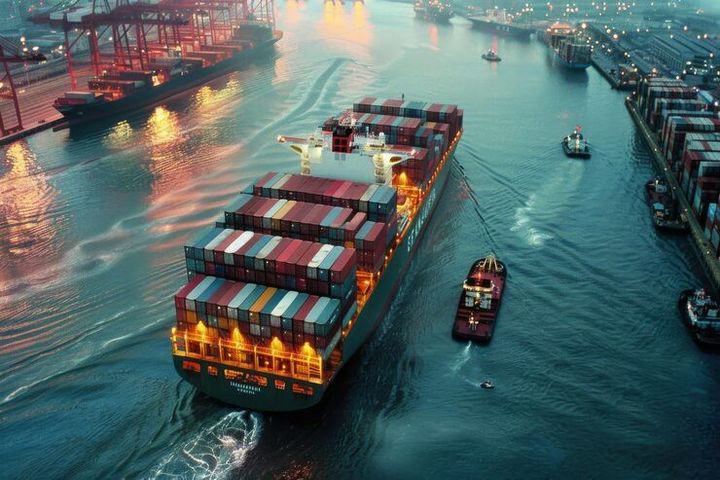
Marine Cargo Logistics Guide: Freight Operations, Port Handling, Documentation and Delivery Processes
Marine cargo logistics refers to the processes involved in moving goods by sea between countries, ports, and coastal regions. It connects manufacturers, exporters, importers, shipping companies, freight forwarders, port operators, customs authorities, warehouses, and inland transportation providers. These participants coordinate the movement of cargo from its origin to its destination.
Context
Marine cargo logistics refers to the processes involved in moving goods by sea between countries, ports, and coastal regions. It connects manufacturers, exporters, importers, shipping companies, freight forwarders, port operators, customs authorities, warehouses, and inland transportation providers. These participants coordinate the movement of cargo from its origin to its destination.
International maritime transportation supports the movement of many types of goods, including machinery, vehicles, construction materials, agricultural products, textiles, chemicals, and electronic equipment. Cargo may travel in containers, bulk carriers, tankers, or specialized vessels, depending on its physical properties and handling requirements.
A marine cargo logistics guide helps explain how freight operations, port handling, shipping documentation, customs procedures, and final delivery fit together. Although individual shipments differ, most follow a sequence that begins with cargo preparation and booking and continues through transportation, port processing, and delivery.
Importance
Marine cargo logistics plays an important role in international trade because ships can carry substantial quantities of goods over long distances. Efficient coordination helps businesses manage transportation schedules, cargo handling, inventory planning, and communication between different participants.
The process also addresses practical challenges. Cargo can be delayed by port congestion, incomplete documentation, customs inspections, adverse weather, equipment shortages, or changes in vessel schedules. Incorrect cargo descriptions and missing paperwork can create additional administrative work.
Different participants have distinct responsibilities. Exporters prepare shipments and provide accurate cargo information, while shipping lines arrange maritime transportation. Freight forwarders coordinate transportation activities, port operators manage cargo movements within terminals, and customs authorities apply relevant import and export requirements.
For importers and exporters, understanding marine cargo logistics helps clarify the sequence of events, the documents involved, and the responsibilities associated with each stage. It also explains why communication and accurate records are important throughout an international shipment.
Main freight transportation methods
Marine freight generally uses several transportation methods:
Container shipping: Standardized containers carry packaged goods, machinery, furniture, electronics, and many other products.
Dry bulk shipping: Vessels transport unpackaged commodities such as grain, coal, mineral ores, and certain industrial materials.
Liquid bulk shipping: Tankers carry liquids such as crude oil, petroleum products, and other permitted liquid cargoes.
Roll-on/roll-off shipping: Specialized vessels accommodate wheeled cargo, including cars, trucks, trailers, and certain types of machinery.
Breakbulk shipping: Individual items that do not fit conventional container arrangements are loaded and secured separately.
The appropriate method depends on cargo dimensions, weight, packaging, handling requirements, safety considerations, and the available shipping arrangements.
Recent Updates
Marine cargo logistics continues to evolve through digital documentation, vessel-tracking systems, automated terminal equipment, and improved data exchange. These developments can help participants monitor shipments, coordinate port activities, and identify documentation issues earlier in the process.
Electronic bills of lading and digital trade documents are receiving increased attention because traditional paper-based processes can involve courier delays, repeated data entry, and document-handling difficulties. Adoption varies by shipping route, trading partner, legal framework, and company systems. Electronic documents must meet applicable legal and operational requirements to be accepted.
Port automation is another continuing development. Some terminals use automated cranes, remotely operated equipment, digital gate systems, and container-management platforms to coordinate cargo movements. These systems can support terminal planning, although their effectiveness depends on infrastructure, integration, and operating conditions.
Environmental measures are also influencing maritime transportation. The International Maritime Organization (IMO) has established energy-efficiency and greenhouse-gas-related measures for international shipping. Shipping companies and port operators are examining vessel efficiency, alternative fuels, shore-side electricity, and operational improvements, with implementation varying across fleets and locations.
Shipment visibility and data management
Digital tracking tools can provide information about vessel movements, container milestones, estimated arrival times, and port events. However, tracking information is not always updated continuously, and estimated arrival times can change because of weather, congestion, or operational disruptions.
Standardized electronic data exchange can also help shipping lines, ports, customs agencies, and logistics coordinators share shipment information. Accurate reference numbers, consistent cargo descriptions, and timely updates remain important even when digital systems are available.
Laws or Policies
Marine cargo logistics is governed by international maritime conventions, national customs legislation, port rules, and regulations covering particular cargo categories. The applicable requirements depend on the origin, destination, transit countries, vessel, cargo type, and transportation arrangements.
The International Maritime Organization develops international standards concerning maritime safety, security, pollution prevention, and other shipping matters. Relevant frameworks include the International Convention for the Safety of Life at Sea (SOLAS), the International Convention for the Prevention of Pollution from Ships (MARPOL), and the International Convention on Standards of Training, Certification and Watchkeeping for Seafarers (STCW).
For containerized cargo, SOLAS includes the verified gross mass requirements for packed containers before they are loaded onto ships. Accurate weight information supports safe vessel stowage and cargo planning.
In India, maritime cargo movements are affected by the Customs Act, 1962, applicable customs regulations, port requirements, and procedures administered by the Central Board of Indirect Taxes and Customs (CBIC). Export and import documentation may include shipping bills, bills of entry, invoices, packing lists, transport documents, and other declarations depending on the transaction.
The Directorate General of Shipping oversees relevant aspects of Indian maritime administration. The Indian Ports Act, 2025, and other applicable legislation also form part of the country's changing port regulatory framework. Specific requirements depend on the provisions in force and the relevant port.
Certain goods require additional documentation, permits, declarations, or safety controls. Dangerous goods, for example, may be subject to the International Maritime Dangerous Goods (IMDG) Code. Customs classifications, origin declarations, sanctions, and restrictions can also affect shipment clearance.
Tools and Resources
Several digital platforms and reference materials help participants understand and coordinate marine cargo logistics.
Indian Customs and CBIC resources provide information about customs procedures, declarations, and applicable trade requirements.
The Directorate General of Shipping publishes information about maritime administration, applicable regulations, and shipping-related notices.
International Maritime Organization publications explain international maritime safety, environmental requirements, and dangerous-goods frameworks.
Shipping-line tracking portals provide shipment milestones, container references, vessel information, and estimated arrival details when available.
Port authority websites publish terminal information, operational notices, port procedures, and relevant cargo-handling requirements.
Freight management software helps organize bookings, shipment records, transport milestones, document references, and communication.
Spreadsheet templates can track container numbers, vessel names, departure and arrival ports, estimated arrival dates, customs status, and delivery milestones.
Document checklists help organize commercial invoices, packing lists, bills of lading, customs declarations, certificates, and permits relevant to a particular shipment.
Information should be checked against the relevant authority or shipping company because requirements and operational details may change. A tracking portal can show shipment progress, but it does not replace formal customs clearance or proof of delivery.
Freight Operations and Port Handling
Booking and cargo preparation
The process generally begins when an exporter or logistics coordinator identifies the shipment details, cargo dimensions, weight, packaging, destination, and required transportation arrangements. A shipping line or freight forwarder coordinates a suitable booking based on the shipment's characteristics and available capacity.
Cargo preparation may involve packing, labeling, palletization, container loading, and securing. Exporters must provide accurate cargo descriptions and follow applicable packaging and dangerous-goods rules.
Port handling and vessel loading
After preparation, the cargo moves to a port or designated terminal. Depending on the shipment, activities can include gate-in procedures, document verification, weighing, inspection, temporary storage, and movement to a designated loading area.
Terminal operators coordinate cargo positioning and loading according to the vessel's plan. Container weight, cargo characteristics, stowage arrangements, and applicable safety rules influence loading procedures. Once the vessel departs, shipment tracking can help participants monitor progress.
Documentation and customs clearance
Marine cargo documentation establishes the identity, contents, ownership or control, and transportation details of a shipment. Common documents include:
Commercial invoice: Describes the transaction, goods, quantities, and declared values.
Packing list: Records package contents, quantities, dimensions, and weights.
Bill of lading: Serves as a transport document and, depending on its form, may function as a document of title.
Certificate of origin: Identifies the country of origin when required.
Customs declaration: Provides information required for export or import processing.
Insurance certificate: Documents cargo insurance when applicable.
The exact document set varies by shipment. Customs authorities may review declarations, examine goods, request supporting evidence, or apply duties and other regulatory measures before releasing cargo.
Arrival and final delivery
At the destination port, cargo is unloaded and processed through terminal procedures. The consignee or appointed representative coordinates customs clearance, payment of applicable charges, release documentation, and collection arrangements.
After terminal release, cargo may move by truck, rail, or another inland transportation method to a warehouse, distribution facility, or final destination. Delivery records and cargo condition checks help establish whether the shipment has reached its intended recipient.
FAQs
What is marine cargo logistics?
Marine cargo logistics is the coordination of goods transported by sea, including freight booking, port handling, shipping documentation, customs clearance, tracking, and final delivery.
Which documents are required for marine cargo shipping?
Common documents include a commercial invoice, packing list, bill of lading, and relevant customs declarations. Certificates, permits, insurance documents, and additional forms may be required depending on the cargo and destination.
How does port handling work in marine cargo logistics?
Port handling can involve cargo receipt, gate checks, weighing, temporary storage, inspection, terminal movement, vessel loading, unloading, and release. Procedures depend on the port, cargo type, and applicable regulations.
What causes delays in marine freight operations?
Common causes include port congestion, weather disruptions, vessel schedule changes, incomplete paperwork, customs inspections, cargo discrepancies, and equipment availability.
How can a marine cargo shipment be tracked?
Shipments can often be tracked through a shipping line's website using a container number, bill of lading number, or booking reference. Tracking details and update frequency vary by carrier and transportation arrangement.
Conclusion
Marine cargo logistics connects sea transportation with port handling, documentation, customs clearance, and inland delivery. Successful coordination depends on accurate cargo information, compliance with applicable regulations, reliable communication, and clear shipment records. Digital tracking and electronic documentation are changing how participants manage freight operations, while safety and environmental requirements continue to shape maritime transportation.