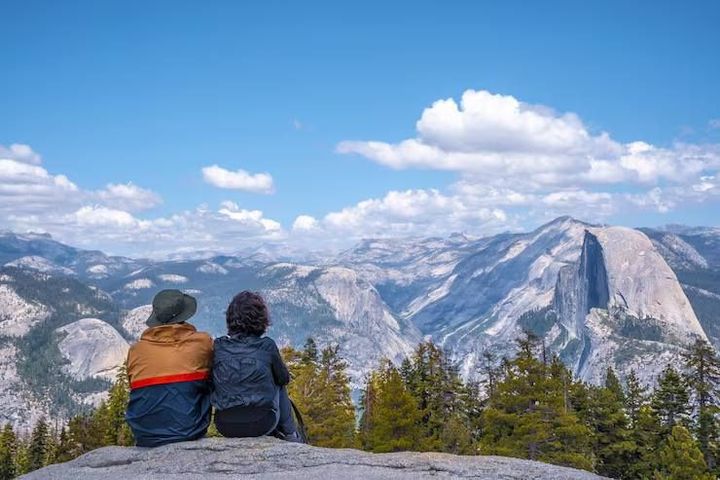
Mountain Tourism Suggestions for Scenic Routes, Outdoor Adventures, Hiking, and Planning
Mountain tourism includes travel to mountainous regions for scenic exploration, hiking, trekking, wildlife observation, photography, cultural experiences, camping, cycling, climbing, and other outdoor activities.
Mountains occur across many parts of the world and create distinctive travel environments because of their elevation, terrain, climate, vegetation, and local communities. Mountain tourism suggestions therefore cover much more than selecting a destination; they also involve route planning, weather awareness, physical preparation, transportation, accommodation, and environmental responsibility.
Mountain travel developed from exploration, pilgrimage, scientific expeditions, and local journeys into a broader form of recreational tourism. Improvements in roads, railways, aviation, mapping technology, accommodation, and outdoor equipment have made many mountain areas more accessible to visitors.
A mountain trip can range from a short scenic drive through highland landscapes to a multi-day hiking route. Some travelers prefer established trails with nearby facilities, while others choose remote areas that require more preparation and navigation skills.
Types of Mountain Tourism
Mountain tourism can include several travel styles:
Scenic routes through mountain valleys and passes
Day hiking on established trails
Multi-day trekking between mountain communities
Wildlife and nature observation
Camping and outdoor recreation
Mountain cycling
Rock climbing and related activities
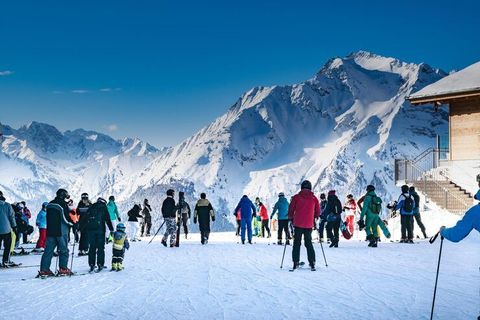
Winter recreation in suitable regions
Cultural and heritage visits
Photography and landscape exploration
Each activity has different physical and logistical requirements. A scenic road trip may require vehicle planning and weather checks, while a multi-day trek can require route permits, navigation equipment, food planning, and overnight arrangements.
Mountain Landscapes and Travel Seasons
Mountain environments can change significantly with elevation. Temperature, rainfall, wind, snow, visibility, and daylight conditions may differ between valleys and higher areas.
Travel seasons also vary by region. Some mountain destinations are accessible during warmer months, while others attract visitors during snow seasons. Shoulder periods can have changing trail conditions, temporary closures, or limited transportation.
Understanding seasonal conditions is therefore an important part of mountain tourism planning.
Importance
Mountain tourism matters because it connects travel with nature, outdoor recreation, local culture, and physical activity. It can also contribute to economies in rural and highland communities through accommodation, transportation, food, guiding, equipment-related activities, and cultural experiences.
For travelers, mountain environments provide opportunities to experience landscapes that differ considerably from urban and coastal destinations. They can also encourage slower travel, walking, photography, and interaction with natural environments.
Who Participates in Mountain Tourism?
Mountain tourism attracts travelers with different interests and experience levels. Some visitors choose easy walking routes, viewpoints, and scenic roads, while experienced hikers may select longer routes with greater elevation changes.
Travelers may include:
Families seeking accessible outdoor activities
Solo travelers planning hiking trips
Couples exploring scenic mountain areas
Photography enthusiasts
Nature and wildlife observers
Experienced trekkers
Cycling and climbing participants
Travelers interested in mountain communities and culture
The activity should match the participant's physical condition, experience, equipment, and familiarity with the environment.
Scenic Routes
Scenic mountain routes can be an important part of a trip even when hiking is not the primary activity. Roads may pass through valleys, forests, lakes, highland villages, mountain passes, and viewpoints.
Route planning should consider road conditions, driving time, fuel or charging access, weather, parking areas, elevation changes, and seasonal closures. Mountain roads can contain narrow sections, steep gradients, sharp turns, or changing visibility.
A realistic itinerary should allow additional time for weather changes, traffic, photography stops, meals, rest, and unexpected delays.
Hiking and Outdoor Adventures
Hiking is one of the most accessible forms of mountain tourism, but trail difficulty varies considerably. Distance alone does not determine difficulty. Elevation gain, terrain, weather, navigation requirements, and trail surface can all affect the experience.
Before starting a route, travelers can review:
Trail distance and elevation profile
Expected weather conditions
Trail surface and technical sections
Water availability
Navigation requirements
Daylight hours
Emergency communication options
Local access restrictions
Estimated walking time
Remote routes may have limited mobile connectivity. Travelers should understand the route and have an appropriate navigation method rather than relying entirely on a phone connection.
Recent Updates
From 2024 through 2026, mountain tourism has continued to develop around nature-based travel, digital trip planning, responsible tourism, outdoor recreation, and visitor management. Travelers increasingly use digital maps, weather applications, trail databases, satellite navigation, and online reservation systems when preparing mountain journeys.
Digital Route Planning
Digital mapping has become a central part of mountain travel planning. Many mapping platforms can display trail routes, elevation information, roads, terrain, viewpoints, and estimated travel times.
GPS-enabled devices can also help travelers understand their position along a route. However, digital navigation should not be treated as a substitute for local information, physical maps, or appropriate preparation in remote environments.
Nature-Based Travel
Interest in nature-based travel has continued to influence mountain tourism. Travelers increasingly combine hiking with wildlife observation, landscape photography, local food, cultural visits, and environmentally responsible activities.
This broader approach can reduce the emphasis on reaching a single viewpoint and instead make the journey itself part of the travel experience.
Visitor Management
Popular mountain areas increasingly need systems for managing visitor numbers, trail congestion, waste, parking, camping, and environmental impacts. Some destinations use reservations, permits, designated trails, seasonal restrictions, or controlled access in sensitive areas.
Such measures can vary by location and may change according to weather, environmental conditions, conservation requirements, or visitor volumes.
Sustainable Mountain Travel
Environmental awareness has become an important part of mountain tourism. Travelers are increasingly encouraged to remain on designated paths, carry waste out where required, minimize disturbance to wildlife, and respect local communities.
Mountain ecosystems can be sensitive to erosion, litter, water contamination, vegetation damage, and uncontrolled camping. Responsible visitor behavior can help reduce pressure on these environments.
Laws or Policies
Mountain tourism is shaped by rules relating to national parks, protected landscapes, forests, wildlife, roads, camping, climbing, environmental protection, and local communities. Requirements vary significantly by country and destination.
Protected Areas
National parks and protected landscapes may have specific rules concerning hiking routes, camping, fires, wildlife interaction, photography, drones, waste, and vehicle access.
Some trails require permits or advance registration. Other areas may restrict access during particular seasons because of fire risks, severe weather, wildlife protection, construction, or conservation activities.
Visitors should follow local signs and instructions because rules can differ even between nearby mountain areas.
Hiking and Outdoor Safety
Mountain authorities may establish rules for designated routes, climbing areas, river crossings, camping locations, or high-altitude zones. Certain activities may require specific permits or qualified supervision.
Weather conditions can change quickly in mountainous environments. Rain, snow, strong winds, fog, heat, and freezing conditions can create hazards even when lower elevations have mild weather.
Environmental Protection
Environmental policies can regulate waste disposal, water use, campfires, vehicles, wildlife interaction, and construction. These measures help protect ecosystems and reduce damage caused by tourism.
Travelers should avoid removing plants, rocks, cultural objects, or other natural materials where local rules prohibit collection. Wildlife should generally be observed from an appropriate distance without feeding or disturbing animals.
Tools and Resources
Mountain trip planning can involve several digital and physical resources. Mapping platforms can help examine roads, trails, elevation profiles, and distances. Weather applications can provide forecasts, rainfall information, wind conditions, temperature ranges, and warnings.
Useful resources include:
Digital trail maps
Topographic maps
Weather applications
Elevation calculators
Route-planning platforms
Offline navigation tools
Packing checklists
Public transportation planners
Park information systems
Permit and reservation platforms
Emergency contact information
Travel insurance documents
A simple planning comparison can help organize different mountain travel formats:
| Travel Type | Typical Focus | Main Planning Considerations |
|---|---|---|
| Scenic Drive | Landscapes and viewpoints | Roads, weather, vehicle access |
| Day Hike | Short outdoor exploration | Distance, elevation, daylight |
| Multi-Day Trek | Extended hiking | Accommodation, food, navigation |
| Mountain Cycling | Outdoor cycling | Terrain, route conditions, equipment |
| Wildlife Visit | Nature observation | Seasonal activity, access rules |
| Camping Trip | Overnight outdoor travel | Campsite rules, weather, equipment |
| Cultural Mountain Trip | Local communities and heritage | Customs, access, transportation |
Packing and Preparation
Packing requirements depend on the activity and season. Basic hiking equipment can include suitable footwear, layered clothing, water, food, navigation equipment, lighting, weather protection, and a first-aid kit.
Higher elevations can require additional preparation because temperatures and weather conditions may differ from those at lower elevations. Travelers should also understand the physical demands of the selected route.
For multi-day travel, accommodation, food supplies, water access, transportation connections, and communication arrangements should be considered before departure.
Responsible Travel Practices
Responsible mountain tourism involves reducing environmental impact while respecting local communities. Practical approaches include staying on designated routes, following waste rules, avoiding unnecessary noise, and respecting private land and cultural locations.
Visitors can also consider local transportation and locally operated accommodation where appropriate. Cultural awareness is important because mountain communities may have traditions, religious practices, or land-use customs unfamiliar to visitors.
FAQs
What is mountain tourism?
Mountain tourism refers to travel to mountainous areas for activities such as scenic exploration, hiking, trekking, wildlife observation, camping, cycling, photography, climbing, and cultural experiences.
What should be considered when planning scenic mountain routes?
Important factors include road conditions, weather, elevation, driving time, seasonal closures, fuel or charging access, parking, visibility, accommodation, and emergency communication.
What are important hiking planning considerations?
Hiking plans should consider trail distance, elevation gain, terrain, weather, daylight, water availability, navigation, physical requirements, access restrictions, and communication conditions.
What outdoor adventures are available in mountain tourism?
Depending on the destination, activities can include hiking, trekking, cycling, camping, climbing, wildlife observation, photography, scenic driving, and winter recreation.
Are permits required for mountain tourism?
Some national parks, protected areas, trekking routes, camping areas, and climbing locations require permits or advance registration. Requirements vary by destination and can change with environmental or seasonal conditions.
Conclusion
Mountain tourism combines scenic travel, hiking, outdoor recreation, nature observation, cultural experiences, and route planning across diverse highland environments. Successful planning requires attention to terrain, elevation, weather, transportation, equipment, access rules, and physical requirements. Recent trends include greater use of digital navigation, nature-focused travel, visitor management, and environmental awareness. Local regulations and seasonal conditions remain important considerations for mountain routes and outdoor activities.