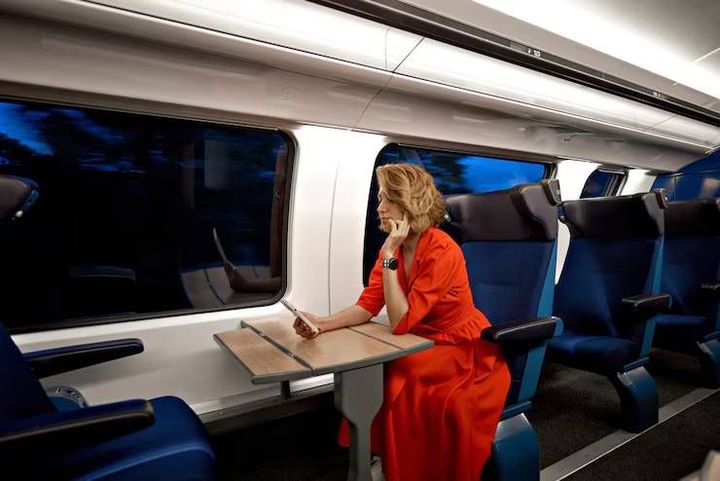
European Rail Passes and Premium Train Travel Guide With Luxury Rail Experiences and Travel Resources
European rail travel connects major cities, historic towns, mountain regions, coastal destinations, and cultural landmarks through an extensive railway network.
European rail passes allow eligible travelers to use multiple participating train networks under one travel document, while premium train travel focuses on enhanced onboard comfort, private cabins, fine dining, scenic routes, and specialized railway experiences.
The development of international rail connections has made train journeys an important part of tourism and business transportation across Europe. Different railway operators manage their own routes, schedules, seating arrangements, and ticket conditions, so travelers often need to understand several systems when planning a multi-country journey.
European rail passes generally include options such as the Eurail Pass for eligible international visitors and the Interrail Pass for eligible European residents. These passes provide access to participating railway networks, although some journeys require separate seat reservations or additional supplements.
Premium train travel covers several categories, including first-class seating, sleeper trains, luxury sightseeing journeys, and historic railway experiences. The appropriate arrangement depends on the destination, journey length, travel preferences, and available departure times.
Importance
Why European Rail Passes Matter
European rail passes can simplify travel across multiple countries by bringing eligible journeys under one travel document. Instead of arranging every journey independently, travelers can use a pass for participating routes while managing reservations separately where required.
This arrangement is particularly relevant for people planning itineraries across several destinations. A traveler might connect cities such as Paris, Zurich, Vienna, and Rome while combining urban sightseeing with regional excursions.
Rail passes can also provide flexibility when travel plans include several eligible routes. However, travelers must understand the distinction between a travel day, the pass's overall validity period, and any separate reservation requirements.
Who Uses Premium Train Travel?
Premium train travel attracts different groups of travelers, including:
Leisure travelers interested in scenic landscapes and comfortable journeys.
Couples and families planning longer holidays across several destinations.
Business travelers seeking quieter seating or additional onboard space.
International visitors combining city breaks with mountain or countryside excursions.
Travelers interested in overnight sleeper cabins or heritage railway experiences.
Premium arrangements vary considerably. First-class seating on a regular intercity train is different from a dedicated luxury rail journey with private cabins, organized excursions, and formal dining.
Common Travel Challenges
Planning European rail journeys can involve several practical difficulties. International routes may require multiple reservations, and train schedules can vary according to the season, maintenance work, or operational changes.
Other considerations include luggage space, accessibility, overnight accommodation, and connections between railway stations. Travelers using a rail pass may also encounter trains that require reservations even when the underlying journey is covered by the pass.
Comparing the full journey requirements helps clarify which arrangements are suitable for a particular itinerary.
Recent Updates
Changes in European Rail Travel
Recent developments across European rail travel have emphasized digital ticketing, electronic reservations, improved passenger information, and more integrated journey planning. Many railway operators provide mobile tickets and digital booking management, although available features differ between countries and operators.
Cross-border railway connections remain an important part of European transportation planning. Operators continue to adjust timetables, expand selected international connections, and coordinate journeys between neighboring countries. Actual route availability depends on infrastructure, commercial arrangements, and operating schedules.
Travelers should also distinguish between confirmed routes and proposed railway developments. Announcements about future international services do not necessarily mean that tickets or reservations are already available.
Premium and Sleeper Train Experiences
Interest in overnight rail travel and scenic journeys remains part of the broader European tourism market. Sleeper trains allow passengers to travel between selected destinations overnight, while dedicated luxury trains focus on the onboard experience as much as the destination.
Examples include the Venice Simplon-Orient-Express, which operates selected luxury itineraries, and regular European sleeper services that provide sleeping compartments or couchettes on certain routes. These products have different booking arrangements, accommodation standards, and journey purposes.
Digital planning tools have also made it easier to compare departure times, transfers, journey durations, and accommodation categories. Nevertheless, real-time operational information should take priority over older itineraries or general route descriptions.
Comparison of European Rail Travel Options
Travel option | Main characteristics | Important consideration |
|---|---|---|
Eurail Pass | Multi-country rail access for eligible international visitors | Reservations may be separate |
Interrail Pass | Rail travel for eligible European residents | Eligibility and route conditions apply |
First-class train ticket | Enhanced seating and selected onboard amenities | Features differ by operator |
Sleeper train | Overnight travel with sleeping accommodation | Cabin type and reservation rules vary |
Luxury rail journey | Dedicated itinerary with premium onboard experiences | Usually has separate booking conditions |
Regional train ticket | Travel on a particular regional route | Validity may be route-specific |
Laws or Policies
European Passenger Rights
Rail travel within the European Union is governed by passenger-rights rules that address matters such as delays, cancellations, information, and assistance. The applicable protections depend on the journey, the type of railway operation, and relevant legal exceptions.
EU rail passenger-rights legislation establishes requirements for passenger information and certain forms of assistance or compensation when qualifying conditions are met. Travelers should review the applicable conditions because specific circumstances, including disruption causes and journey arrangements, can affect the available rights.
Journeys that cross national borders may involve multiple railway operators. The ticket issuer, operating carrier, and applicable passenger-rights framework can influence how a disruption is handled.
Rail Pass Conditions and Reservations
Rail passes are subject to eligibility requirements, validity periods, travel-day rules, and participating-network conditions. Travelers should verify whether a selected pass covers the intended route and whether the train requires an additional reservation.
Some high-speed trains and international overnight services have compulsory reservation requirements. A valid pass does not necessarily guarantee a seat on a particular departure, and reservation availability can be limited during busy periods.
Important conditions to review include:
Pass validity and eligible travel dates.
Participating railway companies and covered routes.
Reservation requirements and additional supplements.
Rules for changing travel plans or cancelling reservations.
Restrictions affecting selected premium or private railway services.
Accessibility, Safety, and Travel Documents
Railway operators publish information about station accessibility, boarding assistance, luggage arrangements, and onboard facilities. Travelers who require assistance should check the relevant operator's procedures and request arrangements within its stated time limits.
International travelers should also confirm passport, visa, and entry requirements for every country on their itinerary. A rail pass does not replace immigration documents or permission to enter a destination.
Tools and Resources
Rail Pass and Journey Planning Platforms
Digital railway platforms can help travelers compare routes, understand pass coverage, and review schedules before departure. Different tools have different levels of coverage, so checking more than one source may be useful for complex international itineraries.
Relevant resources include:
Eurail planning resources for international visitors using eligible passes.
Interrail planning resources for eligible European residents.
National railway operator websites for schedules, reservations, accessibility information, and disruption notices.
International timetable platforms for comparing connections across multiple railway networks.
Official tourism information for regional attractions and seasonal transport connections.
For premium train travel, the operator's own booking platform is usually the appropriate place to verify cabin categories, onboard arrangements, included meals, and itinerary details.
Comparing Travel Arrangements
A structured comparison can help travelers evaluate the practical requirements of different railway options. The following template identifies factors worth reviewing before confirming a journey.
Comparison factor | Questions to consider |
|---|---|
Route coverage | Does the pass or ticket cover every intended train? |
Reservation | Is a separate seat or cabin reservation required? |
Accommodation | Is the journey seated, couchette-based, or sleeper-based? |
Journey duration | How long is the trip, including transfers? |
Flexibility | Can travel dates or departures be changed? |
Luggage | What size, weight, and storage rules apply? |
Accessibility | Are boarding assistance and accessible facilities available? |
Total expenditure | Have tickets, reservations, accommodation, and supplements been considered together? |
Planning a Multi-Country Rail Itinerary
A practical itinerary begins with the main destinations and the order in which they will be visited. Travelers can then compare direct connections, transfer times, overnight options, and the availability of reserved seating.
For example, a journey connecting Paris, Munich, and Vienna may involve different operators and reservation conditions. A separate scenic journey through the Alps might require a different ticket or an additional reservation, depending on the selected train.
It is also useful to retain digital or printed copies of tickets, reservation confirmations, and travel documents. Checking departure stations and platform information before travel can reduce confusion, particularly when several trains leave within a short period.
FAQs
What Is a European Rail Pass?
A European rail pass is a travel document that allows eligible passengers to use participating railway networks under specified conditions. Coverage, validity periods, and reservation requirements depend on the pass selected.
What Is the Difference Between Eurail and Interrail Passes?
Eurail generally serves eligible international visitors from outside the European participating-resident area, while Interrail is intended for eligible European residents. Eligibility conditions and participating networks should be checked before selecting a pass.
Do European Rail Passes Include Premium Train Reservations?
Not necessarily. Some trains require additional seat reservations, cabin reservations, or supplements, even when the journey is covered by a rail pass. Dedicated luxury rail journeys may require separate tickets.
Which Luxury Train Experiences Are Available in Europe?
European options include selected luxury journeys such as the Venice Simplon-Orient-Express, along with scenic railway experiences and overnight sleeper services. Routes, cabin categories, onboard dining, and departure availability vary by operator.
How Can Travelers Compare European Rail Passes and Train Tickets?
Travelers can compare eligible routes, journey frequency, reservation requirements, flexibility, accommodation, and total expenditure. Official railway operator information and pass-planning tools help clarify the conditions applicable to each itinerary.
Conclusion
European rail passes provide a structured way to explore participating railway networks across multiple destinations, while premium train travel adds options for enhanced comfort, overnight accommodation, and dedicated scenic journeys. Understanding pass eligibility, reservation requirements, passenger rights, and route coverage helps clarify the practical differences between available arrangements. Digital planning tools and official railway information remain important resources for checking schedules and travel conditions. The suitability of each option depends on the itinerary, travel preferences, and applicable railway rules.