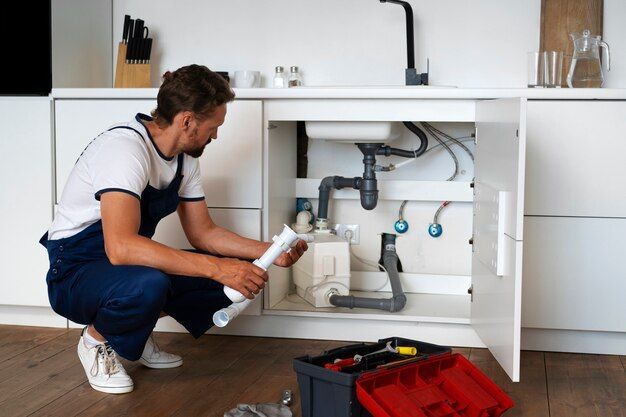
Plumbing Services Guide: Understanding Services and Local Options Compared
Plumbing is the system of pipes, fixtures, valves, drains, and related equipment used to move water into buildings and carry wastewater away. Plumbing work covers installation, maintenance, inspection, repair, replacement, and troubleshooting of these connected components. Local plumbing providers may handle residential, commercial, and industrial requirements depending on their skills, equipment, and licensing.
Context
The development of modern plumbing systems was driven by the need for reliable water distribution, sanitation, drainage, and protection against water-related damage. Earlier buildings often depended on wells, public fountains, simple drainage channels, or manually carried water. Over time, pressurized water networks, indoor fixtures, drainage systems, and standardized pipe materials became common.
Today, plumbing can involve relatively simple tasks such as replacing a damaged tap or clearing a blocked drain, as well as more complex work involving water heaters, pumps, drainage networks, gas-related systems where permitted, or extensive pipe installations. The appropriate approach depends on the building, plumbing layout, problem, and applicable regulations.
Main areas of plumbing work
Plumbing activities can generally be grouped into several categories:
- Water supply: Installation and maintenance of pipes that deliver clean water to fixtures and appliances.
- Drainage: Management of wastewater through drains, traps, waste pipes, and larger drainage lines.
- Fixtures: Work involving sinks, taps, toilets, showers, bathtubs, and similar fittings.
- Water heating: Installation, inspection, and maintenance of equipment used to heat domestic water.
- Pipework: Inspection, repair, replacement, and installation of water or drainage pipes.
- Leak detection: Identification of visible or concealed water leaks using inspection methods and specialized equipment.
Local options can differ considerably. Some providers focus on household plumbing, while others work primarily with commercial buildings, industrial facilities, drainage infrastructure, or new construction.
Common plumbing categories
| Plumbing area | Typical work | Common setting |
|---|---|---|
| Water supply | Pipe installation and leak repair | Homes and buildings |
| Drainage | Blockage investigation and drain repair | Residential and commercial |
| Fixtures | Tap, sink and toilet work | Homes and offices |
| Water heating | Installation and maintenance | Residential and commercial |
| Pipe inspection | Leak and pipe-condition assessment | Various buildings |
| New installation | Complete plumbing layouts | Construction projects |
Importance
Plumbing affects everyday activities such as drinking water access, cooking, bathing, cleaning, sanitation, and wastewater removal. A small plumbing problem can sometimes remain unnoticed until it develops into a larger issue, particularly when water leaks occur inside walls, ceilings, floors, or concealed pipe spaces.
Reliable plumbing also contributes to building hygiene and structural protection. Poorly functioning drainage can result in standing wastewater, while uncontrolled leaks can contribute to damp areas and damage to building materials.
Understanding plumbing options can help people describe a problem more accurately and distinguish between routine maintenance, repair work, inspection, and larger installation projects. It can also help building owners understand when specialized expertise may be necessary.
Common problems found in buildings
Plumbing problems vary according to the age and design of a building, pipe materials, water pressure, usage patterns, climate, and maintenance history. Frequently encountered issues include:
- Dripping or leaking taps
- Slow or blocked drains
- Running toilets
- Low or inconsistent water pressure
- Leaking supply pipes
- Blocked or damaged wastewater pipes
- Water heater problems
- Corrosion or deterioration of pipework
- Frozen pipes in cold climates
- Unusual smells associated with drainage systems
Some problems can have several possible causes. For example, low water pressure may be related to a partially closed valve, blocked pipe, pressure-regulation equipment, building-wide supply conditions, or another part of the plumbing network.
Comparing local plumbing options
When comparing local plumbing providers, the type of work should be considered first. A provider experienced with household fixture repairs may not handle large commercial pipe networks, while an industrial plumbing contractor may not focus on routine residential requirements.
Relevant factors can include:
- Licensing or registration requirements
- Experience with the specific type of plumbing system
- Availability of suitable diagnostic equipment
- Written descriptions of the proposed work
- Applicable warranties or workmanship terms
- Insurance or liability arrangements where required
- Reviews and references from relevant customers
- Compliance with local building and plumbing rules
The comparison should focus on qualifications and suitability for the particular requirement rather than relying only on advertising claims or general ratings.
Recent Updates
Plumbing has increasingly incorporated digital inspection tools, water-efficiency equipment, improved pipe materials, and connected monitoring technologies. These developments are changing how some plumbing systems are designed, inspected, and maintained.
Leak detection is one area receiving greater attention. Electronic sensors and monitoring systems can detect unusual water flow or moisture and may provide alerts through connected devices. Such systems can be particularly useful in buildings where an unnoticed leak could affect walls, flooring, equipment, or stored materials.
Water-efficient plumbing
Modern plumbing design also places greater attention on water efficiency. Low-flow taps, shower fixtures, dual-flush toilets, pressure-regulating equipment, efficient water heaters, and automated controls can reduce unnecessary water use when correctly selected and installed.
Water-efficient design does not simply mean reducing flow everywhere. Fixtures need to provide adequate performance for their intended use, while pressure and pipe sizing must remain compatible with the building's requirements.
Pipe inspection technology
Camera inspection systems are increasingly used for investigating drainage and sewer pipes. A small camera can travel through an accessible pipe and transmit images that help identify blockages, cracks, root intrusion, buildup, or other conditions.
Other diagnostic approaches include electronic leak detection, thermal imaging, moisture measurement, and pressure testing. The appropriate technique depends on the suspected problem and the construction of the plumbing system.
Smart monitoring
Connected plumbing equipment is another developing area. Sensors can monitor water flow, pressure, temperature, or moisture and transmit information to an application or building-management system.
These technologies can provide additional information, but they do not eliminate the need for physical inspection when a plumbing problem requires investigation or repair.
Laws or Policies
Plumbing work is commonly influenced by building codes, plumbing codes, water-quality requirements, sanitation rules, environmental regulations, and local licensing systems. The exact requirements differ between jurisdictions and may also vary according to building type and the nature of the work.
Plumbing codes typically address subjects such as pipe materials, drainage design, fixture installation, water supply protection, ventilation, backflow prevention, and access for maintenance. New construction and significant alterations may require permits or inspections before work can be completed.
Licensing and qualifications
Some jurisdictions require plumbers or plumbing contractors to hold specific licenses, registrations, or certifications. Requirements may depend on the complexity of the work, the type of property, and whether the activity involves specialized systems.
Certain plumbing activities may also interact with other regulated areas. For example, work involving gas appliances, electrical components, public water systems, or structural changes can be subject to additional rules.
Water and environmental requirements
Water conservation policies can influence fixture specifications and plumbing design. Wastewater discharge, stormwater management, backflow prevention, and protection of drinking-water systems may also be regulated.
Because plumbing regulations vary by location, current requirements should be checked with the relevant municipal, regional, or national authority before regulated work begins. General information cannot replace the requirements applicable to a particular building.
Tools and Resources
Several practical resources can help people understand plumbing systems and organize information about plumbing work.
Plumbing diagrams
A basic plumbing diagram can show the relationship between the main water supply, branch pipes, fixtures, valves, water heaters, and drainage lines. Building owners may find these diagrams useful when discussing a problem or planning alterations.
Water-use calculators
Online water-use calculators can estimate household or building water consumption based on fixture use and daily activities. These tools can provide general estimates and help illustrate how fixture selection and usage patterns affect water demand.
Maintenance checklists
A plumbing maintenance checklist can include:
- Inspecting visible pipes for leaks
- Checking taps and valves
- Examining areas around water heaters
- Cleaning accessible drain components
- Checking toilets for continuous water flow
- Inspecting exposed pipe insulation where relevant
- Recording recurring plumbing problems
- Keeping information about shut-off valves
The appropriate inspection frequency depends on the building and plumbing system.
Local authority resources
Municipal and regulatory websites can provide information about plumbing codes, permits, licensing requirements, water regulations, drainage rules, and inspection procedures. Manufacturer documentation can also provide specifications for particular plumbing fixtures and equipment.
FAQs
What does plumbing service include?
Plumbing work can include water-supply installation, drainage, leak investigation, fixture maintenance, pipe repairs, water-heating equipment, and new plumbing installation. The exact scope depends on the provider and the type of building.
How can I compare local plumbing services?
Compare local plumbing options according to licensing requirements, relevant experience, equipment, written work descriptions, applicable guarantees or warranties, insurance arrangements, and familiarity with local plumbing rules. The comparison should also consider whether the provider handles the specific type of plumbing issue involved.
What are common plumbing services for homes?
Common residential plumbing work includes tap and toilet repairs, drain blockage investigation, leak detection, pipe maintenance, fixture replacement, water-heater work, and drainage repairs.
When is professional plumbing work required?
Specialized plumbing expertise may be necessary when a problem involves concealed pipes, significant leaks, complex drainage systems, water heaters, new installations, regulated systems, or work requiring permits or inspections.
How do modern plumbing systems detect leaks?
Some modern systems use moisture sensors, flow monitoring, pressure measurements, electronic detection equipment, or connected monitoring devices. These technologies can identify unusual conditions, although the method used depends on the plumbing system and suspected source of the problem.
Conclusion
Plumbing systems combine water supply, drainage, fixtures, pipework, and related equipment to support sanitation and everyday building functions. Local plumbing options vary according to qualifications, specialization, equipment, regulatory requirements, and the type of work involved. Recent developments include water-efficient fixtures, camera-based pipe inspection, electronic leak detection, and connected monitoring systems. Plumbing regulations also vary by jurisdiction, making local building codes, licensing requirements, and permit rules important considerations for regulated work.