Water Geyser: Explore Different Types, Features, Installation and Safety Tips
A water geyser, also called a water heater, is an appliance designed to heat water for bathing, cleaning, cooking, or other household activities. Depending on its design, it may heat and store water in a tank or heat water as it passes through the unit. Modern systems can use electricity, gas, heat-pump technology, or other heat sources.
The basic purpose of a water geyser has remained the same: provide heated water when it is needed. Over time, manufacturers have developed different designs to address differences in household size, available space, water demand, energy sources, and temperature requirements.
The main types include storage water heaters, instantaneous or tankless heaters, heat-pump water heaters, and solar-assisted systems. Each type operates differently and has different installation and operating requirements. The U.S. Department of Energy, for example, classifies consumer water heaters into storage, instantaneous, and heat-pump categories.
How a water geyser works
A storage water heater uses a tank to hold heated water. A thermostat monitors temperature and activates the heating system when the water needs to be heated again. Insulation around the tank helps reduce heat loss between heating cycles.
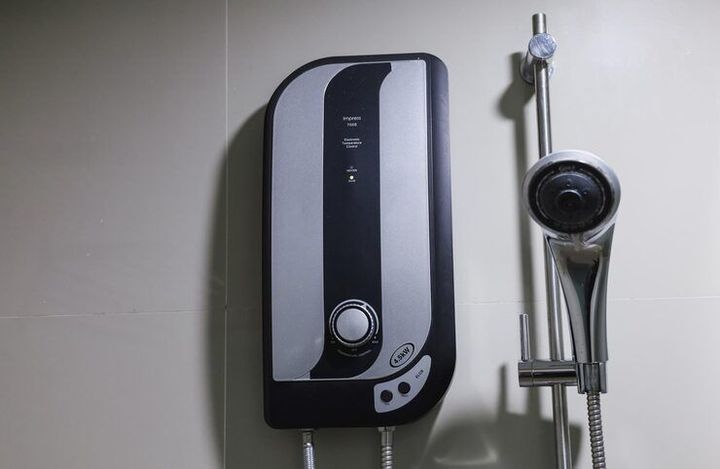
An instantaneous water heater does not normally maintain a large volume of heated water. Instead, it heats water as it passes through the heating chamber. This design can reduce the physical space needed for water storage, although the available hot-water flow depends on the unit's capacity and incoming water conditions.
Heat-pump water heaters work differently from conventional electric-resistance models. Rather than producing all the heat directly through an electrical heating element, they transfer heat from surrounding air into the water. The U.S. Department of Energy describes heat-pump water heaters as systems that move thermal energy from one temperature level to a higher level.
Importance
Hot water is part of everyday life in many homes, workplaces, educational facilities, hotels, and other buildings. A suitable water geyser can provide a consistent source of heated water while fitting the available space and energy infrastructure.
Selecting and operating a water heater also involves practical considerations. The wrong capacity can result in insufficient hot water, while an unsuitable installation location can make maintenance difficult or create safety concerns.
Choosing among different types
The appropriate type depends on several factors rather than one feature. Household size, water-use patterns, available energy sources, installation space, water pressure, and local regulations can all influence the selection.
| Water geyser type | Main characteristic | Suitable consideration |
|---|---|---|
| Storage | Holds heated water in a tank | Regular hot-water demand |
| Instantaneous | Heats water as it flows | Limited space or point-of-use applications |
| Heat pump | Transfers heat from surrounding air | Energy-conscious applications with suitable space |
| Solar-assisted | Uses solar heat with another heating source | Locations with suitable solar conditions |
Storage systems can provide a reserve of heated water, while instantaneous models generally avoid maintaining a large stored volume. Heat-pump systems can use less electricity than conventional electric-resistance systems under appropriate operating conditions, although their installation environment and operating characteristics differ.
Important features
Features vary between models, but common elements include thermostatic controls, insulation, temperature displays, safety valves, heating elements or burners, water connections, and protective controls.
Some modern systems also include electronic controls, timers, diagnostic indicators, remote monitoring, or multiple operating modes. These features can make temperature management and system monitoring easier, but they do not replace proper installation or routine inspection.
Recent Updates
Water-heating technology has continued to develop during 2024–2026, with increased attention toward energy efficiency, heat-pump technology, electronic controls, and improved measurement of appliance performance.
Heat-pump water heaters have received particular attention because they transfer heat instead of relying entirely on direct electrical resistance. The U.S. Department of Energy notes that heat-pump water heaters can provide substantially higher efficiency than conventional electric-resistance systems under suitable conditions.
Energy efficiency developments
Efficiency standards have also been updated in several markets. In 2024, the U.S. Department of Energy finalized amended energy-conservation standards for residential water heaters, with compliance requirements scheduled for later implementation. The changes included requirements affecting several water-heating categories and were intended to increase appliance efficiency.
These developments reflect a broader movement toward measuring how much energy appliances use during operation rather than considering only their heating capacity. Efficiency ratings and standardized test methods can help users compare equipment under defined conditions.
Smart controls and monitoring
Digital controls are becoming more common in modern water heaters. Depending on the model, users may be able to adjust temperature settings, select operating modes, monitor system conditions, or receive maintenance notifications.
However, digital features do not eliminate basic physical requirements. Water connections, electrical circuits, ventilation where applicable, pressure controls, and temperature protection still need to meet the manufacturer's instructions and relevant building requirements.
Laws or Policies
Water geyser installation is generally influenced by local building codes, plumbing requirements, electrical rules, fuel-safety regulations, appliance standards, and manufacturer instructions. The exact requirements differ between jurisdictions, so installation should follow the rules applicable to the building location.
Energy-efficiency regulations are another important part of water-heater policy. For example, the U.S. Department of Energy maintains federal standards for consumer water heaters and publishes information about applicable efficiency requirements and regulatory changes.
Installation requirements
Installation requirements may address the location of the appliance, electrical protection, water connections, drainage, ventilation, gas connections, structural support, and pressure relief equipment.
A temperature-and-pressure relief valve is an important safety component on applicable storage systems. Technical guidance from the U.S. Department of Energy describes the role of this valve in releasing excessive temperature or pressure and specifies that it should not be blocked or improperly modified.
Manufacturers also provide installation instructions for individual models. These instructions may specify pipe sizes, electrical requirements, clearances, mounting arrangements, water pressure limits, ventilation, and other technical conditions.
Temperature and scald protection
Water that is too hot can cause serious burns. The U.S. Consumer Product Safety Commission has advised that a residential water-heater setting around 120°F (49°C) can reduce the risk of tap-water scald injuries, although actual requirements and appropriate settings vary by application.
Higher storage temperatures may be used in certain institutional or specialized systems to address microbial risks, but these arrangements require appropriate temperature-control measures at points of use. The U.S. Department of Energy discusses the relationship between storage temperature, microbial growth, and scald protection in its technical guidance.
Tools and Resources
Several resources can help with water geyser planning, installation, operation, and maintenance. The most important source is the manufacturer's installation and operating manual because specifications differ between models.
Energy-efficiency databases and government appliance-standard websites can provide information about efficiency ratings and regulatory requirements. Building-code publications and local authority guidance can help identify requirements for plumbing, electrical connections, ventilation, and installation locations.
A basic water-heater assessment can consider:
- Household size and typical hot-water demand
- Available electrical or fuel connections
- Tank capacity or required flow rate
- Available installation space
- Water pressure and plumbing arrangement
- Temperature-control requirements
- Energy-efficiency information
- Drainage and pressure-relief arrangements
- Manufacturer installation instructions
Installation and safety checks
Professional installation may be appropriate when electrical wiring, gas connections, pressure systems, structural mounting, or other specialized work is involved. A qualified technician can verify whether the installation matches applicable requirements.
Users should also inspect visible connections periodically for leakage, unusual sounds, corrosion, damaged wiring, or other signs of malfunction. A leaking relief valve, damaged electrical component, gas odor, or abnormal overheating should not be ignored.
Important safety practices include:
- Do not block or remove pressure-relief equipment.
- Keep flammable materials away from equipment that can produce heat or ignition.
- Do not modify electrical or gas connections without appropriate expertise.
- Keep the area around the appliance accessible for inspection.
- Follow the manufacturer's temperature and maintenance instructions.
- Check hot-water temperature before bathing young children or people who may have difficulty sensing heat.
The Department of Energy also notes that flammable vapors and corrosive household products should be kept away from certain heat-pump water-heater installations.
FAQs
What are the main types of water geysers?
The main types include storage water heaters, instantaneous or tankless heaters, heat-pump water heaters, and solar-assisted systems. Their operation, installation requirements, capacity, and energy use differ.
How do I choose a water geyser for a household?
Consider household size, hot-water usage patterns, available energy sources, installation space, water pressure, required flow, and applicable regulations. Storage capacity alone does not determine whether a system will meet demand.
What are important water geyser installation requirements?
Installation requirements can include appropriate plumbing, electrical protection, pressure-relief equipment, ventilation for applicable fuel-burning systems, adequate drainage, and sufficient clearance. The manufacturer's installation instructions and local requirements should be followed.
What temperature should a water geyser be set to?
A commonly cited residential reference is around 120°F (49°C), because higher temperatures increase scald risk. The appropriate setting can vary according to the system, building use, health considerations, and applicable regulations.
What are important water geyser safety tips?
Keep the temperature within an appropriate range, maintain pressure-relief equipment, inspect for leaks or damaged connections, keep flammable materials away from applicable equipment, and follow the manufacturer's operating instructions.
Conclusion
A water geyser can use storage, instantaneous heating, heat-pump technology, or solar-assisted heating to provide hot water for different applications. Choosing an appropriate system involves considering water demand, energy source, available space, installation requirements, and temperature control. Recent developments have increased attention toward energy efficiency, heat-pump technology, and electronic monitoring. Safe operation depends on correct installation, functioning protective components, suitable temperature settings, and regular inspection.