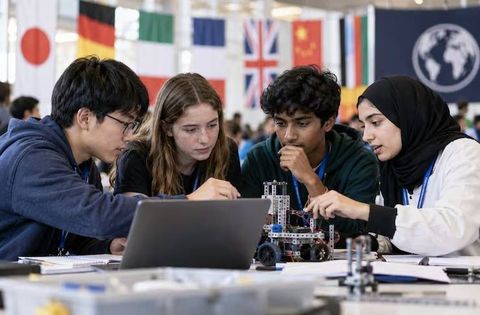
Robotics Study Abroad Information With University Selection and Application Tips
Robotics Study Abroad programs combine engineering, computer science, electronics, mathematics, artificial intelligence, and mechanical design. Students interested in this field may study how robots sense their surroundings, process information, move through physical spaces, and perform controlled tasks.
Robotics education can range from introductory undergraduate programs to specialized postgraduate research.
The development of robotics has grown from traditional mechanical engineering and automation into a multidisciplinary area. Modern robotics can involve autonomous systems, industrial robots, mobile machines, robotic vision, human-machine interaction, embedded systems, and artificial intelligence. Because these areas require knowledge from several disciplines, universities often structure robotics programs around multiple academic departments.
Robotics Study Abroad can involve several types of programs. A student may select a dedicated robotics degree, an engineering program with a robotics specialization, or a computer science or mechatronics program that includes robotics subjects. The appropriate academic route depends on the student's previous education and intended area of study.
University selection is an important part of the process. Students commonly compare curriculum structure, laboratory facilities, research areas, teaching methods, entry requirements, location, academic calendar, language requirements, and total educational expenses before preparing an application.
Common Robotics Study Areas
Robotics programs can cover many subjects, including:
- Robot mechanics and design
- Control systems
- Artificial intelligence
- Computer vision
- Machine learning
- Embedded systems
- Sensors and actuators
- Autonomous navigation
- Human-robot interaction
- Industrial automation
- Robotic programming
- Mechatronics
The balance between these subjects differs between universities. Some programs emphasize mechanical systems, while others focus more heavily on software, artificial intelligence, or autonomous machines.
Types of Robotics Programs
Students may encounter several academic formats when researching Robotics Study Abroad opportunities. Undergraduate programs generally provide foundational knowledge in mathematics, programming, electronics, mechanics, and engineering. Graduate programs can provide more specialized study in areas such as autonomous robotics, medical robotics, robotic perception, or intelligent machines.
Short academic programs, exchange semesters, research placements, and interdisciplinary programs can also provide exposure to robotics without following a complete robotics degree. Understanding the academic level and program structure helps students compare options accurately.
Importance
Robotics education matters because automated and intelligent machines are becoming part of manufacturing, logistics, agriculture, transportation, research, healthcare technology, and other technical environments. Students studying robotics need both theoretical understanding and practical experience to understand how complete robotic systems operate.
Studying in another country can expose students to different academic approaches, laboratory environments, research groups, and technical disciplines. It can also provide opportunities to work with classmates from different educational backgrounds and learn how robotics projects are developed in international academic settings.
University selection affects the subjects a student studies and the type of practical experience available. A university with strong control engineering may provide a different academic experience from one that emphasizes artificial intelligence and computer vision.
Factors That Affect University Selection
A structured comparison can make the research process easier. Important factors include:
- Curriculum: Check whether the program includes the robotics subjects that match the student's academic interests.
- Entry requirements: Review previous subject requirements, academic qualifications, language requirements, and any examination requirements.
- Laboratory facilities: Examine whether students receive practical exposure to robotics equipment, programming environments, sensors, control systems, or autonomous platforms.
- Research areas: Review faculty research topics when considering postgraduate education.
- Program duration: Compare the length of the degree, semester structure, and practical components.
- Location: Consider transportation, accommodation availability, climate, language environment, and proximity to academic facilities.
- Academic recognition: Check how the qualification is recognized within the intended educational or professional pathway.
Academic Preparation
Robotics applicants commonly benefit from preparation in mathematics, physics, programming, electronics, and mechanical concepts. The exact requirements vary according to the program.
A student moving from computer science may already have programming experience but need additional mechanical or electronics knowledge. An engineering student may have strong mathematics and mechanics preparation but need additional programming practice.
Recent Updates
Robotics education has increasingly incorporated artificial intelligence, machine learning, computer vision, autonomous navigation, digital twins, simulation, and human-robot interaction. Programs are also becoming more interdisciplinary because modern robotic systems often combine mechanical components with software, sensors, data processing, and intelligent control.
Another noticeable trend is the use of simulation and virtual development environments. Students can study robot behavior, test control strategies, and examine autonomous systems through software-based environments before working with physical equipment.
Changing Robotics Curriculum
Recent curriculum trends commonly include:
| Robotics Area | Typical Academic Focus | Practical Application |
|---|---|---|
| Artificial Intelligence | Machine learning and decision systems | Intelligent robots |
| Computer Vision | Image and sensor interpretation | Object recognition |
| Control Engineering | Robot movement and stability | Robotic arms |
| Autonomous Systems | Navigation and planning | Mobile robots |
| Mechatronics | Mechanical and electronic integration | Robotic machines |
| Embedded Systems | Hardware and software control | Robot controllers |
| Human-Robot Interaction | Communication and safe interaction | Collaborative robots |
| Simulation | Virtual testing and modeling | Robot development |
Sustainability is also becoming relevant to robotics education. Students may encounter research involving energy-efficient systems, automation for resource management, recycling technologies, agricultural robotics, and systems designed to reduce material waste.
Application Trends
University applications increasingly require students to present their academic background clearly. Depending on the program, applications may include transcripts, academic references, a statement of purpose, language evidence, project information, a portfolio, or research documentation.
For robotics programs, project experience can be particularly useful for demonstrating technical interests. A project involving a microcontroller, robot simulation, computer vision system, autonomous vehicle, robotic arm, or programming application can help explain the applicant's academic direction.
Laws or Policies
Study abroad applications are affected by both university admission policies and immigration rules in the destination country. These requirements differ between countries and can also vary according to the academic level, nationality, program duration, and institution.
Students generally need to review the applicable student immigration category, passport requirements, financial documentation rules, health or insurance requirements where applicable, and restrictions associated with international students. Universities may also have separate policies covering enrollment, academic progression, attendance, examinations, and laboratory safety.
Academic and Immigration Requirements
Common requirements may include:
- A valid passport or accepted travel document
- Academic transcripts
- Previous qualification certificates
- Language proficiency evidence where required
- Admission documentation
- Financial documentation where required by immigration authorities
- Student immigration documentation
- Accommodation information where required
- Health or insurance documentation where applicable
Robotics laboratories may also have specific safety policies. Students working with industrial robots, electrical systems, mechanical equipment, lasers, autonomous machines, or high-powered components may need safety training before using particular facilities.
Because policies can change, students should examine the current requirements published by the relevant university and immigration authority when preparing an application.
Tools and Resources
Several tools can simplify the Robotics Study Abroad research process. University program databases can help students compare academic courses, entry requirements, program duration, and application procedures.
University ranking databases can provide general comparative information, but students should examine the actual curriculum and research areas rather than relying on a single ranking measure. Course catalogs and departmental pages can provide more detailed information about subjects, laboratories, faculty research, and academic structures.
Useful Planning Resources
Students may organize their research with:
- University comparison spreadsheets
- Application requirement checklists
- Academic transcript records
- Language preparation materials
- Statement of purpose templates
- Scholarship research databases
- Student immigration information portals
- Academic calendar tools
- Currency conversion calculators
- Budget planning spreadsheets
- Robotics programming and simulation platforms
A comparison spreadsheet can include university name, program title, degree level, duration, entry requirements, robotics subjects, application deadline, language requirements, documentation, and estimated educational expenses.
Application Preparation
A clear application process can be divided into several stages. First, students can identify programs that match their academic background. Next, they can compare requirements and create a document checklist.
The next stage involves preparing transcripts, language documentation, academic statements, references, portfolios, and other required materials. Students should check whether documents require specific formats, translations, certifications, or submission procedures.
For postgraduate Robotics Study Abroad applications, research interests can be especially important. A statement can explain the student's academic background, robotics interests, previous projects, and intended area of study without making unsupported claims.
FAQs
What is Robotics Study Abroad?
Robotics Study Abroad refers to studying robotics or a related discipline at an educational institution in another country. Programs may focus on engineering, artificial intelligence, automation, computer science, mechatronics, or autonomous systems.
How should I approach university selection for robotics?
University selection can involve comparing curriculum, entry requirements, laboratory facilities, research areas, program duration, academic structure, location, and language requirements. The appropriate choice depends on the student's academic background and study objectives.
What qualifications are needed for Robotics Study Abroad?
Requirements vary by program. Undergraduate programs may require secondary education with mathematics or science subjects, while postgraduate programs commonly require a relevant undergraduate qualification. Some programs may also require programming knowledge or language proficiency.
What documents are commonly required for a robotics application?
Typical documents can include academic transcripts, qualification certificates, identification documents, language evidence, references, a statement of purpose, and project or research information where applicable. Exact requirements are determined by the institution and program.
What application tips are useful for robotics students?
Application tips include checking requirements early, organizing documents, reviewing the curriculum carefully, explaining relevant technical projects, following document formatting rules, and verifying application deadlines and procedures.
Conclusion
Robotics Study Abroad provides an academic pathway for students interested in intelligent machines, automation, engineering, programming, and related technologies. University selection requires attention to curriculum, practical facilities, research areas, entry requirements, and academic structure. Recent robotics education trends increasingly connect artificial intelligence, autonomous systems, simulation, computer vision, and interdisciplinary engineering. Application requirements and student immigration policies vary by destination and institution, so accurate preparation depends on reviewing current official requirements.