Ski Travel Destinations Tips for Choosing Snowy Mountains, Slopes, and Winter Trails
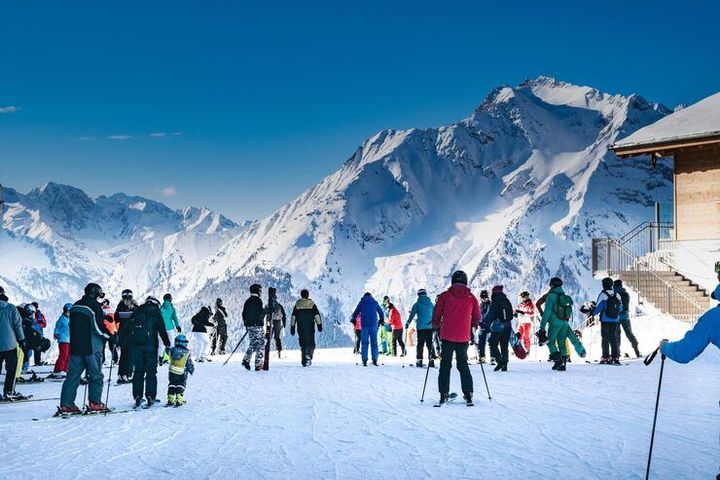
Ski travel destinations are mountain regions where visitors can participate in downhill skiing, snowboarding, cross-country skiing, winter hiking, and other cold-weather activities. These destinations developed around mountainous landscapes with suitable snow conditions, transportation infrastructure, accommodation, and designated recreational areas.
Today, ski travel combines outdoor recreation with winter tourism, local culture, scenic landscapes, and seasonal travel planning.
Ski destinations can be found across mountain ranges in Europe, North America, Asia, South America, and other regions with suitable winter conditions. The length and reliability of a snow season vary according to elevation, latitude, weather patterns, and local geography.
A ski destination generally includes one or more ski areas with marked trails, lifts, mountain access routes, safety facilities, equipment areas, and visitor infrastructure. Some locations focus primarily on downhill skiing, while others provide extensive networks for cross-country skiing and winter walking.
Choosing a destination involves more than looking at photographs of snowy mountains. Travelers may need to consider elevation, terrain difficulty, snowfall patterns, transportation, weather, accommodation location, trail access, equipment requirements, and the experience level of everyone in the group.
Types of Ski Travel Destinations
Mountain destinations can provide different types of winter recreation. Downhill ski areas typically use chairlifts, gondolas, surface lifts, and marked runs to move visitors between different elevations.
Cross-country destinations generally have groomed trails through forests, valleys, plateaus, or open mountain landscapes. Some regions also provide designated routes for snowshoeing and winter hiking.
A destination may therefore be categorized according to its primary landscape and activities:
Alpine ski areas with downhill slopes
Cross-country trail networks
Family-oriented winter recreation areas
High-altitude mountain destinations
Forest-based winter trail regions
Glacier or extended-season ski areas
Mixed winter recreation destinations
The appropriate environment depends on the activities, skill levels, season, and physical requirements of the travelers.
Importance
Ski travel planning matters because winter mountain conditions can change quickly. Snowfall, temperature, visibility, wind, and trail conditions can influence which activities are available on a particular day.
Travelers also need to consider their own experience. A beginner skier may require gentle terrain and instruction areas, while experienced skiers may look for more challenging slopes or specialized terrain.
Factors That Affect Destination Choice
Several factors can help travelers understand differences between ski travel destinations:
Snow reliability and seasonal conditions
Mountain elevation
Trail and slope variety
Beginner and intermediate terrain
Advanced terrain
Lift and transportation arrangements
Distance from airports or rail stations
Accommodation location
Winter weather patterns
Equipment requirements
Local transportation
Non-ski activities
Snow conditions can vary significantly even within the same mountain region. Higher elevations may retain snow longer, while lower areas can experience changing temperatures and precipitation.
Ski Slopes and Skill Levels
Ski areas generally classify slopes by difficulty, although the exact symbols and meanings vary by country and operator. Travelers should understand that trail-color systems are not globally identical.
Beginner terrain is generally designed around gentler gradients and controlled environments. Intermediate terrain can involve steeper slopes and more varied conditions. Advanced terrain may include greater gradients, narrower routes, variable snow, and other technical challenges.
Visitors should use the classification system provided by the particular ski area rather than assuming that a familiar color means exactly the same level everywhere.
Winter Trails
Winter trails can provide alternatives to downhill skiing. Cross-country skiing involves traveling across relatively flatter or rolling terrain, while snowshoeing allows people to walk over snow using specialized equipment.
Winter hiking routes may range from maintained paths near populated areas to more remote mountain routes. Weather, daylight hours, avalanche conditions, and route markings can become important factors in more exposed environments.
Mountain Weather
Mountain weather can differ considerably from conditions at lower elevations. Temperature generally decreases with elevation, while wind exposure can create additional cooling.
Visibility can change rapidly because of snowfall, cloud, fog, or wind. Travelers should check local weather and mountain-condition information before participating in outdoor activities and should understand any closures or warnings issued by local authorities.
Recent Updates
From 2024 through 2026, ski travel has continued to adapt to changing snow patterns, digital planning tools, updated mountain infrastructure, and increased attention to environmental management. Snow conditions can vary from season to season, making current weather and operational information particularly relevant to winter travel planning.
Changing Snow Conditions
Many ski regions are paying greater attention to seasonal variability and snow management. Snowmaking systems are used at numerous ski areas to supplement natural snowfall when temperatures are suitable.
Snowmaking does not eliminate the effects of warm temperatures or changing weather. Its usefulness depends on temperature, humidity, water availability, terrain, and operating conditions.
Digital Mountain Information
Digital platforms increasingly provide information about trail status, lift operations, weather, snowfall measurements, webcams, and mountain conditions. Mobile applications can also provide maps and navigation information.
Travelers can use these tools to check current conditions shortly before participating in an activity. Historical snowfall information can provide context, but it cannot predict the exact conditions during a future trip.
Sustainable Mountain Tourism
Ski destinations are also paying greater attention to energy consumption, water management, transportation, waste reduction, and ecosystem protection. Mountain regions can face environmental pressures from infrastructure development, transportation, seasonal demand, and changing climate conditions.
Some destinations are investing in public transportation, energy-efficient facilities, renewable energy, water management, and landscape restoration. The specific programs vary significantly between regions.
Expanded Winter Activities
Winter destinations increasingly provide activities beyond traditional downhill skiing. Depending on the location, visitors may find snowshoe trails, cross-country skiing, winter walking, sledding, ice activities, scenic mountain transportation, and cultural events.
This broader range of activities allows travelers to build itineraries that do not depend entirely on downhill skiing conditions.
Laws or Policies
Ski travel destinations are shaped by local tourism rules, mountain safety regulations, environmental policies, transportation requirements, and land-management systems. The specific rules depend on the country and the individual mountain area.
Mountain Safety Rules
Ski areas generally establish rules covering slope behavior, lift use, designated routes, speed management, and interactions with other visitors. Some areas use internationally recognized principles of conduct while also applying local regulations.
Visitors may be required to follow marked boundaries and closure signs. Entering closed terrain can create risks because ski patrol teams may not be monitoring those areas or because hazards may not be controlled.
Avalanche and Weather Controls
Mountain authorities may issue avalanche warnings, weather alerts, route closures, or access restrictions when conditions become hazardous. These measures can change during the day as weather and snow conditions develop.
Backcountry areas can have different rules from managed ski slopes. Travelers entering unmarked or ungroomed terrain may need additional knowledge, equipment, and preparation.
Environmental Policies
Mountain destinations can be subject to rules protecting forests, wildlife habitats, water resources, and protected landscapes. Certain areas may restrict access to sensitive environments or limit specific activities.
Visitors may also encounter local requirements concerning waste disposal, transportation, camping, fires, and wildlife interaction.
Tools and Resources
Several tools can help travelers plan ski trips. Snow and weather applications can provide information about snowfall, temperature, wind, visibility, and precipitation. Digital mountain maps can help users understand trail networks and elevation changes.
Travel planning platforms can help organize transportation, accommodation, equipment arrangements, activity schedules, and local transfers.
Useful planning resources include:
Snow forecasts
Mountain weather applications
Trail and slope maps
Lift-status dashboards
Mountain webcams
Avalanche information systems
Elevation maps
Travel itinerary planners
Packing checklists
Winter driving information
Public transportation planners
Currency and unit calculators
A simple comparison of destination characteristics can help structure the planning process:
| Destination Factor | What to Examine | Why It Matters |
|---|---|---|
| Elevation | Base and upper mountain levels | Influences temperature and snow conditions |
| Snowfall | Seasonal and current measurements | Provides context for winter conditions |
| Terrain | Beginner, intermediate, advanced areas | Helps match activities with experience |
| Trails | Downhill and cross-country routes | Determines available recreation |
| Access | Roads, rail, airports, transfers | Influences travel time |
| Weather | Temperature, wind, visibility | Affects outdoor conditions |
| Facilities | Lifts, warming areas, rentals | Supports mountain activities |
| Local Transport | Buses, shuttles, rail | Helps with movement around the area |
Equipment Planning
Ski equipment varies according to activity and experience. Downhill skiing generally requires skis, boots, poles, appropriate clothing, and protective equipment. Snowboarding uses a board and specialized boots, while cross-country skiing requires different skis and footwear.
Helmets are commonly used for downhill skiing and snowboarding. Additional equipment may be appropriate for specific environments, particularly when traveling beyond controlled ski areas.
Equipment requirements should also account for weather conditions. Layered clothing, gloves, eye protection, waterproof outer layers, and suitable footwear can be important during winter travel.
FAQs
How do I choose ski travel destinations?
Consider snow conditions, mountain elevation, terrain difficulty, winter trails, transportation, accommodation location, weather patterns, and available activities. The destination should match the group's experience and planned activities.
What makes a good snowy mountain destination for beginners?
Beginner-friendly destinations generally have designated gentle slopes, learning areas, suitable lift access, and clearly marked routes. Travelers should review the individual mountain's trail classifications because difficulty systems vary.
Are winter trails available at ski travel destinations?
Many ski regions have winter trails for cross-country skiing, snowshoeing, hiking, or other activities. Trail availability depends on snow conditions, terrain, weather, maintenance, and local access rules.
When is the ski season?
The ski season varies by location and elevation. Higher mountain areas may have longer periods of suitable snow, while lower areas can have more variable conditions. Current seasonal information should be checked for the particular destination.
What should travelers check before skiing in snowy mountains?
Travelers should check current weather, snow conditions, lift and trail status, local safety notices, avalanche information where relevant, transportation conditions, and any mountain access restrictions.
Conclusion
Ski travel destinations combine snowy mountains, marked slopes, winter trails, transportation systems, and seasonal recreation opportunities. Choosing a destination involves considering snow conditions, elevation, terrain difficulty, weather, access, equipment, and the range of activities available. Recent developments include expanded digital mountain information, changing snow-management practices, environmental planning, and broader winter recreation options. Local safety rules, environmental policies, and mountain-condition notices remain important parts of responsible winter travel.