Smart Glass Installation: A Guide to Privacy, Design, and Usage
Smart glass, often known for its privacy-enhancing features and modern aesthetic, is a unique and versatile material used in numerous applications ranging from residential to commercial buildings. Whether you're considering an upgrade to your home or looking to enhance the functionality of office spaces, understanding the nuances of smart glass installation can provide valuable insight. This guide offers an educational perspective on its installation, and explores considerations related to privacy, design, and usage.
When planning for smart glass installation, it is essential to first consider its core functionality. Smart glass allows for the control of light and heat passing through, which can significantly affect the ambience and energy efficiency of a space. The basic mechanism of smart glass involves the use of technologies like electrochromic, photochromic, or polymer dispersed liquid crystal (PDLC) to achieve its transformative effects. Each technology operates differently; for example, electrochromic glass changes its tint electronically, while PDLC glass utilizes liquid crystal within polymer layers to switch from opaque to clear states when electricity is applied.
In terms of installation, the process generally requires professional expertise due to the sophisticated nature of smart glass technology. The installation steps for smart glass windows, though comparable to that of traditional glazing, involve additional considerations such as electrical connectivity for activating the smart features. It is crucial to ensure proper alignment and sealing to prevent issues like leaking or poor insulation. Furthermore, integrating smart glass into an existing structure may necessitate modifications to accommodate wiring or control systems essential for its operation.
A major factor in deciding on smart glass installation is privacy management. Smart glass can provide on-demand privacy, making it suitable for spaces like conference rooms, bathrooms, or even storefronts in busy areas. The ability to switch between transparent and opaque states offers dynamic control over visibility, which can enhance personal or professional environments without the need for traditional window coverings like blinds or curtains. Delving into its privacy aspects, users should assess the level of opacity required and consider how it complements the other privacy solutions already in place.
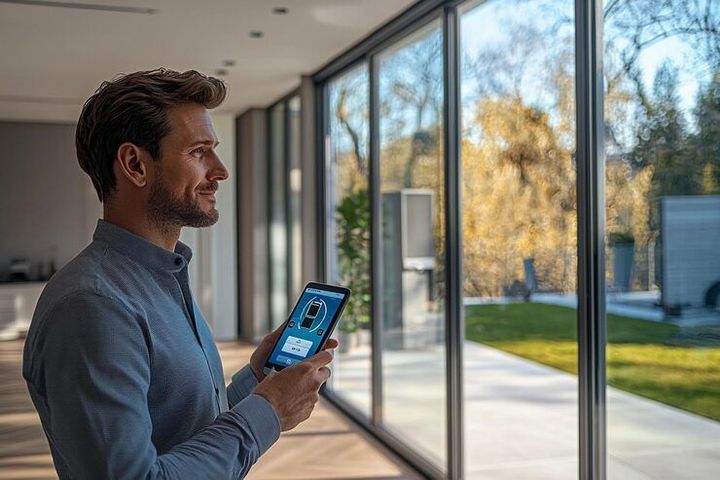
Design considerations are equally essential when planning for the installation of smart glass. Its sleek and modern appearance can contribute to a minimalist design ethos, thus influencing the overall aesthetic of a building. The adaptability of smart glass to various design contexts—whether it’s complementing steel and glass high-rise buildings or providing a futuristic look to residential designs—offers considerable flexibility. Users might consider factors like frame material, glass size, and tint choices when incorporating smart glass into their design plans. Additionally, integrating smart glass with smart home systems can enhance its usability, allowing seamless control over the glass alongside other home automation features.
In terms of usage, smart glass not only offers aesthetic and privacy benefits but also provides energy efficiency advantages. By controlling the amount of heat and light that enters a space, smart glass contributes to maintaining a stable indoor climate, potentially reducing heating and cooling costs. The role of smart glass in sustainable architecture has become increasingly significant, standing as a viable option for reducing a building’s carbon footprint. Users are advised to assess their energy needs and consult with professionals to fully understand how smart glass can meet their requirements while conforming to local energy codes and regulations.
In conclusion, with the increasing demand for innovative architectural solutions, smart glass presents a blend of privacy, design, and energy efficiency. Given its technical complexities, it is recommended to consult with experienced professionals throughout the installation process to ensure a seamless integration into any space. Ultimately, smart glass has the potential to transform environments, making them more adaptable and energy-efficient, while also providing enhanced privacy controls. By carefully considering its installation intricacies and related aspects of privacy, design, and usage, users can maximize the benefits this advanced material has to offer.