Smart Home Robots Explained: Types, Features, Functions, Benefits and Everyday Applications
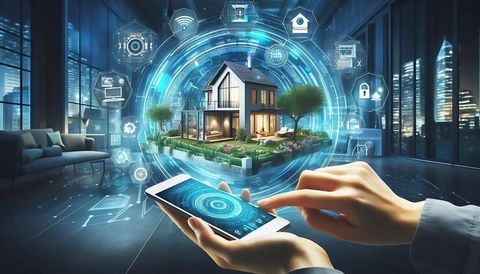
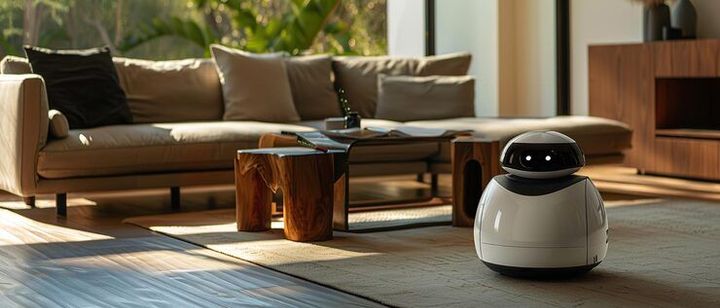
Smart home robots are automated devices designed to perform household tasks, assist residents, and interact with connected home systems. Smart home robots explained in simple terms are machines that use sensors, software, and sometimes artificial intelligence (AI) to understand their surroundings and carry out specific activities with limited human intervention. Their development builds on earlier household appliances, industrial robotics, and computer-controlled systems.
Context
Smart home robots are automated devices designed to perform household tasks, assist residents, and interact with connected home systems. Smart home robots explained in simple terms are machines that use sensors, software, and sometimes artificial intelligence (AI) to understand their surroundings and carry out specific activities with limited human intervention. Their development builds on earlier household appliances, industrial robotics, and computer-controlled systems.
Early domestic robots mainly focused on repetitive activities, such as vacuuming floors. Advances in sensors, wireless connectivity, cameras, navigation systems, and machine learning have expanded their functions. Modern devices may clean floors, monitor selected home conditions, assist with lawn maintenance, or provide remote visual access to certain areas of a property.
Understanding Smart Home Robot Technology
A smart home robot combines mechanical components with electronic controls and software. Sensors help the device detect obstacles, walls, furniture, or changes in its surroundings. Depending on its design, it may use cameras, infrared sensors, laser-based mapping, or other technologies to navigate.
Connectivity allows some robots to communicate with mobile applications, smart speakers, and home automation platforms. However, not every robot needs an internet connection to perform its main task. The available functions depend on its hardware, software, and compatibility with other devices.
Importance
Smart home robots matter because household activities require time, attention, and physical effort. Automated cleaning, lawn maintenance, and selected monitoring tasks can help people manage daily routines more conveniently. Their potential uses vary according to household size, property layout, physical accessibility, and individual preferences.
These devices may be particularly relevant to busy households, older adults, people with mobility limitations, and individuals managing larger living spaces. Nevertheless, a household robot does not replace every form of human assistance. Many devices perform only a narrow set of tasks and require supervision, maintenance, or help when an obstacle prevents them from operating normally.
Everyday Problems Addressed by Home Robots
Smart home robots can support several common household activities:
Routine cleaning: Robotic vacuum cleaners and floor-mopping robots handle designated floor areas according to programmed settings.
Outdoor maintenance: Robotic lawn mowers maintain suitable lawns within configured operating boundaries.
Home observation: Some mobile robots provide remote video access or allow residents to inspect particular indoor areas.
Household automation: Compatible robots can work with schedules, sensors, and smart home controls to coordinate selected activities.
Accessibility support: Automated devices may reduce the physical effort required for certain repetitive tasks, although their usefulness depends on the user's needs.
The practical value of a robot depends on the task it performs and the environment in which it operates. Stairs, loose cables, narrow passages, uneven floors, pets, and clutter can limit performance or create safety concerns.
Types of Smart Home Robots
Smart home robots differ in their design, operating environment, and intended purpose.
| Robot type | Main function | Important consideration |
|---|---|---|
| Robotic vacuum | Collects dust and debris from floors | Floor type and obstacle detection |
| Robot mop | Cleans suitable hard floors | Water handling and floor compatibility |
| Hybrid cleaning robot | Combines vacuuming and mopping functions | Maintenance and cleaning configuration |
| Robotic lawn mower | Cuts grass within a defined area | Boundary setup and outdoor conditions |
| Mobile home-monitoring robot | Provides remote visual observation | Camera privacy and network security |
| Social or companion robot | Supports interaction and selected reminders | Limited capabilities and data handling |
| Pool-cleaning robot | Removes debris from suitable pool surfaces | Pool design and maintenance requirements |
These categories are not interchangeable. A device designed for outdoor lawn maintenance, for example, is not intended to navigate indoor rooms or clean household furniture.
Recent Updates
Developments in smart home robotics from 2024 through 2026 have generally focused on improved navigation, more capable obstacle detection, software-based automation, and integration with connected home devices. Manufacturers have also explored AI features that help some robots recognize objects, interpret selected commands, or adapt cleaning routines. The availability and reliability of these capabilities vary between models.
Artificial Intelligence and Navigation
Traditional household robots often rely on programmed routes, basic sensors, or predefined movement patterns. Newer systems may combine mapping, computer vision, and machine learning to identify obstacles and make navigation decisions. Some devices can distinguish between selected objects, although recognition accuracy depends on lighting, object placement, software, and sensor quality.
AI can also help interpret voice commands or coordinate tasks through compatible applications. However, a robot described as AI-enabled may still have limited understanding of unfamiliar situations. It is important to distinguish automated navigation and object recognition from general human-like reasoning.
Connected Homes and Automation
Smart home platforms allow compatible devices to interact through shared controls, schedules, and automation routines. For example, a cleaning robot might begin a scheduled task when residents leave home, provided that the required permissions, settings, and device connections are configured.
Interoperability remains an important consideration. Devices may support different wireless standards, applications, or ecosystems, so compatibility should be verified before building an automation routine. Software updates can also change available features, permissions, or device behavior.
Battery Efficiency and Maintenance
Battery management, docking stations, automatic charging, and improved route planning can help some robots complete routine tasks with less manual involvement. Certain cleaning models also include docking stations that empty collected debris or manage other maintenance functions.
These features do not eliminate maintenance requirements. Brushes, filters, sensors, wheels, water containers, and batteries may need periodic attention. Performance also depends on floor conditions, room layout, battery condition, and the amount of debris encountered.
Laws or Policies
Smart home robots may be affected by electrical safety requirements, radio communication rules, product standards, privacy laws, and consumer protection regulations. The relevant requirements depend on the device's features and the country where it is manufactured, imported, or used.
Smart Home Robot Rules in India
In India, applicable product requirements may include electrical safety standards, electromagnetic compatibility requirements, and regulations covering wireless communication equipment. Certain electronic products may fall within the scope of Bureau of Indian Standards requirements or other applicable conformity procedures. Whether a specific robot requires certification or registration depends on its product category and the rules in force.
Consumers can consult the Bureau of Indian Standards website and relevant government departments for current product requirements. Imported devices may also be subject to applicable customs, import, and electronic equipment regulations.
Privacy and Data Protection
Smart home robots that use cameras, microphones, mapping systems, or cloud-connected applications may collect information about a household. Depending on their design and settings, this information could include room layouts, video, voice commands, device identifiers, or usage records.
India's Digital Personal Data Protection Act, 2023, and related rules and commencement arrangements form part of the country's evolving data-protection framework. The requirements applicable to a particular device or data-processing activity depend on the law in force and the circumstances.
Practical privacy measures include reviewing application permissions, using strong account passwords, updating device software, and checking whether recordings or maps are stored locally or remotely. Camera and microphone functions should be configured according to household privacy needs.
Tools and Resources
Several tools can help households evaluate smart home robots, understand compatibility, and manage their operation. Product manuals and official documentation are particularly useful because technical specifications and available functions differ between models.
Robot Applications and Smart Home Platforms
Manufacturer applications may provide cleaning schedules, room maps, maintenance alerts, operating modes, and device status information. Some platforms also support voice assistants or connected home automation systems.
Smart home ecosystems such as Google Home and Apple Home can help manage compatible devices and routines. Support varies by product, platform, region, and software version, so compatibility should be checked before setup.
Comparison and Maintenance Tools
A comparison spreadsheet can help organize robot specifications, including:
Supported floor types and operating environments.
Battery runtime and charging arrangements.
Navigation technology and obstacle detection.
Dust collection, water handling, and maintenance needs.
Wireless compatibility, privacy controls, and software support.
Dimensions, noise information, and replacement-part availability.
Manufacturer support pages, product manuals, and relevant safety documentation can clarify operating limits. Independent testing publications may also provide information about cleaning performance, navigation, noise, and battery behavior under specified conditions.
Household Setup Checklist
Before operating a smart home robot, residents can identify obstacles, secure loose cables, protect stairs where necessary, and confirm that the device is suitable for the intended surfaces. Outdoor robots may require specific boundary arrangements and weather precautions.
Account security and maintenance are equally important. Regularly checking sensors, brushes, filters, wheels, charging contacts, and software updates can help keep the device functioning according to its design.
FAQs
What are smart home robots and how do they work?
Smart home robots are automated machines that perform specific household tasks using sensors, software, and mechanical components. Depending on the model, they may use mapping, cameras, programmed routes, or AI-based object recognition to navigate and complete activities.
What are the main types of smart home robots?
Common types include robotic vacuum cleaners, floor mops, hybrid cleaning robots, lawn mowers, pool cleaners, mobile monitoring robots, and companion robots. Each category is designed for particular tasks and operating environments.
What features should be considered in a smart home robot?
Important features include navigation accuracy, obstacle detection, battery performance, scheduling, maintenance requirements, privacy controls, and compatibility with existing smart home devices. The relevance of each feature depends on the household and intended use.
Are smart home robots safe to use around children and pets?
Many household robots are designed with obstacle sensors and safety controls, but they can still present risks involving moving parts, water, charging equipment, or unexpected movement. Manufacturer instructions and appropriate supervision remain important, particularly around young children and animals.
Do smart home robots need an internet connection?
Not always. Some robots can perform basic cleaning or navigation offline, while remote control, cloud processing, voice assistants, and certain smart home integrations may require an internet connection. Available offline functions vary by model.
Conclusion
Smart home robots use sensors, software, and automation to support household cleaning, outdoor maintenance, monitoring, and selected daily activities. Advances in navigation, AI, and connected home platforms are expanding their capabilities, although performance varies across devices and environments. Safety, compatibility, maintenance, and privacy are important considerations when understanding their everyday applications. Their practical role depends on the specific tasks they are designed to perform and the conditions of the household.