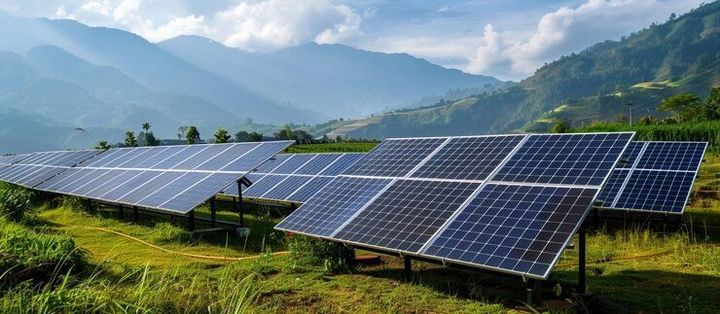
Solar Energy Guide: Panels, Inverters, Batteries, Installation and System Components
A Solar Energy Guide explains how sunlight is converted into electricity using solar panels, inverters, batteries, and other system components. Solar energy comes from the Sun and has been studied for generations, with photovoltaic technology developing into a practical way to generate electricity for homes, businesses, farms, and public facilities. Modern solar power systems can operate independently, connect to an electricity grid, or combine both approaches.
Context
A Solar Energy Guide explains how sunlight is converted into electricity using solar panels, inverters, batteries, and other system components. Solar energy comes from the Sun and has been studied for generations, with photovoltaic technology developing into a practical way to generate electricity for homes, businesses, farms, and public facilities. Modern solar power systems can operate independently, connect to an electricity grid, or combine both approaches.
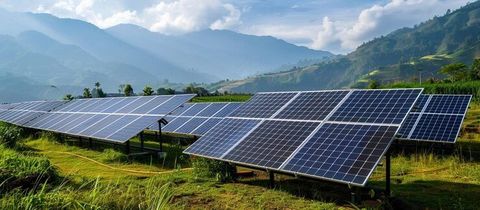
A typical solar energy system includes panels that capture sunlight, an inverter that converts the electricity into a usable form, mounting equipment, electrical wiring, and protective devices. Some installations also include batteries to store electricity for later use. The exact arrangement depends on the property's electricity requirements, available space, local sunlight conditions, and connection to the power grid.
How Solar Energy Systems Work
Solar panels contain photovoltaic cells, usually made from semiconductor materials. When sunlight reaches these cells, it creates an electrical current. The electricity produced by the panels is direct current (DC), while most household appliances use alternating current (AC).
An inverter converts DC electricity into AC electricity for household use or grid connection. Depending on the system design, electricity may supply appliances immediately, charge a battery, or flow to the grid under applicable connection arrangements.
Main Solar System Components
Solar installations contain several components that work together:
Solar panels: Capture sunlight and convert it into electrical energy.
Inverter: Converts DC electricity into AC electricity and manages electrical output according to its design.
Battery: Stores electricity for later use, subject to its capacity and operating limits.
Mounting structure: Secures panels to a roof, ground frame, or another suitable surface.
Wiring and connectors: Carry electricity between panels, inverters, batteries, and the electrical distribution system.
Protection equipment: Includes suitable isolators, circuit breakers, earthing arrangements, and surge protection where required.
Monitoring equipment: Displays information about electricity generation, consumption, and system performance.
The components must be compatible with one another. Electrical ratings, environmental conditions, installation requirements, and applicable standards influence how the system is designed.
Importance
Solar energy matters because electricity is needed for lighting, refrigeration, communication, heating, cooling, manufacturing, and many other everyday activities. Solar panels can generate electricity close to where it is consumed, potentially reducing the amount drawn from the grid when generation and demand occur at the same time.
Solar power also contributes to the wider shift toward electricity generation with lower operational greenhouse gas emissions than conventional fossil-fuel-based generation. Its overall environmental impact still depends on equipment manufacturing, transportation, installation, maintenance, and end-of-life management.
Benefits and Practical Challenges
Solar energy can help households and organizations diversify their electricity sources. However, actual output varies with sunlight, panel orientation, shading, temperature, dust, and equipment condition.
Important considerations include:
Weather dependence: Panels generally generate more electricity in strong sunlight and less during cloudy conditions.
Available space: Roof size, structural condition, shading, and orientation influence installation capacity.
Timing of demand: Solar generation often peaks during daylight, while some households use more electricity after sunset.
Storage requirements: Batteries can shift some electricity use to later hours but have capacity limits and conversion losses.
Maintenance: Dust, damaged wiring, inverter faults, and other problems can affect performance.
Grid availability: A grid-connected system may shut down during an outage unless it has suitable backup equipment and an approved operating arrangement.
These factors are important when estimating system size and deciding whether battery storage is necessary.
Comparing Solar Energy System Types
| System type | Main characteristics | Important consideration |
|---|---|---|
| Grid-connected | Works alongside the public electricity grid | Export rules and outage behavior |
| Off-grid | Operates without a public grid connection | Battery capacity and backup generation |
| Hybrid | Combines grid connection with battery capability | Control settings and equipment compatibility |
| Solar with battery storage | Stores some generated electricity for later use | Usable capacity and charging limits |
| Solar without a battery | Uses generation directly and may export excess electricity | Availability of grid power after sunset |
These categories can overlap. A hybrid system, for example, may use panels, a battery, and a grid connection, while its backup capability depends on the inverter and electrical configuration.
Recent Updates
Solar technology and installation practices continue to develop, with recent trends emphasizing improved panel efficiency, more flexible system design, digital monitoring, and the integration of battery storage. From 2024 through 2026, the wider industry has continued to explore higher-output photovoltaic modules, alternative cell designs, and improved energy management systems. Availability and adoption vary by market and manufacturer.
Developments in Solar Panels and Inverters
Many modern solar panels use monocrystalline silicon cells. Technologies such as passivated emitter and rear cell (PERC), tunnel oxide passivated contact (TOPCon), and heterojunction designs use different methods to improve the conversion of sunlight into electricity. Their performance depends on cell design, manufacturing quality, operating temperature, and installation conditions.
Inverters have also developed beyond basic DC-to-AC conversion. Some models provide detailed monitoring, support battery integration, and help manage electricity export. Microinverters and power optimizers can provide more panel-level monitoring or control, although their suitability depends on roof layout, shading, equipment compatibility, and system design.
Battery Storage and Smart Energy Management
Lithium-based batteries are widely used in many modern solar storage systems, while other battery chemistries remain available for particular applications. Battery selection depends on usable capacity, power output, operating temperature, expected usage, safety features, and the manufacturer's technical specifications.
Smart monitoring tools can help users compare solar generation with household consumption. Some systems can schedule battery charging, manage selected electrical loads, or respond to changing electricity tariffs where the required equipment and utility arrangements are available.
Laws or Policies
Solar energy installations are influenced by electrical safety standards, building requirements, grid-connection procedures, electricity regulations, and government policies. In India, requirements can differ by state, distribution company, installation type, and whether the system is residential, commercial, or off-grid.
Solar Policies and Government Programmes in India
India's national solar initiatives include the PM Surya Ghar: Muft Bijli Yojana, which supports eligible residential rooftop solar installations under its applicable guidelines. Eligibility, approved equipment requirements, subsidy amounts, application procedures, and installation conditions should be checked through official government channels because programme rules may change.
The Ministry of New and Renewable Energy (MNRE) publishes information on national renewable energy programmes, technical requirements, and relevant implementation arrangements. State authorities and local electricity distribution companies may also publish procedures for grid connection, net metering, commissioning, and equipment approval.
Grid Connection and Electrical Safety
Grid-connected solar systems must follow the applicable technical and administrative requirements. Depending on the installation, these may include application approval, inverter protection settings, inspection, metering arrangements, and permission before electricity is exported to the grid.
Electrical safety is important because solar panels can produce electricity whenever they receive sufficient light. Installation work should account for appropriate wiring, earthing, overcurrent protection, isolation, and fire safety. Battery systems also require suitable placement, ventilation or thermal management where specified, and protection against electrical or environmental hazards.
Net metering rules determine how eligible electricity exports and imports are measured and accounted for. The availability and treatment of exported electricity depend on the applicable state regulations and distribution company's procedures. Government programmes and technical requirements should be verified using current official documentation rather than relying solely on installer summaries.
Tools and Resources
Solar calculators, technical datasheets, mapping tools, and government websites can help explain system requirements and estimate potential electricity generation. Their results depend on the accuracy of the information entered and the assumptions used.
Solar Calculators and Planning Tools
The Global Solar Atlas provides solar resource maps and related information for examining solar potential across different locations. The National Renewable Energy Laboratory's PVWatts Calculator can estimate photovoltaic system output using location and system assumptions, although its results should not be treated as a guarantee of actual generation.
For Indian installations, the MNRE website and the official PM Surya Ghar portal provide programme information and relevant application guidance. Local electricity distribution company websites can explain grid-connection procedures, metering arrangements, and applicable technical requirements.
System Sizing and Equipment Checks
A basic solar planning worksheet can record:
Daily electricity consumption in kilowatt-hours (kWh).
Available roof or ground area and potential shading.
Panel capacity and estimated daily generation.
Inverter rated power and compatibility.
Battery usable capacity and power output, if applicable.
Grid connection details and backup requirements.
Equipment warranties, maintenance arrangements, and inspection records.
Solar panel capacity is commonly expressed in kilowatts (kW), while electricity generated or consumed over time is measured in kilowatt-hours (kWh). Battery capacity is often stated in kWh, whereas its maximum charging or discharging power is generally expressed in kW. These measurements describe different aspects of system performance.
FAQs
How do solar panels and inverters work together?
Solar panels convert sunlight into direct-current electricity. The inverter converts this electricity into alternating current for compatible household appliances or an approved grid connection.
Are solar batteries necessary for a home solar system?
No. A grid-connected system can operate without a battery. Storage may help supply electricity after sunset or during certain outages when the system includes suitable backup equipment.
How many solar panels does a house need?
The number depends on electricity consumption, panel capacity, local sunlight, roof space, shading, and system losses. A site-specific generation estimate helps determine an appropriate system size.
What solar energy subsidies are available in India?
Eligible residential households may qualify under the PM Surya Ghar programme, subject to its current rules and requirements. Applicable support depends on eligibility, installation details, and official programme conditions.
How long do solar panels and batteries last?
Their useful lifespans vary by product, operating environment, maintenance, and usage. Manufacturer warranties and technical datasheets describe specified coverage and performance conditions, which may differ between panels, inverters, and batteries.
Conclusion
Solar energy systems use panels, inverters, wiring, protection equipment, and optional batteries to convert sunlight into usable electricity. System output depends on sunlight, equipment characteristics, installation quality, and household electricity demand. In India, government programmes, electrical safety rules, and grid-connection requirements influence installation and operation. Understanding these components and local requirements provides a practical foundation for evaluating solar power systems.