Spa Relaxation Lounger Designs Information With Materials, Features, and Style Ideas
Spa relaxation lounger designs combine comfortable seating, supportive shapes, and calming visual details to create spaces intended for rest and relaxation.
These loungers are commonly found in spas, wellness centers, hotels, home bathrooms, poolside areas, and private relaxation rooms. Their designs range from simple reclining chairs to sculpted loungers with adjustable backs, padded surfaces, and weather-resistant frames.
The concept of reclining furniture has a long history, with earlier examples appearing in ancient civilizations where people used raised platforms and cushioned seating for rest. Modern spa relaxation loungers have developed through changes in furniture manufacturing, ergonomic design, and interior styling. Today, they are available in various shapes, materials, and finishes to suit different environments.
Spa relaxation lounger designs information typically covers frame materials, cushioning, body support, maintenance, and appearance. These elements influence how a lounger feels, how it fits into a room, and how it performs under regular use. Understanding these features helps readers compare different designs according to their space, comfort preferences, and practical requirements.
Common Types of Spa Relaxation Loungers
Different lounger designs serve different purposes. Some are intended for indoor relaxation, while others are developed for outdoor wellness areas.
Contoured loungers: These have curved surfaces that follow the general shape of the body.
Adjustable loungers: These include reclining mechanisms that allow users to change the backrest position.
Padded spa beds: These feature cushioned surfaces suited to relaxation rooms and treatment areas.
Wooden loungers: These introduce natural textures and are commonly used in spa interiors and covered outdoor spaces.
Outdoor loungers: These use weather-resistant materials designed for poolside areas, terraces, and gardens.
Each design offers different advantages in terms of support, appearance, cleaning requirements, and space usage.
Importance
Spa relaxation loungers matter because seating comfort, room layout, and the surrounding environment influence the overall relaxation experience. A poorly designed lounger may create pressure around the back, neck, or legs, while a suitable shape can help users maintain a comfortable reclining position. The correct choice also depends on the intended duration of use and whether the furniture will be used indoors or outdoors.
These loungers are relevant to homeowners, hospitality businesses, wellness facilities, interior designers, and people creating personal relaxation spaces. Their requirements may differ. A compact home bathroom may need a lightweight design, while a larger wellness facility may require durable frames, easy-clean upholstery, and consistent dimensions across several units.
Materials and Their Practical Characteristics
The material used in a spa relaxation lounger affects its appearance, durability, maintenance, and suitability for different environments.
Material | Main characteristics | Common applications | Maintenance considerations |
|---|---|---|---|
Teak wood | Natural grain and moisture resistance | Spa interiors and covered outdoor areas | Periodic cleaning and suitable wood care |
Stainless steel | Strong frame with a modern appearance | Contemporary indoor and outdoor spaces | Regular cleaning to remove residue |
Aluminum | Lightweight and resistant to corrosion when properly finished | Poolside and outdoor loungers | Inspect coatings and joints |
Synthetic wicker | Textured appearance and flexible styling options | Outdoor relaxation areas | Remove dust and clean according to manufacturer instructions |
High-density foam | Cushion support and shape retention depending on quality | Padded loungers and spa beds | Keep dry and inspect for compression |
Performance fabric | Available in various textures and moisture-resistant finishes | Indoor and outdoor cushions | Follow fabric-specific cleaning guidance |
No single material suits every setting. For example, untreated wood may require more attention in humid environments, while metal frames can feel cold without appropriate cushioning. The surrounding temperature, humidity, cleaning routine, and frequency of use should all influence material selection.
Comfort, Ergonomics, and Support
Ergonomic design considers how furniture supports the body during sitting or reclining. Important details include backrest angle, seat depth, neck support, leg positioning, and the firmness of the cushioning.
A contoured lounger may distribute body weight differently from a flat padded model. Adjustable backrests provide flexibility, although their locking mechanisms should remain stable during use. Cushions also need sufficient support to reduce excessive sinking and help maintain a comfortable position.
People with specific mobility needs may require armrests, stable transfer points, or a higher seating position. These features should be assessed according to individual requirements rather than appearance alone.
Space Planning and Layout
The size and placement of a lounger influence how easily people can move around a relaxation area. Before selecting a design, it is useful to measure the available floor area and account for the lounger in both its upright and fully reclined positions.
In smaller rooms, streamlined frames and foldable models may help preserve walking space. Larger rooms can accommodate wider loungers, side tables, and separate areas for resting. Outdoor layouts should also account for drainage, sunlight, shade, and access to nearby pathways.
Recent Updates
Recent developments in spa relaxation lounger designs reflect broader interest in practical wellness spaces, adaptable furniture, and materials suited to regular use. Contemporary designs often combine simple shapes with functional details rather than relying entirely on decorative elements.
Design Trends and Material Developments
Several general trends are visible across contemporary spa and hospitality interiors.
Natural finishes: Wood grains, stone-inspired colors, and muted neutral shades create a calm visual atmosphere.
Minimalist frames: Slim structures and uncluttered silhouettes help furniture fit into modern interiors.
Adjustable features: Reclining backrests and movable headrests allow users to change their resting position.
Outdoor-ready materials: Synthetic fibers, coated metals, and suitable performance fabrics support use in outdoor environments.
Modular layouts: Furniture arrangements that can be repositioned make it easier to adapt rooms for different activities.
Material selection increasingly considers maintenance needs alongside appearance. For example, removable cushion covers can simplify cleaning, while replaceable components may extend the useful life of a lounger.
Smart Features and Functional Design
Some contemporary relaxation furniture incorporates electric reclining mechanisms, built-in controls, or optional heating features. Other designs remain entirely manual, with fewer components to maintain.
Powered mechanisms can provide convenient adjustments, but they require appropriate electrical installation, compatible cleaning practices, and periodic inspection. In wet environments, electrical equipment must be suitable for the location and installed according to applicable safety requirements.
Another development is the use of versatile furniture that fits both residential and hospitality settings. A neutral-colored lounger with a durable frame may work in a private relaxation room as well as a hotel wellness area, provided its materials meet the conditions of use.
Style Ideas for Different Environments
The appearance of a spa relaxation lounger can help establish the character of a space.
Natural spa style: Wooden frames, beige cushions, soft lighting, and plant-inspired colors create a warm setting.
Modern minimalist style: Smooth surfaces, simple silhouettes, and gray or white finishes produce a restrained appearance.
Luxury-inspired style: Upholstered surfaces, rounded forms, and coordinated metal details create a more refined visual arrangement.
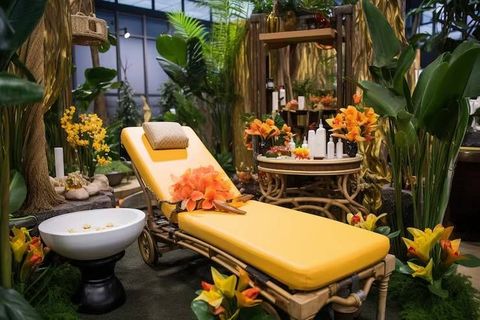
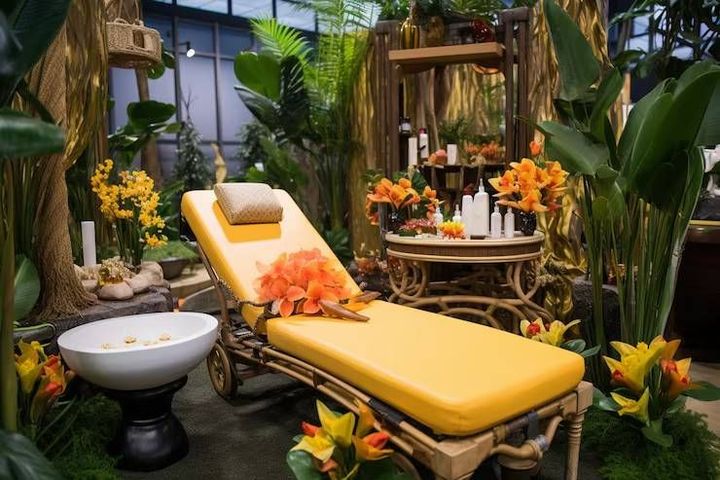
Tropical outdoor style: Weather-resistant wicker, green accents, and shaded seating suit garden and poolside environments.
Compact wellness style: Foldable furniture, narrow frames, and coordinated storage help manage limited floor space.
The chosen style should remain compatible with the room's flooring, lighting, ventilation, and cleaning requirements.
Laws or Policies
Spa relaxation lounger requirements depend on the country, the location of use, and whether the furniture is intended for a private residence or a commercial establishment. There is no single international rule that covers every lounger design, material, and installation.
Product Safety and Furniture Standards
Manufacturers and facility operators may need to consider applicable furniture safety standards, material requirements, structural stability, and fire safety provisions. Commercial environments can have additional obligations related to accessibility, workplace safety, sanitation, and building use.
Relevant considerations may include:
Structural stability: Frames, joints, reclining mechanisms, and supporting surfaces should be suitable for their intended load and use.
Material safety: Upholstery, coatings, adhesives, and other components may be subject to applicable chemical or material requirements.
Fire safety: Upholstered furniture may need to meet specific requirements in certain commercial or public settings.
Electrical safety: Powered loungers must be suitable for the installation environment and comply with relevant electrical requirements.
Accessibility: Public facilities may need to consider accessible routes, movement space, and the needs of people with disabilities.
For facilities in India, applicable Bureau of Indian Standards requirements, building rules, fire safety provisions, and local regulations may be relevant depending on the product and premises. Requirements vary by situation, so product documentation and applicable local guidance should be reviewed before installation.
Hygiene and Maintenance Practices
In shared spa environments, cleaning procedures are important because loungers may come into contact with skin, perspiration, oils, and cleaning products. Upholstery should tolerate the cleaning methods specified for its material, and removable covers should be handled according to their care instructions.
Facilities should establish appropriate cleaning schedules, inspect surfaces for damage, and address worn cushioning or unstable mechanisms. Cleaning products should not be used on materials unless they are compatible with the manufacturer's instructions.
Tools and Resources
Several practical resources can help people understand spa relaxation lounger designs and evaluate their suitability for different settings.
Measurement and Planning Tools
Room-planning applications allow users to map furniture dimensions and check walking clearances before arranging a space. A measuring tape and a simple floor plan can also help identify placement limitations.
A comparison worksheet can record important details such as frame material, lounger dimensions, reclining positions, maximum supported load, cushion type, cleaning requirements, and warranty conditions. Reviewing these details together makes comparisons more consistent.
Material and Design Resources
Material samples, upholstery specifications, furniture care manuals, and product dimension sheets help clarify differences that photographs may not show. Interior design catalogs can provide ideas for coordinating furniture with flooring, wall finishes, lighting, and accessories.
For outdoor loungers, technical documentation should explain weather resistance and recommended exposure conditions. The term "weather-resistant" does not necessarily mean that furniture can remain outdoors under every climate condition without maintenance.
Spa Lounger Comparison Table
The following table provides a simple framework for comparing common designs.
Design type | Comfort features | Suitable setting | Main consideration |
|---|---|---|---|
Contoured lounger | Curved reclining surface | Quiet relaxation rooms | Check body support and dimensions |
Adjustable lounger | Multiple backrest positions | Home and commercial interiors | Inspect locking stability |
Padded spa bed | Cushioned surface | Indoor wellness spaces | Assess cleaning and upholstery durability |
Wooden lounger | Natural frame and optional cushions | Covered spa and outdoor areas | Check moisture exposure |
Aluminum lounger | Lightweight construction | Poolside and terraces | Inspect finish and joints |
Electric lounger | Powered position adjustment | Suitable indoor relaxation spaces | Check electrical safety and maintenance |
This framework helps readers compare practical characteristics without assuming that one design will suit every user or location.
FAQs
What are the main types of spa relaxation lounger designs?
Common types include contoured loungers, adjustable reclining chairs, padded spa beds, wooden loungers, and outdoor models. Their suitability depends on available space, comfort preferences, maintenance needs, and the intended environment.
Which materials are suitable for spa relaxation loungers?
Teak, aluminum, stainless steel, synthetic wicker, high-density foam, and performance fabrics are commonly used. The appropriate combination depends on moisture exposure, cleaning routines, structural requirements, and whether the furniture is intended for indoor or outdoor use.
How can spa relaxation lounger designs improve room appearance?
Coordinating the frame finish, upholstery color, furniture shape, and lighting helps create a consistent interior. Natural finishes suit warm, calm environments, while simple metal frames and neutral upholstery complement contemporary spaces.
How should a spa relaxation lounger be maintained?
Maintenance generally involves regular cleaning, checking joints and reclining mechanisms, inspecting upholstery, and following material-specific care instructions. Outdoor furniture may require additional protection from prolonged moisture, direct sunlight, and changing temperatures.
What should be checked before selecting a spa lounger?
Consider dimensions, reclining positions, frame stability, cushioning, supported load, cleaning requirements, and accessibility. For commercial environments, relevant safety standards and the manufacturer's technical documentation should also be reviewed.
Conclusion
Spa relaxation lounger designs combine furniture construction, ergonomic considerations, material selection, and visual styling. Wood, metal, synthetic fibers, and padded upholstery provide different characteristics suited to indoor wellness rooms, homes, hotels, and outdoor relaxation areas. Recent design trends emphasize adaptable features, natural finishes, straightforward maintenance, and practical use of space. Understanding these factors provides a useful foundation for comparing lounger designs according to their intended setting and requirements.