Sydney Harbour Adventures Guide With Attractions, Cruises, and Travel Insights
Sydney Harbour is a major natural harbour in Australia and an important part of the city’s geography, history, transport network, tourism activity, and cultural identity. The harbour connects the central city with surrounding suburbs, islands, beaches, parks, and waterfront precincts, creating many opportunities for sightseeing and outdoor activities.
Sydney Harbour adventures can include sightseeing cruises, ferry journeys, walking routes, bridge views, kayaking, waterfront dining, island visits, cultural experiences, and visits to major landmarks. Because many attractions are located around the water, visitors can experience the harbour from both land and boat.
The harbour is also an active working waterway. Ferries, commercial vessels, recreational boats, yachts, cruise vessels, and other watercraft share its channels. This means travel planning involves more than simply choosing attractions; visitors should also understand transport schedules, weather conditions, event restrictions, and local safety rules.
Major Sydney Harbour Attractions
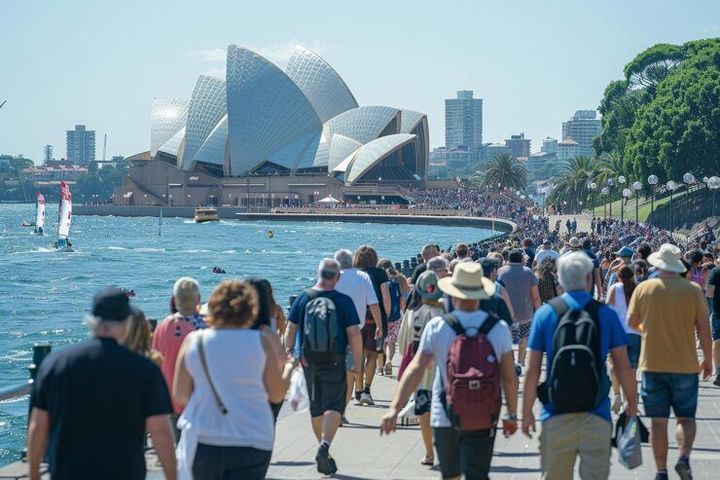
Several well-known landmarks are concentrated around the harbour. The Sydney Opera House and Sydney Harbour Bridge form the central visual landscape, while Circular Quay provides connections between ferries, trains, buses, walking routes, and nearby attractions.
Other places associated with Sydney Harbour include:
The Rocks and its historic streets
Royal Botanic Garden
Barangaroo Reserve
Darling Harbour
Taronga Zoo
Luna Park
Fort Denison
Watsons Bay
Manly
Cockatoo Island
Mrs Macquarie’s Point
Each location provides a different perspective. Some emphasize history and architecture, while others focus on gardens, wildlife, beaches, recreation, or waterfront scenery.
Harbour Cruises and Boat Experiences
Sydney Harbour cruises range from short sightseeing trips to longer dining and evening journeys. Sightseeing cruises generally focus on views of major landmarks, while other boat experiences may concentrate on wildlife, cultural interpretation, photography, or special events.
Ferries are another way to experience the harbour. Public ferry routes connect places such as Circular Quay, Manly, Taronga Zoo, and Watsons Bay, allowing transportation and sightseeing to become part of the same journey.
Cruise routes can change according to weather, operational conditions, events, and harbour restrictions. Visitors should check current departure information before planning activities around a particular sailing.
Importance
Sydney Harbour adventures matter because the harbour is both a destination and a transportation corridor. Visitors can combine sightseeing with ordinary public transport, walking, outdoor recreation, and cultural exploration.
The harbour also contributes to the wider tourism economy. Attractions, accommodation providers, restaurants, transport operators, museums, tour companies, and cultural organizations all participate in the visitor experience.
Experiences for Different Travelers
Sydney Harbour can accommodate a wide range of travel interests. Families may combine ferry travel with wildlife attractions, while couples or independent travelers may focus on walks, architecture, museums, beaches, or harbour cruises.
Visitors interested in outdoor activities can explore waterfront paths, kayaking areas, coastal viewpoints, and parks. People interested in history can explore The Rocks, harbour islands, museums, and historic structures.
The harbour can also be included in a short city itinerary because many attractions are relatively close to central transport connections.
Walking Around Sydney Harbour
Walking provides another way to understand the harbour. Routes around Circular Quay, The Rocks, Barangaroo, and the Royal Botanic Garden connect major viewpoints and public spaces.
Longer walks can extend toward areas such as Lavender Bay, Milsons Point, or the eastern harbour foreshore. Some paths involve stairs, slopes, uneven surfaces, or exposed sections, so walking conditions can vary.
Popular viewpoints can become busy during holidays, weekends, special events, and sunset periods. Allowing additional time for movement between attractions can make itinerary planning more practical.
Sydney Harbour Cruises
Cruises provide a different perspective from walking or road transport. From the water, visitors can see the relationship between the Opera House, Harbour Bridge, surrounding suburbs, islands, beaches, and waterfront parks.
Cruise types can generally be grouped into several categories:
Sightseeing cruises focused on landmarks
Harbour dining cruises centered on meals and views
Sunset and evening cruises
Cultural cruises featuring local history
Wildlife-focused journeys
Private or small-group boating experiences
The length, route, boarding location, accessibility arrangements, and inclusions vary between operators.
Recent Updates
Sydney Harbour tourism continues to develop through new visitor experiences, major public events, changing transport arrangements, waterfront development, and expanded cultural programming. The city’s tourism landscape includes established landmarks alongside newer waterfront precincts and seasonal events.
Waterfront Development
Areas around Barangaroo and other harbour precincts have continued to evolve, creating additional public spaces, walking areas, dining locations, cultural venues, and connections between different parts of the waterfront.
This development has expanded the ways visitors can combine harbour sightseeing with urban exploration. A harbour itinerary can therefore include architecture, gardens, restaurants, cultural venues, and public spaces within the same general area.
Major Harbour Events
Sydney Harbour regularly hosts major events involving boats, sailing, festivals, celebrations, and public gatherings. These events can change vessel movements and access arrangements temporarily.
During large events, some waterfront locations may become particularly busy, while certain roads, wharves, or water areas can have temporary restrictions. Checking event information is therefore part of current travel planning.
Digital Travel Planning
Digital maps, transport applications, online attraction calendars, and mobile ticketing have become increasingly important for Sydney travel. Visitors can use these tools to coordinate ferry journeys, walking routes, attraction opening hours, and event schedules.
Digital planning is particularly useful when combining several harbour locations because ferry departure times and walking distances can affect the order of activities.
Sustainable Travel
Public transport and walking provide ways to explore parts of Sydney Harbour without relying entirely on private vehicles. Ferries are particularly relevant because they connect several waterfront destinations while providing views of the harbour during the journey.
Sustainable tourism discussions also increasingly include responsible behavior around marine environments, wildlife, waste, public spaces, and culturally significant locations.
Laws or Policies
Sydney Harbour is governed by Australian and New South Wales rules covering navigation, public transport, marine safety, environmental protection, events, and access to specific areas. Requirements can vary according to the activity and type of vessel.
Harbour Navigation
Sydney Harbour is a busy waterway containing commercial shipping channels and ferry routes. Recreational vessels need to follow applicable navigation and safety requirements, maintain awareness of surrounding traffic, and use appropriate safety equipment.
Special restrictions can apply around major ships, ferry routes, bridge areas, naval locations, seaplane operations, and temporary events. Visitors participating in boating activities should check current local requirements before entering the water.
Waterway Restrictions
Certain activities and watercraft are restricted in parts of Sydney Harbour. Temporary exclusion zones can also be established for sporting events, festivals, maritime operations, or other activities.
These restrictions can change the movement of recreational vessels and may affect access to specific waterfront locations. Current signs, marine notices, and official navigation information should be considered when planning an independent boating activity.
Visitor Conduct
Visitors are expected to follow public-space rules and respect cultural, environmental, and heritage locations. Some sites may have specific rules concerning photography, access, swimming, wildlife interaction, or behavior.
Walking routes, parks, beaches, museums, and heritage areas can each have separate operating requirements. Visitors should follow signs and instructions at individual locations.
Tools and Resources
Sydney Harbour travel planning can involve several digital and practical resources. Mapping applications can help visitors identify walking distances, ferry wharves, attraction locations, and connections between different parts of the city.
Public transport planners can be used to coordinate ferries, trains, buses, and walking sections. Weather applications can also be useful because wind, rain, heat, and visibility can influence outdoor and boating activities.
Useful travel-planning resources include:
Digital maps
Public transport planners
Ferry timetable applications
Weather applications
Walking-route planners
Attraction calendars
Museum schedules
Event calendars
Packing checklists
Travel itinerary templates
Currency calculators
Accessibility information
A simple comparison of common Sydney Harbour experiences is shown below:
| Experience | Main Focus | Typical Planning Consideration |
|---|---|---|
| Harbour Cruise | Landmarks and water views | Departure time |
| Ferry Journey | Transport and sightseeing | Route and timetable |
| Harbour Bridge Visit | Architecture and views | Weather and access |
| Opera House Visit | Architecture and culture | Session or tour schedule |
| The Rocks | History and urban exploration | Walking time |
| Royal Botanic Garden | Gardens and waterfront views | Weather and walking |
| Taronga Zoo | Wildlife and harbour scenery | Ferry connection |
| Manly Visit | Beach and coastal atmosphere | Ferry schedule |
| Harbour Walk | Outdoor sightseeing | Distance and terrain |
Travelers can also divide the harbour into sections when building an itinerary. Circular Quay, The Rocks, and the Opera House can form one walking area, while Manly, Watsons Bay, and Taronga Zoo can be approached through ferry connections.
FAQs
What are the main Sydney Harbour attractions?
Major attractions include the Sydney Opera House, Sydney Harbour Bridge, The Rocks, Royal Botanic Garden, Barangaroo Reserve, Taronga Zoo, Darling Harbour, Luna Park, Watsons Bay, and several harbour islands and waterfront precincts.
What types of Sydney Harbour cruises are available?
Sydney Harbour cruises can include sightseeing, dining, sunset, cultural, wildlife, and private boating experiences. Routes, schedules, boarding points, and durations vary according to the operator and conditions.
Can visitors explore Sydney Harbour by ferry?
Yes. Ferry routes connect several harbour destinations and can form part of a sightseeing itinerary. Circular Quay is a major transport point for journeys toward destinations such as Manly, Taronga Zoo, and Watsons Bay.
What should visitors know about Sydney Harbour boating rules?
Sydney Harbour is a busy waterway with navigation channels, ferry traffic, commercial vessels, and temporary event restrictions. People operating boats need to follow applicable marine safety requirements and pay attention to current navigation information.
When is Sydney Harbour suitable for sightseeing?
Sydney Harbour can be explored throughout the year, although weather, daylight hours, seasonal conditions, and major events can affect individual activities. Outdoor walks and cruises may require different planning depending on conditions.
Conclusion
Sydney Harbour adventures combine landmarks, cruises, ferry journeys, walking routes, cultural attractions, parks, beaches, and waterfront experiences. The harbour can be explored from both land and water, making it possible to create itineraries around different interests and activity levels. Recent developments in waterfront areas, digital travel planning, public events, and sustainable travel have continued to shape the visitor experience. Marine safety rules, temporary restrictions, weather conditions, and transport schedules remain important considerations when planning harbour activities.